
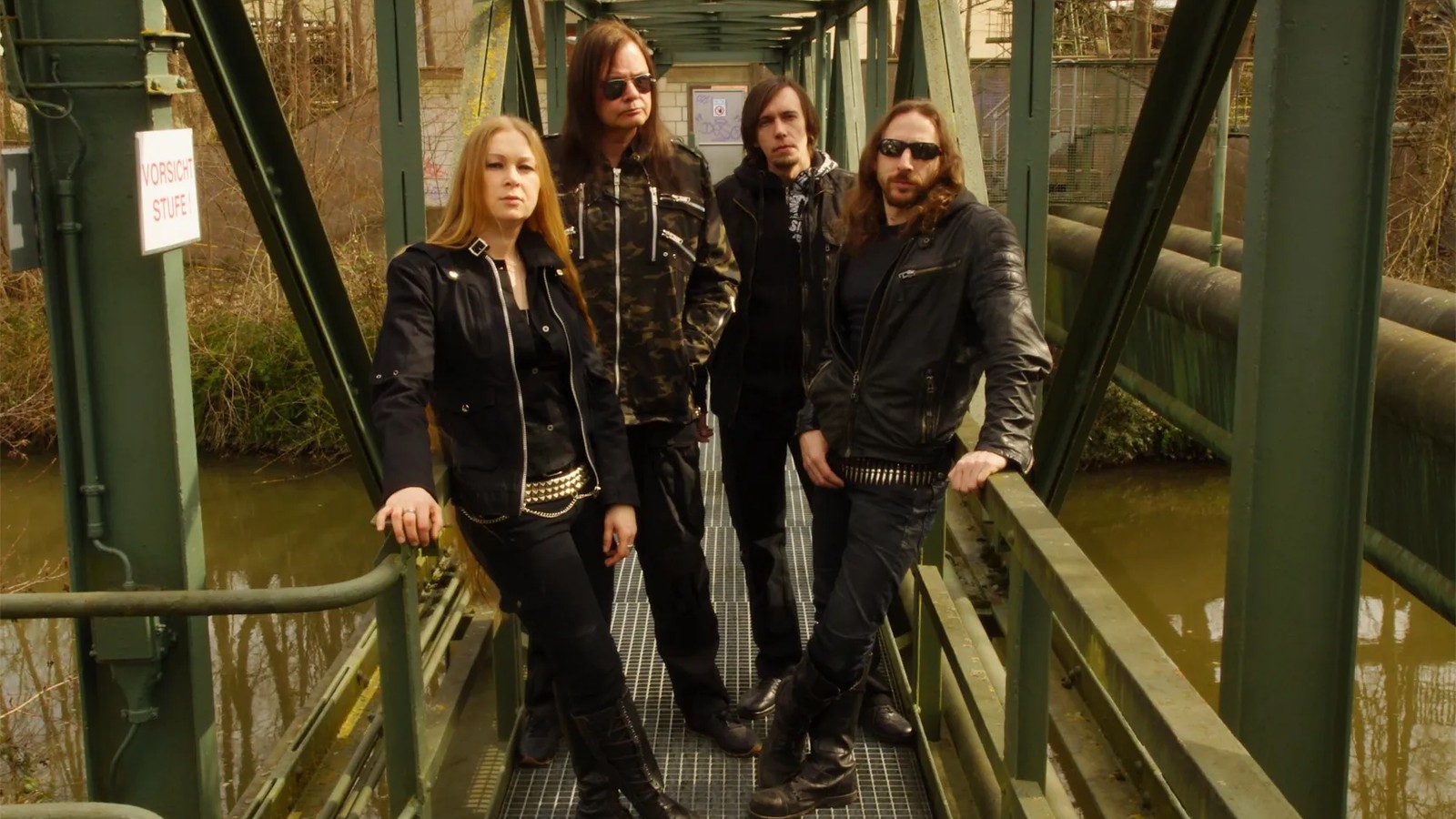
On 27 August 2025, reporting the death of the man who had founded the German band in 1991, Consequence wrote that Bethlehem is credited with "pioneering the DSBM (Depressive Suicidal Black Metal) genre", while describing in the same sentence records of the 1990s that combined black metal with doom metal. We think the second half of that sentence is the accurate one and the first half is a label applied backwards. Depressive suicidal black metal is the name of a scene that grew up in the wake of those records, and Jürgen Bartsch himself, in a 2017 interview the same obituary quoted, said his band had nothing in common with that scene while agreeing, with a laugh, that Bethlehem were its godfathers. The music on those early records has an older and plainer name.
Black doom metal, also written blackened doom, is the fusion that sentence describes: the slow tempos, the weight and the bass-heavy sound of doom, carrying the shriek, the thin cold guitar and the ideology of black metal. It is not drone doom metal, where the riff is held until tempo disappears altogether, and it is not death-doom, where the voice comes up from the chest and the riffs come from death metal. It is slow music that keeps the frost on it. Our argument is that the black half of the style is the surface and the doom half is the load, and that a record belongs to the genre only when the one has to carry the other.
Black metal supplies the surface and doom supplies the load. A record is black doom only when the surface is made to carry the load.
What black doom takes from each side
From black metal the style takes almost everything that can be heard on the surface of a recording: the shrieked vocal torn from the top of the throat, the guitar tone kept thin and heavily distorted so that a sustained chord spreads like frost across a windowpane rather than rising like a wall, the raw recording, and the Satanic ideology. From doom it takes what is felt before it is heard: tempos at walking pace or below, riffs left to ring out before the next one is allowed in, a bass guitar given real weight, the moodier ground of depression, nihilism and death, and the long form in which a song of nine or eleven minutes is a normal length rather than an event. Remove the shriek, and what is left is a dirge with nothing on top of it.
| Element | From black metal | From doom metal |
|---|---|---|
| Voice | Shrieked, high in the throat | Nothing: the voice stays black |
| Guitar | Heavily distorted tone | Slow riffs left to ring |
| Rhythm | Fast passages used as contrast | Walking pace or slower |
| Production | Raw, lo-fi recording | Heavy bass, songs of eight to fourteen minutes |
| Subject | Satan and the Satanic ideology | Depression, nihilism, death |
The two halves were in the same room almost from the start of the second wave. Formed in Sweden in 1991 as a two-piece studio project by Jonas Renkse and Anders Nyström, and working in a black and doom aesthetic close to that of Celtic Frost, the duo that would later become one of the best known melancholic bands in metal, Katatonia, recorded Dance of December Souls at Unisound Studios between 4 and 9 April 1993 and released it on No Fashion Records on 14 December that year, with two tracks, "Velvet Thorns (of Drynwhyl)" and "Tomb of Insomnia", running past thirteen minutes each. Where those roots fit in the older story of slow, heavy music is told in the KaosMetal history of doom metal.
Bethlehem and the name dark metal
Formed in 1991 in North Rhine-Westphalia by the bassist Jürgen Bartsch, the guitarist Klaus Matton and the singer Andreas Classen, the trio that gave a genre its name by printing it across the front of a debut record, Bethlehem, released the single "Thy Pale Dominion" on Nightmare Records in 1993 and then Dark Metal on the French label Adipocere Records in 1994: ten tracks, all but "Gepriesen sei der Untergang" sung in English, the longest of them the eleven minutes of "Apocalyptic Dance". The term dark metal is usually traced to that title. Katatonia had used it first, in promotional material that described the Swedish duo's music as "sorrowfilled and harmonous Northern Dark Metal", but it was the German band that turned a phrase into a shelf, and for most of the decade that shelf is where black doom was kept.
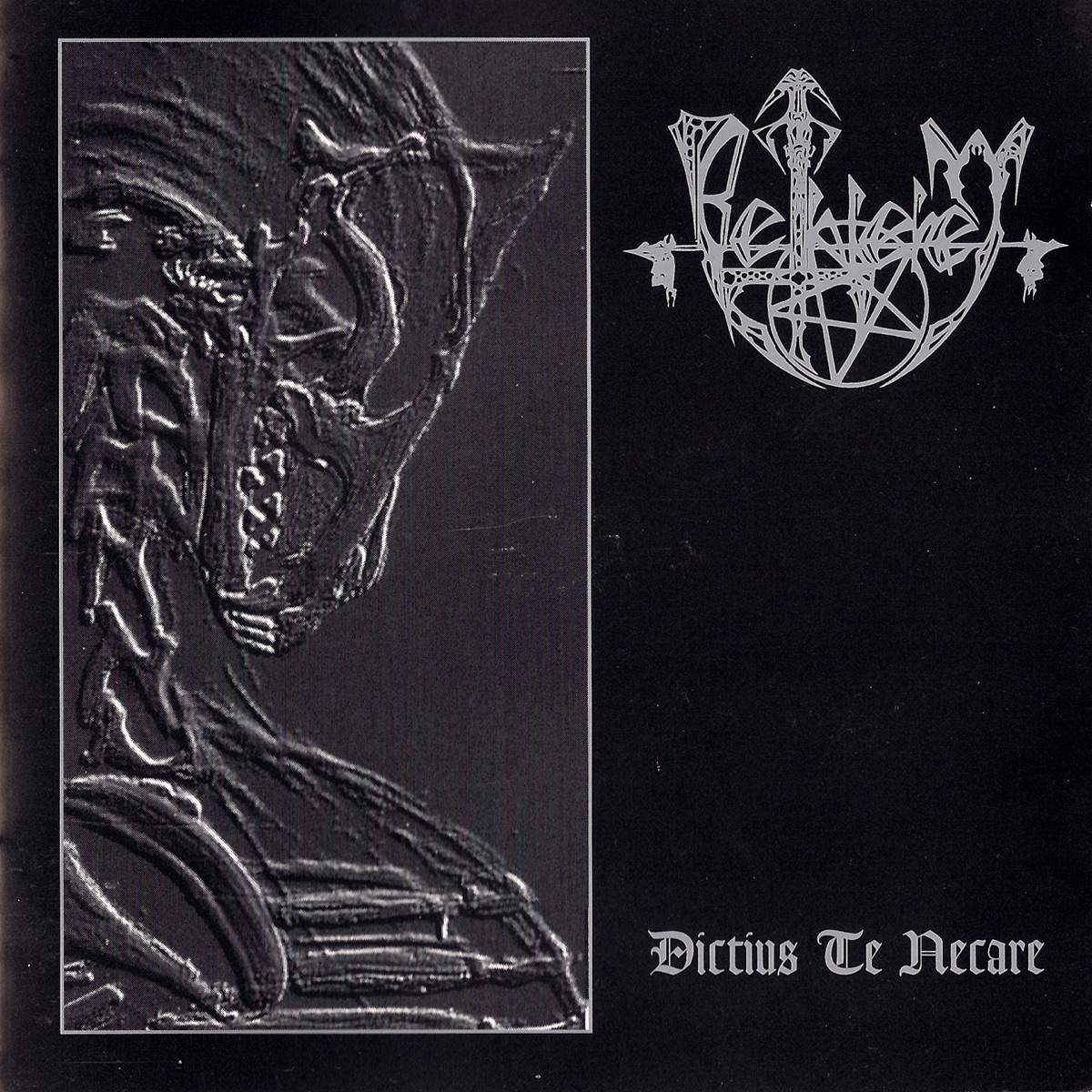
Classen left after the debut, and for the second album Bartsch brought in Rainer Landfermann, singer of the death metal band Pavor. Released by Red Stream in April 1996 with Chris Steinhoff on drums, Dictius te necare runs to seven tracks and about forty-four minutes, sung in German: "Die anarchische Befreiung der Augenzeugenreligion" is the longest piece at a little over nine minutes, and "Dorn meiner Allmacht" closes the record at more than eight. Reviewing it for Doom-Metal.com, Kostas Panagiotou found the sound as very heavy and dry as on the debut, heard the tempo pushed up to fit the screaming, and called Landfermann's performance "one of the sickest and most extreme voices you'll ever hear from a human being".
That record is the clearest picture of what the genre is, and we can only describe it as a frozen lake seen from the shore in the depth of winter. From the bank the surface looks like black metal and nothing else, white and hard, the wind scouring rime across it, a shriek carried over the flat of it from somewhere far out, every sign that the cold has settled and nothing heavy moves beneath. Then the first slow riff sets its full weight down on that surface, and the ice groans, a long low sound that runs out under the whole lake and returns from the far shore, and the listener understands that the frost was only ever a lid laid over a leaden depth of dark water, the doom underneath holding the black above for exactly as long as the tempo stays slow enough not to break through. Dictius te necare is built on that groan.
The third album, S.U.I.Z.I.D., came out on Red Stream in 1998 with Marco Kehren singing. After the move to Prophecy Productions in 1999, Schatten aus der Alexander Welt in 2001, Mein Weg in 2004 and Hexakosioihexekontahexaphobia in 2014, all sung by Guido Meyer de Voltaire and mostly in a deep clean voice, formed what Bartsch called a trilogy and the band's second phase, and in a 2017 interview with metal.de he said that the clean singing had spoiled some of its songs. In May 2015 he announced on the band's Facebook page, as Decibel reported on 19 May, that Bethlehem was done "for the moment or forever".
It was for the moment. For its twenty-fifth anniversary Prophecy released the self-titled Bethlehem on 2 December 2016, with Yvonne Wilczynska, known as Onielar and the singer of the German black metal band Darkened Nocturn Slaughtercult, on vocals, and Bartsch called it the start of a third phase. Critics heard a return to the early records, a back to the roots effect in the words of metal.de that Bartsch himself played down, and Chris Dick, who gave the album nine out of ten in Decibel on 3 January 2017, found songs straight out of mid-1990s European black metal and called "Gängel Gängel Gang", with Onielar's snarls on top and Bartsch's bass underneath, a funeral march. Lebe dich leer followed on 17 May 2019 and reached number 49 on the German albums chart.
Jürgen Bartsch, who founded Bethlehem and was its only constant member, died on 27 August 2025. Wilczynska announced his death on Instagram and wrote that it came after a serious illness, and Consequence reported it the same day.
After Bethlehem: Forgotten Tomb, Nortt and Monotheist

Started in Italy in 1999 by Ferdinando Marchisio, who records as Herr Morbid, the project that carried the German template into the next decade, Forgotten Tomb, released Songs to Leave on Selbstmord Services in 2002 and Springtime Depression on Adipocere, the label of Dark Metal, in 2003. AllMusic files it as a black metal outfit that flirts with doom and goth. In 2007 Bartsch announced Marchisio as a guitarist for Bethlehem, which is as close to a formal line of succession as this music has.
In Denmark the solitary musician who records as Nortt, and has never given the public his name, began in 1995 and calls what he plays "pure depressive black funeral doom metal", keeping the corpse paint and the lyrics of black metal and dragging the doom half to the pace of a burial. Ligfærd came out on cassette through Possession Productions in November 2005 and on CD through the Swedish label Total Holocaust Records in January 2006, and Galgenfrist followed on the Italian label Avantgarde Music in February 2008.
The elders came back to the same ground. Released by Century Media on 29 May 2006 and produced by the band with Peter Tägtgren, Celtic Frost's reunion album Monotheist is filed under black metal and doom metal at once and closes on a triptych whose centre, "Synagoga Satanae", runs for fourteen minutes and twenty-four seconds.
Where black doom stops
The style has three borders, and each is crossed by changing a single element. Raise the tempo and let the riff dissolve into tremolo while the lyrics stay on depression and death, and the music becomes the depressive black metal that Consequence named in its obituary, which shares the subject and not the weight. Replace the shriek with a growl from the chest and take the riffs from death metal, and it crosses into death-doom. Slow it further, until tempo is abolished and the chord is only held, and it becomes drone. We draw the line where the surface and the load stop needing each other: black doom exists only while a black metal voice and a black metal chill sit on top of riffs heavy enough to strain them.
Heard at its best, the style behaves like a funeral pyre built in hard frost, the flames climbing high and thin and crackling in the white cold while the stacked timber at its heart collapses slowly, log onto log, under its own weight, so that the fire shrieks at the top and burns for hours at the bottom. The shriek is the flame. The riff is the timber.
The bands that kept that fire going, from the German trio of 1991 to the projects of the last decade, are gathered in the Black Doom Metal Bands. The name on the label changed more than once. The music did not.
