
In the summer of 1996 three men from Wimborne took their amplifiers into Red Dog Studios in Bournemouth and, in the account The Quietus gave of the session in December 2013, pushed a lot of expensive vintage equipment to its limits, while the tape was paid for by Rise Above Records, the label Lee Dorrian had started in 1988 on the Enterprise Allowance Scheme, a government grant that paid unemployed people to go into business for themselves. Jus Oborn on guitar and voice, Tim Bagshaw on bass and Mark Greening on drums produced the album with Rolf Startin and Mike Hurst, and six songs left that room. Rise Above released Come My Fanatics... in January 1997. Kerrang! called it one of the most punishingly heavy albums in recent memory that same month, The Guardian wrote in 2015 that it made everything around it sound anaemic and pedestrian, and on our reading it is the heaviest record the nineties produced.
Formed out of the teenage band Oborn had led since the late eighties under the names Lord of Putrefaction, Thy Grief Eternal and Eternal, the Dorset trio that called itself Electric Wizard in 1993, after the Black Sabbath songs "Electric Funeral" and "The Wizard", had already made one album for Dorrian, a self-titled debut recorded at Rhythm Studios in May 1995 and issued by Rise Above that year, on which "Mountains of Mars" and "Behemoth" still walked the old road of traditional doom. We count the band among the bands that matter because of what that second album did to the floor it stood on.
Haha…you have to believe in death and oblivion, you need ridiculously loud amps and DRUGS…of course…
Jus Oborn, asked how "Return Trip" was made, It's Psychedelic Baby Magazine, 1 March 2013
A jar under the hearthstone
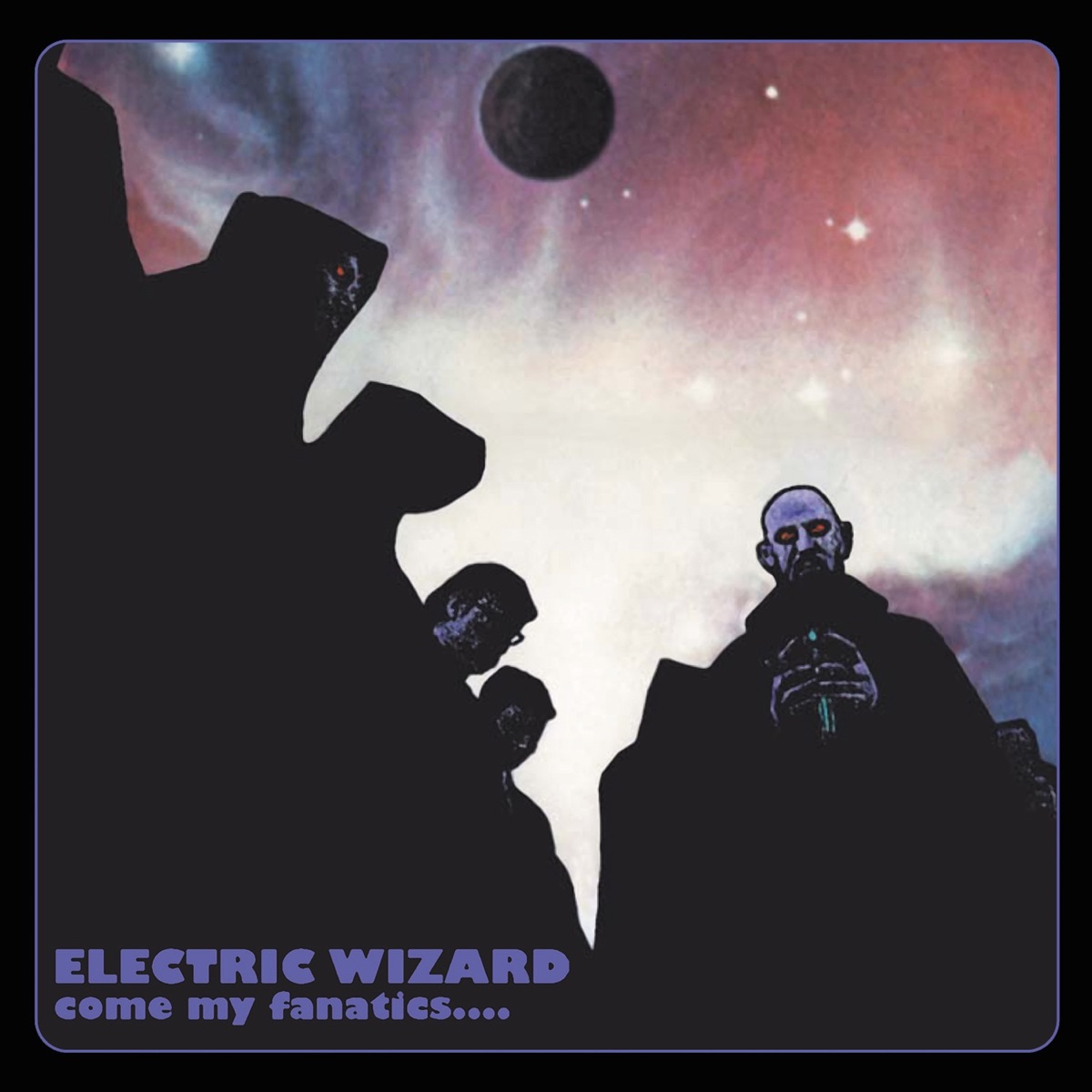
Opening on the ten minutes of "Return Trip" and closing on three songs, "Ivixor B / Phase Inducer", "Son of Nothing" and "Solarian 13", that tell of leaving an Earth ruined beyond saving, the second album by the trio from Wimborne took the leaden blues riff of 1970, drowned it in a fuzz so thick that bass and guitar stop being separate instruments and become one weight dragged across the floor, and flattened the frilled and candlelit British doom that had grown up in the years before it. AllMusic called the result absolutely colossal. Dorrian, who had released much of the generation before it, told The Quietus in December 2013 that it was the turning point of everything. Oborn himself, speaking to the same magazine in January 2017, called it a very technically inept album and exactly the sound the band had been trying to create. Both things are true.
Builders taking up the floor of an old house in the south of England sometimes find a witch bottle under the hearthstone, a stoneware jar packed with bent pins, iron nails and hair, sealed three centuries ago to turn a curse back on whoever sent it, and what unsettles them is not its age but the fact that the stopper is still in and the jar is still, by the logic of the people who buried it, doing its work. Come My Fanatics... is that jar. Fourteen years after its release it entered the Finnish albums chart, at twenty-eighth place in 2011, and in a piece Malcolm Dome wrote for Louder that August, Oborn named it the first part of what he called the trilogy of terror, completed by the Supercoven EP on Bad Acid in 1998 and by Dopethrone in 2000. A witch bottle is not judged by its age. It is judged by whether the curse still turns back.
Arrests, a broken arm and the long silence
The three years after the album brought two EPs and no new full-length record. Oborn cut off a fingertip while laying a carpet and suffered a collapsed eardrum at a concert, and Greening broke an arm. Speaking to Kerrang! in July 2009, Oborn described the arrests of the period: his own for setting fire to a car outside a police station, and Bagshaw's after he fell through a church window trying to take a crucifix off the roof for the stage, which ended in community service. Oborn told the magazine plainly that they had not been very nice people. The history of the genre as a whole, told in the parent article, has few bands that made their best work in a worse state.
A witch bottle is not judged by its age. It is judged by whether the curse still turns back.
Entering Chuckalumba Studios in May 2000 with only "Dopethrone", "Funeralopolis" and "We Hate You" written, the Dorset trio made its third album in a state Oborn later said he could barely remember, recalling to It's Psychedelic Baby Magazine in March 2013 only that he held a baseball bat behind the producer's head in case the guitars were not turned up, and that the band's single goal was to be the heaviest band in the world. The title began as a joke, when Bagshaw said the band was black metal and Oborn answered that it was more like Dopethrone, after Darkthrone. Rise Above then released Let Us Prey on 25 March 2002, a record AllMusic described as unusually efficiently recorded, with Greening on piano as well as drums and Paul Sax adding violin to "Night of the Shape". A North American tour broke the trio apart. A British tour with Cathedral followed with Justin Greaves of Iron Monkey on drums, and in April 2003 Greening and Bagshaw left and went on to form Ramesses. Oborn said in the 2013 interview that after the first line-up split he numbed himself with drugs, satanism and horror films.
Liz Buckingham, the second author
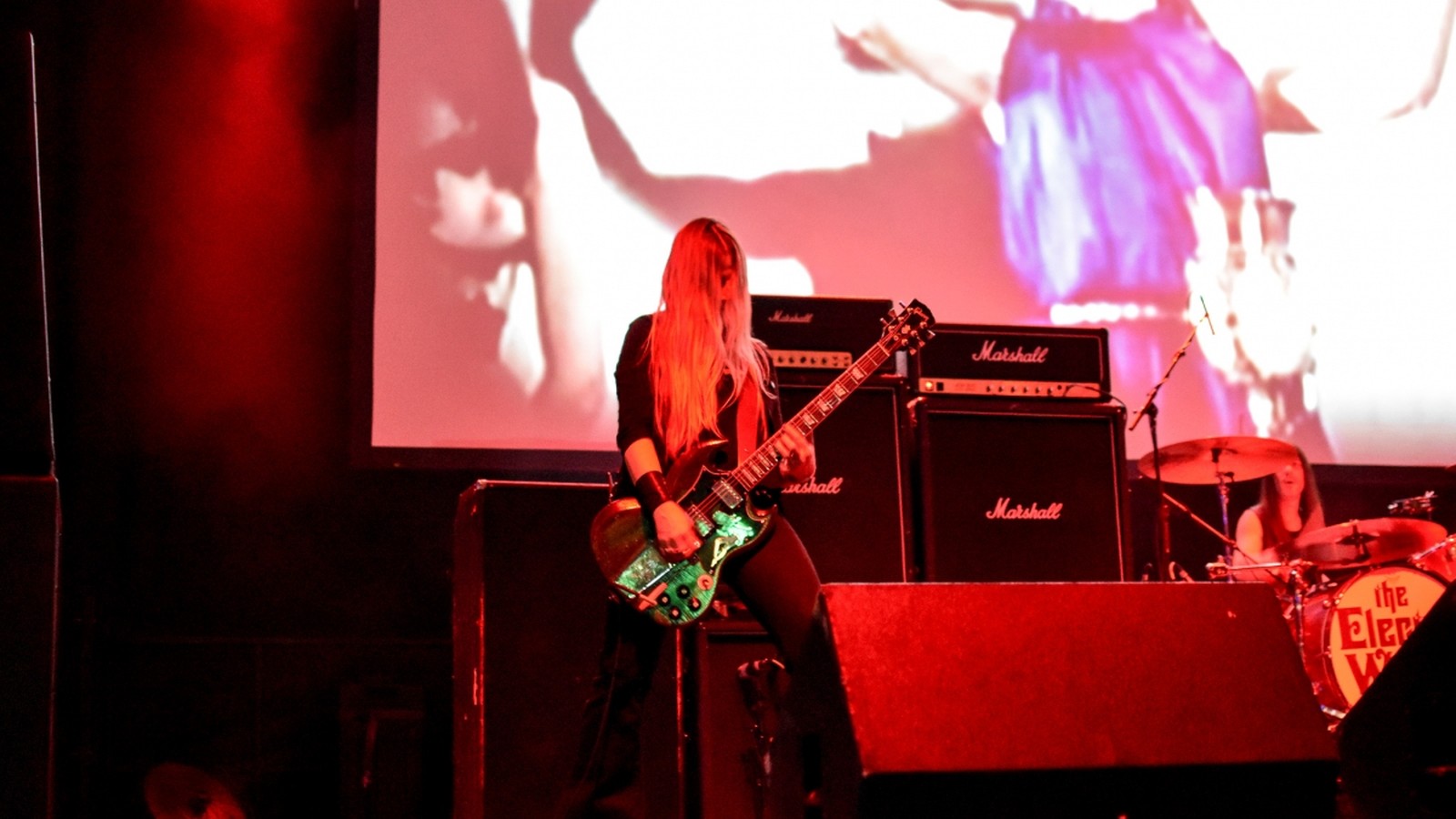
Recruited from the band 13 and from the North Carolina sludge band Sourvein, the guitarist Liz Buckingham was named in August 2003 as a member of the new Electric Wizard, beside Greaves on drums and Rob Al-Issa on bass, and she had rehearsed with the band for only days when the recording of We Live began in 2003; that August Rise Above was already announcing the album as the first release of the new line-up. Oborn explained the choice to Prefix Magazine: Bagshaw had been his writing partner, and when Buckingham arrived they were writing partners again, with the same downstroke pattern in both their right hands. Two guitarists writing as equals, rather than a leader and a hired player, is common enough among the Modern Doom Metal Bands; in this band it began in that rehearsal room.
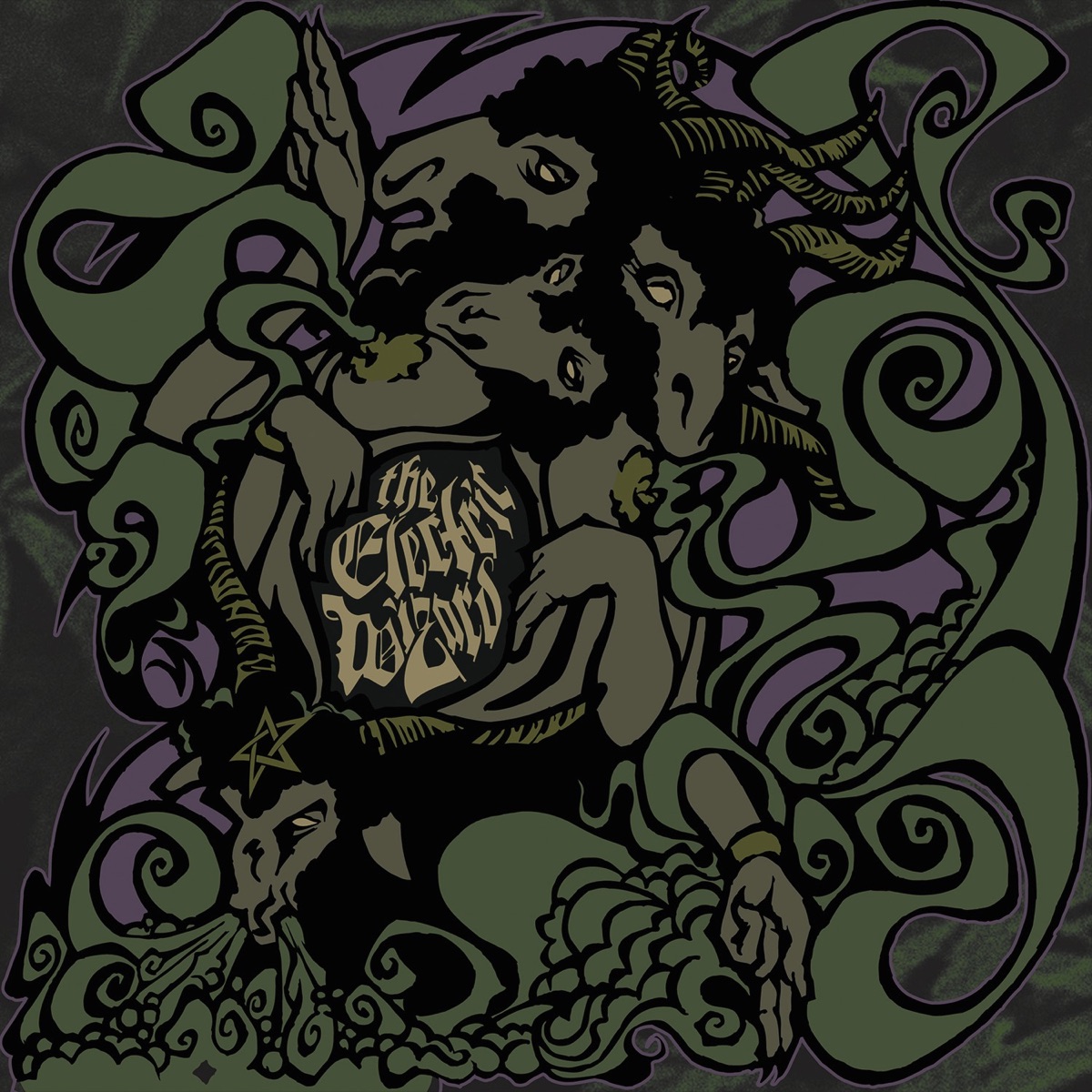
Released by Rise Above in Britain on 14 June 2004 with "Eko Eko Azarak" at its head and the fifteen minutes of "Saturn's Children" at its end, We Live was the first Electric Wizard record with two guitars in the line-up, and the albums that followed show what the second one brought. On Witchcult Today, recorded with Liam Watson at Toe Rag Studios and released on 20 November 2007, Buckingham plays guitar and Hammond organ, and "The Chosen Few" and "Torquemada '71" roll forward like a funeral cortege that has found a better road and sees no reason to hurry. Black Masses followed on 1 November 2010, again from Toe Rag, with "Satyr IX" its longest song. Buckingham described her role to The Quietus in October 2014 as partner in crime and guardian of the original vision, and said she and Oborn still wrote together as they had for ten years.
| Years | Guitars and vocals | Bass | Drums | Studio records |
|---|---|---|---|---|
| 1993–2003 | Jus Oborn | Tim Bagshaw | Mark Greening | Electric Wizard to Let Us Prey |
| 2003–2006 | Jus Oborn, Liz Buckingham | Rob Al-Issa | Justin Greaves | We Live |
| 2006–2008 | Jus Oborn, Liz Buckingham | Rob Al-Issa | Shaun Rutter | Witchcult Today |
| 2008–2012 | Jus Oborn, Liz Buckingham | Tas Danazoglou | Shaun Rutter | Black Masses |
| 2012–2014 | Jus Oborn, Liz Buckingham | Glenn Charman | Mark Greening | Time to Die, with Oborn on bass |
| 2014–2018 | Jus Oborn, Liz Buckingham | Clayton Burgess | Simon Poole | Wizard Bloody Wizard |
| 2018–present | Jus Oborn, Liz Buckingham | Haz Wheaton | Simon Poole | none yet |
The label, the drummer and Time to Die
Greening came back in 2012, and Oborn told It's Psychedelic Baby Magazine in March 2013 that the two of them had a total chemistry and that Buckingham was his evil twin. The relationship with Rise Above was going the other way. In The Quietus on 27 December 2013, Oborn was reported as saying that the label was trying to stop the band releasing its new record and even using its name; Dorrian called that complete nonsense and said the band was still under agreement with the label and no longer wanted to be. The outcome was a new home: Time to Die came out on 29 September 2014 on the band's own Witchfinder Records through Spinefarm, while the albums from the debut to Black Masses stayed with Rise Above, whose own shop sells the debut, Witchcult Today and Black Masses. Greening left the band for the second time in June 2014, three months before the release. A year later, as MetalSucks reported on 11 June 2015 and Metal Insider and Metal Injection repeated over the next two days, Greening said that Oborn and Buckingham still owed him money for his drumming on the record, lawyers became involved, and Spinefarm's legal counsel told him the album had been taken down in all major markets; that week it could not be bought or streamed.
Produced by Oborn and mixed by Chris Fielding, the eighth album was made, Buckingham told The Quietus, at the end of a year she called legal torture, and death became its subject because the band's state of mind left no other. "Funeral of Your Mind", which she described as a classic song for two guitars with Detroit behind it, sits among "I Am Nothing" and "Lucifer's Slaves", which Dom Lawson of The Guardian heard as bleak and lumbering, songs that do not so much end as sink, tolling on after the riff has plainly finished, until the silence behind them has the weight of a room bricked shut. It entered the UK Albums Chart at seventy-sixth place, and Lawson found an immense hypnotic power in it.
Satyr IX and the wait for a tenth record
Released by Spinefarm and Witchfinder on 17 November 2017, Wizard Bloody Wizard is the shortest of the band's studio albums, six songs in forty-three minutes from "See You in Hell" and "Necromania" to the eleven-minute dirge of "Mourning of the Magicians". Clayton Burgess stepped away in 2018, after about four years in the band, to concentrate on Satan's Satyrs, and Haz Wheaton came from Hawkwind to take the bass beside Simon Poole on drums. Dan Franklin's biography Come My Fanatics: A Journey into the World of Electric Wizard was published on 22 June 2023, and on 13 December 2024 Spinefarm released the live album Black Magic Rituals & Perversions Vol. 1, eight songs from "Dopethrone" to "Funeralopolis" recorded straight to tape during the 2020 lockdown with no audience in the room. That month Oborn told It's Psychedelic Baby Magazine that a new album was coming the following year, that he could not see the band making more than one more, and that they were making sure it was heavy. At the end of May 2026 it had not been released.
What we hold, then, is nine studio albums, one founder and a guitarist who has now written beside him for more than twice as long as the original trio lasted. Other bands in the slow and black-clad corner of the genre raise harder questions of classification, which is why is Type O Negative Doom Metal is a question with an article of its own, while the Dorset band answers with its records. Ours comes from the first of them to matter. The jar under the hearthstone was sealed in a Bournemouth studio in the summer of 1996, and nothing that has happened to the band since, the arrests, the legal fights, the changes of drummer and of label, has pulled the stopper out.
