
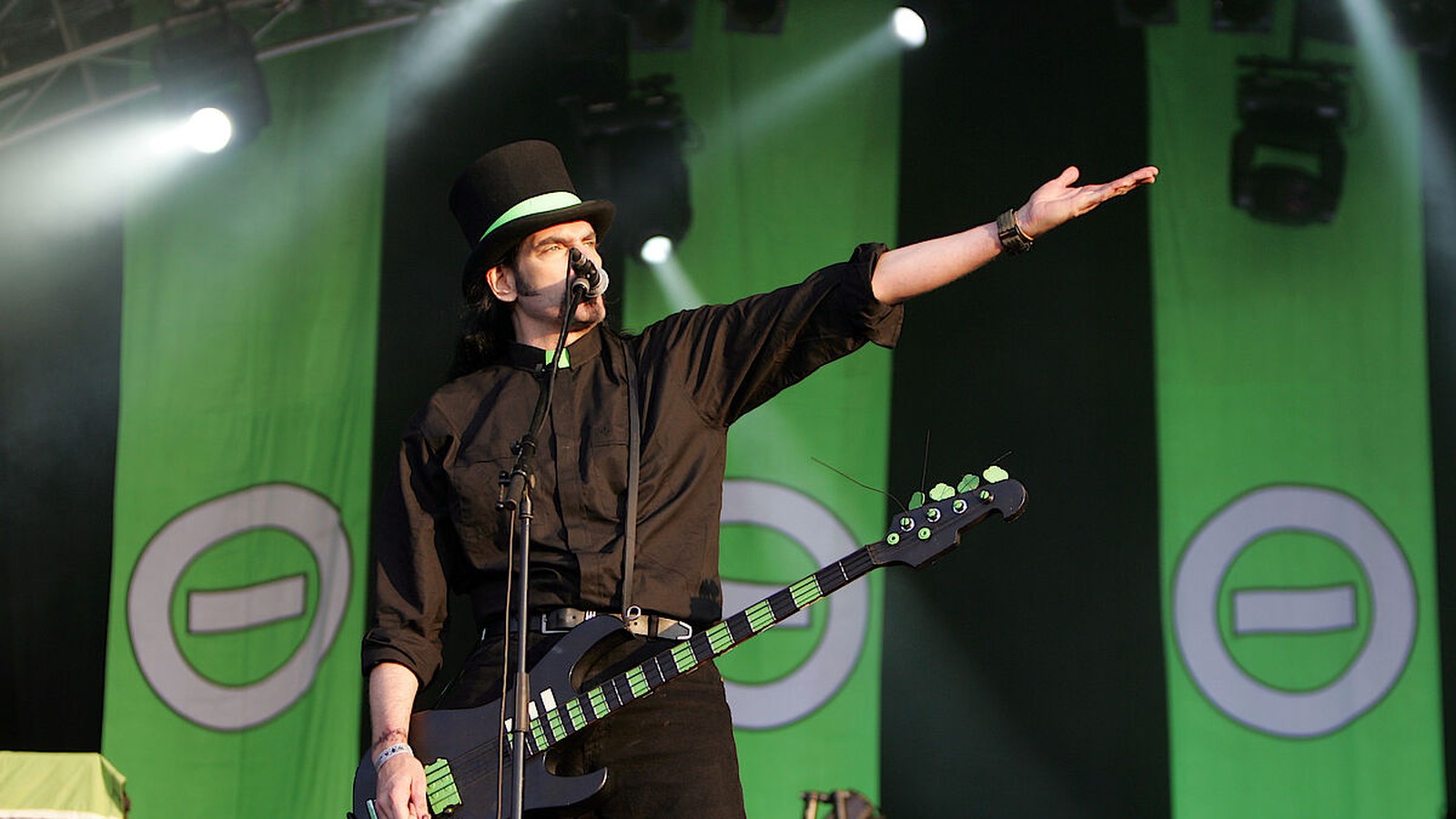
Is Type O Negative doom metal? On two of its seven studio albums, yes, without qualification. On three more, in the long songs and not in the short ones. On the remaining two, where the pop song took the wheel, no. Formed in Brooklyn in 1989 and nicknamed the Drab Four in a nod to the Beatles, the quartet of Peter Steele, Kenny Hickey, Josh Silver and Sal Abruscato, Type O Negative, is usually filed as gothic metal first and doom metal second, an order that is right for the catalogue taken whole and wrong for the two records that decide the question.
The test is the one we apply across doom: whether the slow, downtuned riff carries the song or only decorates it. Where it carries, the song is doom, whatever the keyboards and the baritone lay over the top. Where it decorates, the song is something else, and with this band the something else was goth rock one year, Beatles pop the next and New York hardcore in between. When we set out the bands that matter in doom, Type O Negative was held back for a page of its own, and a band that put an eleven minute dirge and a forty-one second noise piece on one album can only be answered song by song.
Picture a pumpkin left on a porch into November. Carved for one night at the end of October and never taken in, it has spent three weeks going soft from the inside, the sugar in the flesh turning, the grinning face slumping towards the step a fraction further each morning, and it is still, by a distance, the brightest thing on the street. That is this band's relation to doom. The collapse is real, a slow subsiding at the pace of a dirge, but the thing collapsing is sweet, orange in a grey month and a little absurd, and the sweetness is exactly what the purists hold against it.
To swell the gourd, and plump the hazel shells
John Keats, To Autumn
With a sweet kernel; to set budding more,
And still more, later flowers for the bees
Before the gothic: a hardcore band that learned to wait
The descent begins in thrash. Formed in 1982 with Steele on bass and lead vocals, signed to Roadrunner for Carnivore in 1985 and Retaliation in 1987 and broken up the same year, the band he fronted first, Carnivore, played what AllMusic's Greg Prato called much more straight-ahead thrash metal than the goth band that followed it.
Recorded at Systems Two in Brooklyn between December 1989 and January 1990 on six thousand dollars lent to Silver by his parents, and released by Roadrunner on 11 June 1991, Slow, Deep and Hard runs seven songs across fifty-eight minutes and keeps the promise of its title about half the time. Steve Huey of AllMusic heard long songs built on simple riffs, theatrical shouting vocals, churchy organ and the odd mechanical noise; J. Bennett of Decibel remembered it as a dense power-dirge cacophony; and Revolver heard a noisy, angry record, far from the hooky choruses that followed, whose sarcasm had more in common with Carnivore than with anything the band made later. Across "Unsuccessfully Coping With the Natural Beauty of Infidelity" and "Prelude to Agony", both past twelve minutes, the slow riff is poured out like road tar and then broken up with a pick by the shouting and the noise, until neither side owns the song. Half doom. The other half is still the sarcasm of Carnivore.
Bloody Kisses and October Rust: the sugar goes in
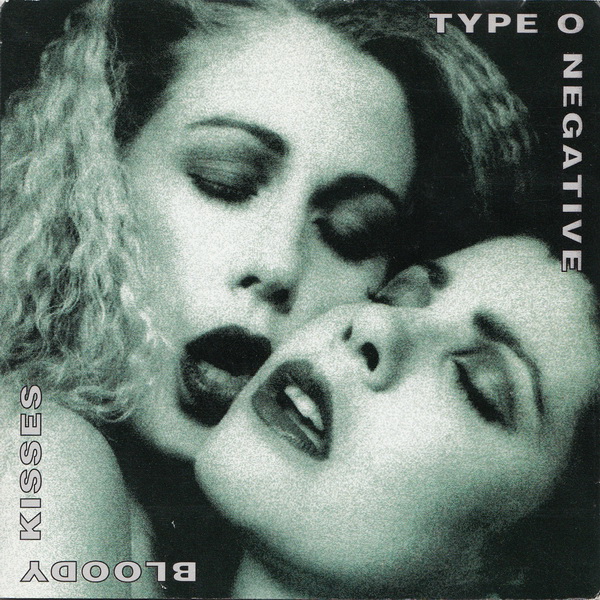
Recorded at Systems Two in February and March 1993, produced by Steele and Silver and released by Roadrunner on 17 August 1993, the third album by the band from Brooklyn, Bloody Kisses, is the record on which the formula set, and the formula was a hybrid from the start. Johnny Kelly, who took over the drums from Abruscato that year, named the ingredients to Scott Martin of Antihero Magazine in September 2017: "The common denominators, for certain, were The Beatles and Black Sabbath." The Black Sabbath half lives in the long songs, "Black No. 1 (Little Miss Scare-All)" at eleven minutes and "Too Late: Frozen" at nearly eight, the Beatles half in the melodies laid over them, while the short hardcore jokes "Kill All the White People" and "We Hate Everyone" belong to neither parent.
The critics converge on that split. Huey heard a funeral in the sound and, over it, an airy melodic lift and a very nineties irony, and J. Bennett, writing the album into Decibel's Hall of Fame in June 2010, heard catchy epics of doom and pop beside sarcastic hardcore. This is the pumpkin on the first of November, the flesh at its sweetest and the rot only starting where the shell meets the boards.
Released by Roadrunner on 20 August 1996, October Rust reached number 42 on the Billboard 200, the main American album chart, and went gold, and on it the pop song took the wheel. Huey called it an attempt at pop goth that works well for a while; Classic Rock, reviewing it on Louder on 1 June 2026, heard a dreamy alternative pop instinct that still reaches some of the band's most affecting doom atmospheres; Metal Storm's reviewer heard a haunting atmosphere that grows boring as the record goes on. "Love You to Death" and "My Girlfriend's Girlfriend" are gothic pop songs, and the doom has become weather rather than structure. The first no.
Where it carries, the song is doom, whatever the keyboards and the baritone lay over the top.
World Coming Down: the doom record
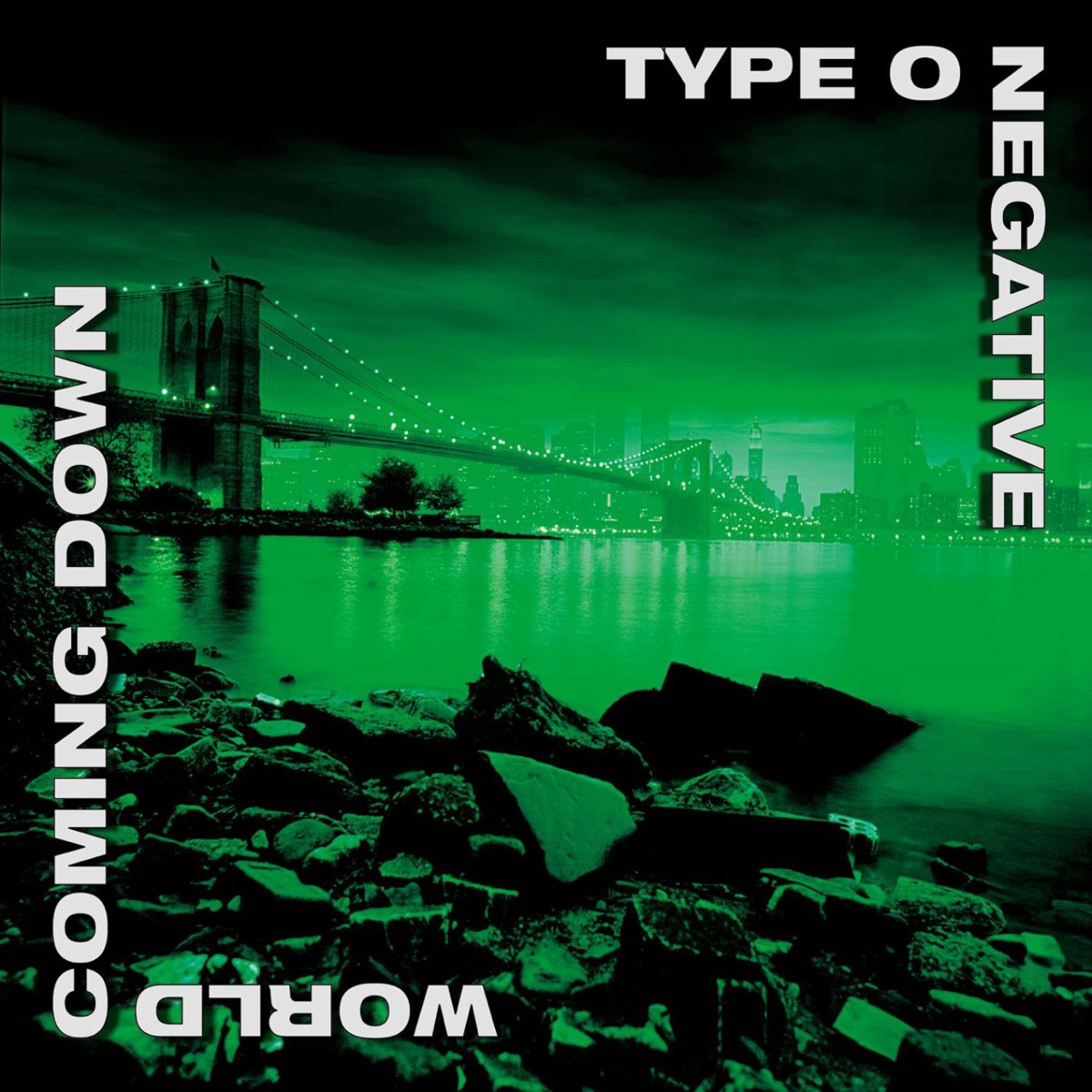
Released by Roadrunner on 21 September 1999 and taken to number 39 on the Billboard 200, World Coming Down is the record on which the Brooklyn four stopped sweetening the collapse and let it happen at its own speed. The readings converge on tempo. Huey heard songs taken at crawling tempos, a guest reviewer for Metal Storm placed doom and gothic metal at the album's core and heard guitars that drag slowly from start to finish, and Adam Wasylyk of Chronicles of Chaos called it his favourite album of 1999.
This is the pumpkin in the third week of November, the orange gone brown at the ribs and the shell subsiding into the step a little further every day, and it is the right picture for "Everything Dies" and "Everyone I Love Is Dead", where each leaden riff seems to settle onto the one before it rather than follow it. The brightest thing on the street is still lit. It is simply lower to the ground.
Life Is Killing Me swung the other way. Released by Roadrunner on 17 June 2003, it reached number 39 on the Billboard 200, and the reviews point away from doom: Exclaim! heard pure pop-rock bliss under the bitter lyrics, and Whitney Z. Gomes of AllMusic noted Hickey's guitar growing ever more melodic. Gothic rock with punk in its blood. The second no.
Dead Again, and the end of the band
Released on 13 March 2007 by SPV's Steamhammer label, Dead Again reached number 27 on the Billboard 200, the band's highest American chart position, and it closes the catalogue on the hybrid it opened with. Don Kaye, reviewing it for Blabbermouth, heard the band reaching back to the tortured brutality of the debut, with "Tripping a Blind Man" setting off at an Eighties thrash tempo before slowing into a doom-laden dirge, and Metal Storm's reviewer heard "The Profit of Doom" answer the album's gentler songs with heavy riffs, fast hardcore drumming and growls Steele had not used in years. The lead single, released in February 2007, puts the word in its title: "The Profit of Doom", ten minutes and forty-seven seconds on the album. Doom again, with the hardcore back, sixteen years after Slow, Deep and Hard.
Steele spoke about addiction in public before the album came out. In an interview with Tina Cederberg published by GetMetal.com on 12 February 2007, he said he had been lost in cocaine for a couple of years, that he had started using it at 35, and that he did not consider himself fully recovered. NEPA Scene reported in April 2020 that he had struggled with drugs and alcohol throughout his life and was clean and sober by 2009.
Peter Steele died on 14 April 2010 in Scranton, Pennsylvania, at the age of 48. The next day Billboard printed a statement from the band's publicity firm, Maple Jam Music Group, saying he had died of what appeared to be heart failure and that the official cause was pending autopsy results. His estate later clarified that the cause was sepsis brought on by diverticulitis, as NEPA Scene reported in April 2020, and Loudwire gave the same cause in a list by Chad Childers published on 21 October 2024. In November 2010 Kelly and Hickey told Rock Hard magazine that Type O Negative had split up, and the surviving members ended the band rather than replace him.
The answer, record by record
| Album | Label, year | Verdict | The songs that decide it |
|---|---|---|---|
| Slow, Deep and Hard | Roadrunner, 1991 | Half doom, half Carnivore | "Prelude to Agony" |
| The Origin of the Feces | Roadrunner, 1992 | The debut re-recorded as a staged live joke | "Hey Pete" |
| Bloody Kisses | Roadrunner, 1993 | Doom in the long songs, pop in the hooks | "Black No. 1 (Little Miss Scare-All)" |
| October Rust | Roadrunner, 1996 | Gothic pop; doom as atmosphere | "Love You to Death" |
| World Coming Down | Roadrunner, 1999 | Doom | "Everything Dies" |
| Life Is Killing Me | Roadrunner, 2003 | Gothic rock; not doom | "I Don't Wanna Be Me" |
| Dead Again | SPV/Steamhammer, 2007 | Doom, with the hardcore back | "The Profit of Doom" |
Type O Negative was a doom band whenever the riff was allowed to carry the song, and it earns its place in any serious account of doom because it recorded the slow part as seriously as the purists did and never once pretended the sugar was not there. The pumpkin on the porch is the picture to keep: collapsing, sweet, a joke carved into its face, and in the grey of November still the brightest thing on the street.
A voice from the bottom of the register was only one way to carry a slow riff, and the voices that carried it from the other end are gathered in the Doom Metal Bands With Female Singers.
