
On 30 November 2013, four weeks after Nuclear Blast released the first album by Avatarium on 1 November, the band's singer, Jennie-Ann Smith, told The Midlands Rocks that the band had not wanted multitracking, Autotune or compression on the record, and that what a listener heard on it was "basically how we sound live". No machine had corrected its pitch.
We start with that interview because this page is about singers, and about what a voice does once it is inside a slow song, which is a different question from who happens to stand at the microphone. A doom riff is lowered onto a record the way a stone lid is lowered onto a sarcophagus, tuned down, dragged slow and set in place with a weight meant to seal whatever lies beneath, and a singer laid across that weight has two choices: to be flattened with everything else under the lid, or to find the one line the riff cannot flatten. The four singers below each found that line by a different technique, and the first of them was drafted into a project begun by the founder of Candlemass. Readers coming to the slow music as a whole should begin with who to listen to first. Here the voice leads.
A singer laid across that weight has two choices: to be flattened with everything else under the lid, or to find the one line the riff cannot flatten.
Avatarium: a soulful voice on a Candlemass riff
Begun in the winter of 2012, when Leif Edling, the bassist and principal songwriter of Candlemass, wrote a set of demos for a new project and the guitarist Marcus Jidell offered to help, the Swedish quintet that the drummer Lars Sköld and the keyboard player Carl Westholm soon joined found its singer when Edling and Jidell needed someone to lay down vocals on those demos and gave Jennie-Ann Smith a call. In the same interview she traced her singing to the Deep Purple, Led Zeppelin and Rainbow records of her early teens and to Robert Plant, Joe Lynn Turner and Ian Gillan. Her folk side runs to Joni Mitchell and Crosby, Stills and Nash, a taste she found she shared with Mikael Åkerfeldt of Opeth, the singer Edling had first had in mind for some of the songs.
The debut, which followed the Moonhorse EP of September 2013, laid Edling's riffs down slow and leaden, grinding each chord into sediment under "Moonhorse", "Pandora's Egg" and "Boneflower", and it put that voice on top of them with no studio correction at all. In the interview that opens this page Smith described the span she had to work with, from belting out to "a more soothing and fragile soulful way of singing". Those are the two ends of the line. Everything the band has recorded since is strung between them.
I have a sort of inner Dio that comes out whenever a musical piece needs more power vocal-wise.
Jennie-Ann Smith, interviewed by The Midlands Rocks, 30 November 2013
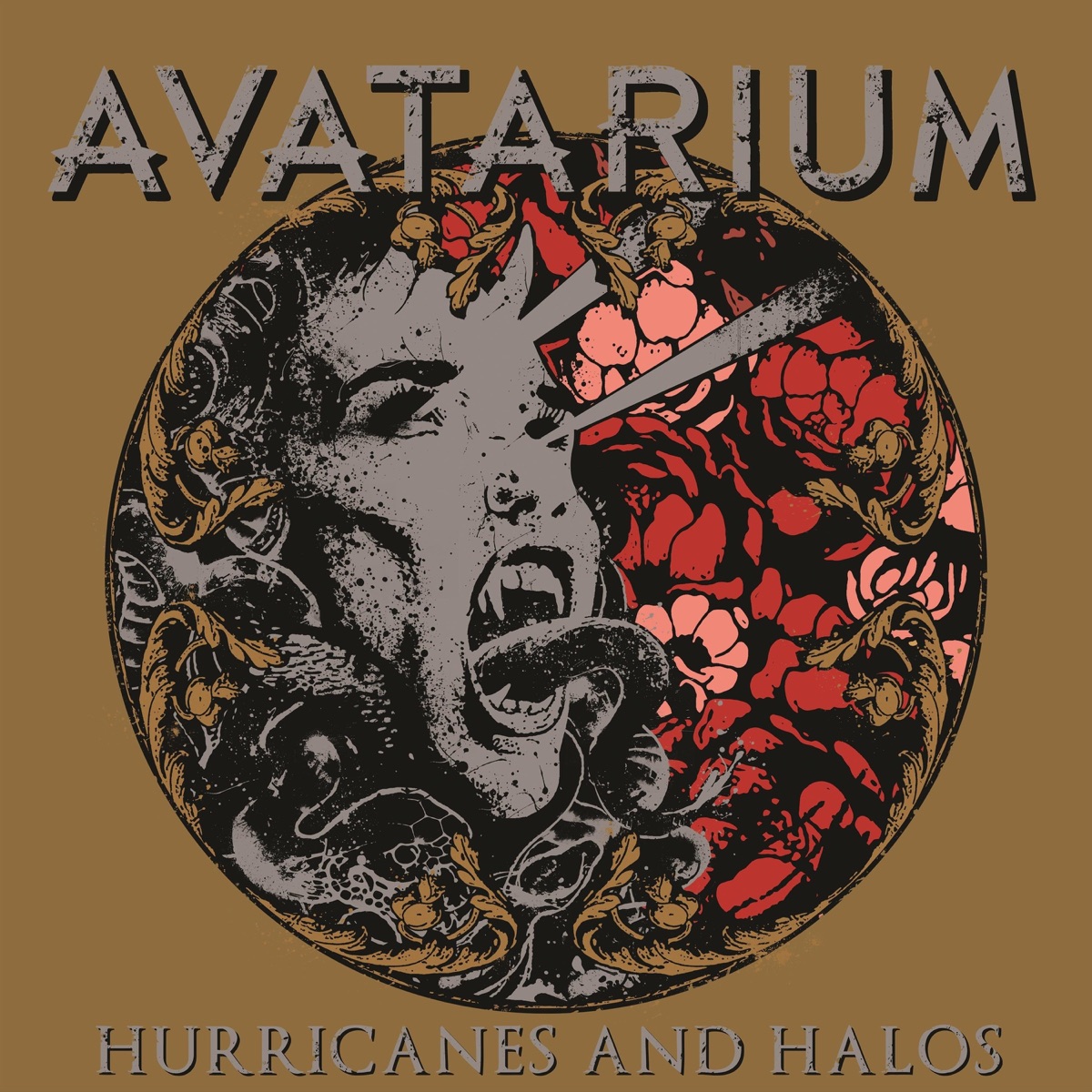
The Girl with the Raven Mask, released on 23 October 2015, was album of the month in Rock Hard and in the German Metal Hammer; Edling, who had stopped playing concerts with the band for health reasons, stayed on as a songwriter, and at the end of 2016 the band recorded with the bassist Mats Rydström and the organist Rickard Nilsson. Hurricanes and Halos, released on 26 May 2017, reached number 36 in Germany. Steel Druhm, reviewing it for Angry Metal Guy two days before release, called Smith's vocals the main attraction of every Avatarium record, "a warm, lovely voice, capable of real power and a smokey, nightclub purr", and heard that voice as the guide rope through the organ runs of "The Sky at the Bottom of the Sea".
The later records moved the singer from interpreter to author. Smith and Jidell first wrote for the band on Hurricanes and Halos, and The Fire I Long For, released on 22 November 2019, was the last of its studio records for Nuclear Blast, with "Rubicon" chosen for its video. The band signed to AFM Records in April 2022, released Death, Where Is Your Sting there on 21 October 2022, and saw Between You, God, the Devil and the Dead, out on 24 January 2025, reach number 29 in Germany, its highest placing there. The riffs are no lighter. The singer now writes the road they walk.
Witch Mountain: the voice a band waited ten years for
Formed in 1997 by the drummer Nate Carson and the guitarist Rob Wrong, the Portland doom band Witch Mountain released ...Come the Mountain in 2001 and then spent most of a decade between records, until Uta Plotkin joined in 2009 and Carson could tell NPR's Lars Gotrich, in an interview published on 8 April 2011, the day before South of Salem came out on vinyl, that the band had met "the singer that we had been looking for since we started the band". The first thing anyone notices about "Wing of the Lord", he wrote, beyond its fuzzy riffs, is Plotkin's voice, because soul is rare in metal, and he set her beside Dio for the reason Smith named him: the ability to belt without giving up something deeper.
Signed by Profound Lore in November 2011, the band put South of Salem out on CD in February 2012 and followed it with Cauldron of the Wild on 12 June 2012, riffs spread as slow as roofing tar across a road and left to set. Revolver reported on 7 August 2014 that Mobile of Angels, produced by Billy Anderson and due from Profound Lore in North America on 30 September, would be Plotkin's last record with the band, and that summer's shows with Nik Turner's Hawkwind her last tour. Three albums in four years, and a voice that took a decade to find.
Julie Christmas: building with the crack in the voice
The singer who had fronted the Brooklyn noise rock band Made Out of Babies and sung in Battle of Mice until that band split in 2009 made her solo record, The Bad Wife, for Rising Pulse in 2010, and Christopher R. Weingarten, reviewing it for Spin on 9 November 2010, heard Julie Christmas let her voice "crack, squeak, and gasp for air", finding the revealing notes in between the notes. That is the technique. She does not hide the break in the voice; she builds with it.
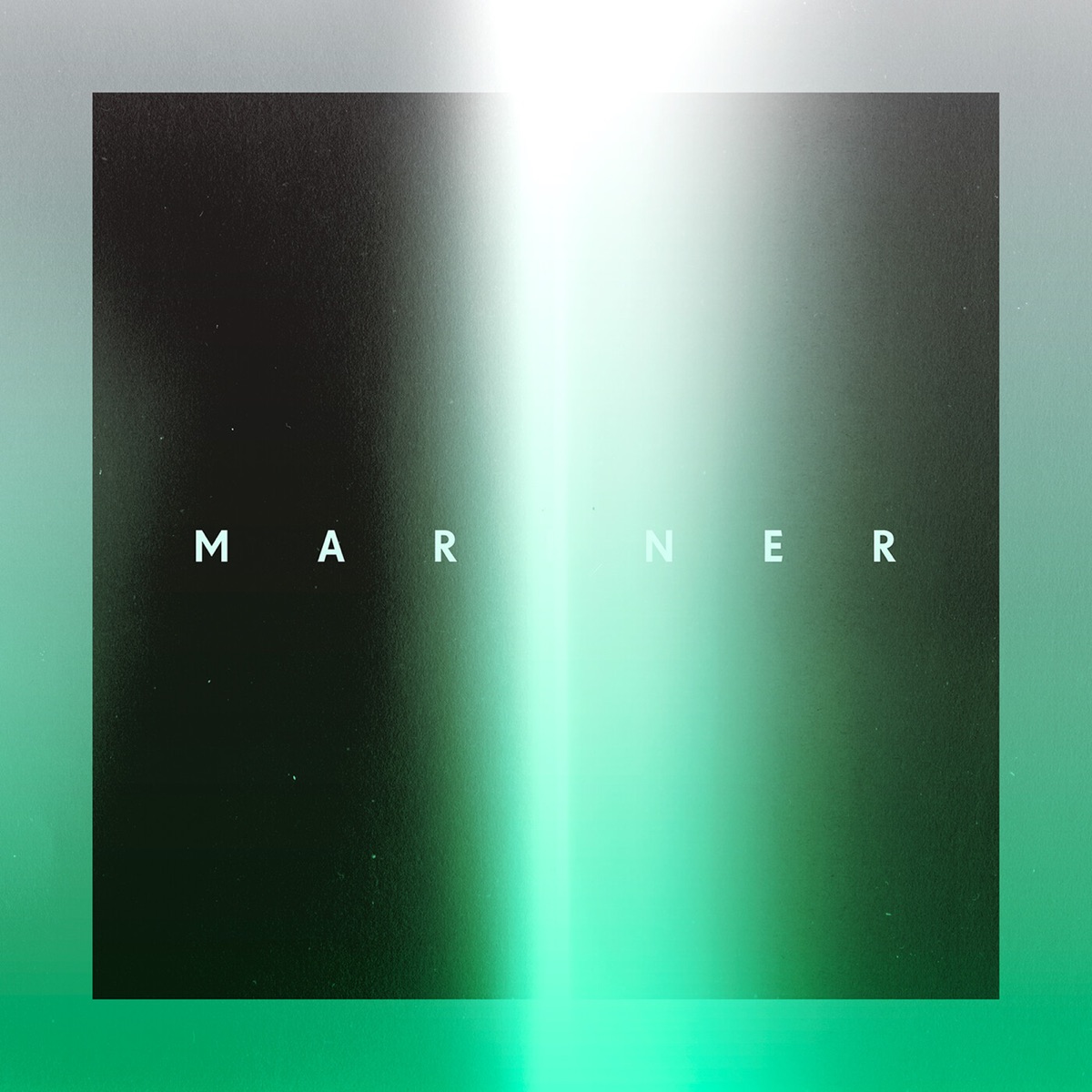
Released by Indie Recordings on 8 April 2016, Mariner set Christmas against the Swedish post-metal band Cult of Luna, closing on the near fifteen minutes of "Cygnus", and the accounts of the voice on it describe the same span. The guitarist Johannes Persson told Rolling Stone on 29 March 2016 that she could go "from the softest melodies to the wildest screams"; Jon Hadusek, who gave the album only a C+ in Consequence of Sound on 13 April 2016, still called her the highlight and heard her move on "The Wreck of S.S. Needle" "from a cracked scream to a quirky falsetto". Laid over the band's long builds, that voice runs like a hairline crack travelling across a pane of plate glass under load, thin and audible and the one thing in the room that tells the listener how much weight the glass is carrying.
King Woman: rasp, moan and croon under the reverb
Formed in San Francisco in 2009 by the singer and songwriter Kristina Esfandiari, King Woman put out the Doubt EP through The Flenser on 6 October 2014, pressed on vinyl the following February, and signed to Relapse for Created in the Image of Suffering, produced by Jack Shirley and released on 24 February 2017, seven songs running from "Utopia" through "Shame" to the eight minute "Hem". Kim Kelly, previewing it for Vice on 21 February 2017, heard depth in the voice "whether she's employing a powerful rasp, a throaty moan, or a more delicate, pillowy croon". Pitchfork placed the record among the ten best metal albums of 2017.
On Celestial Blues, released by Relapse on 30 July 2021, the songwriter from San Francisco built a more produced studio record around the voice, and John Amen, reviewing it for Beats Per Minute on the day of release, heard it keep its detail "even when soaked in reverb" and picked out "Morning Star" for its melancholy melodies. It goes down into the songs the way a lantern goes down a flooded mine shaft, lit at every depth it passes. Esfandiari told Consequence on 29 June 2021 that "Aretha Franklin is huge for me", a singer who, in her words, "emotes in a way that's separate from the rest". Soul again, the quality Gotrich had found so rare in metal ten years before.
One struck note
| Singer | Band | Record | Label, year | What the critics hear |
|---|---|---|---|---|
| Jennie-Ann Smith | Avatarium | Hurricanes and Halos | Nuclear Blast, 2017 | real power and a nightclub purr (Angry Metal Guy) |
| Uta Plotkin | Witch Mountain | South of Salem | Profound Lore CD, 2012 | soul, and a belt in the line of Dio (NPR) |
| Julie Christmas | with Cult of Luna | Mariner | Indie Recordings, 2016 | soft melody to cracked scream (Rolling Stone, Consequence of Sound) |
| Kristina Esfandiari | King Woman | Created in the Image of Suffering | Relapse, 2017 | rasp, moan and croon (Vice) |
Strike a tuning fork against the edge of a wooden table and stand its stem on the wood, and the single clean note it gives out goes down into the table, the floor and the walls, so that a room of instruments sounding against one another a minute earlier in a dozen slack tunings can take its pitch from that one struck note and settle onto it until the room sounds one chord. A doom record is that room at its heaviest, the guitars tuned down toward the floor, the chords tolling one after another at the pace of a cortege, and on each of the records above the singer is the struck fork: the riffs keep every pound of their weight, and they take their pitch from the voice. The weight stays with the riff. The note comes from the singer.
The younger bands have taken the lesson. In Italy Messa builds its records around Sara Bianchin's voice, which JR Moores, reviewing The Spin for Bandcamp Daily on 11 April 2025, called "carefully controlled", and that band belongs to the longer story we follow in italian Doom Metal.
