
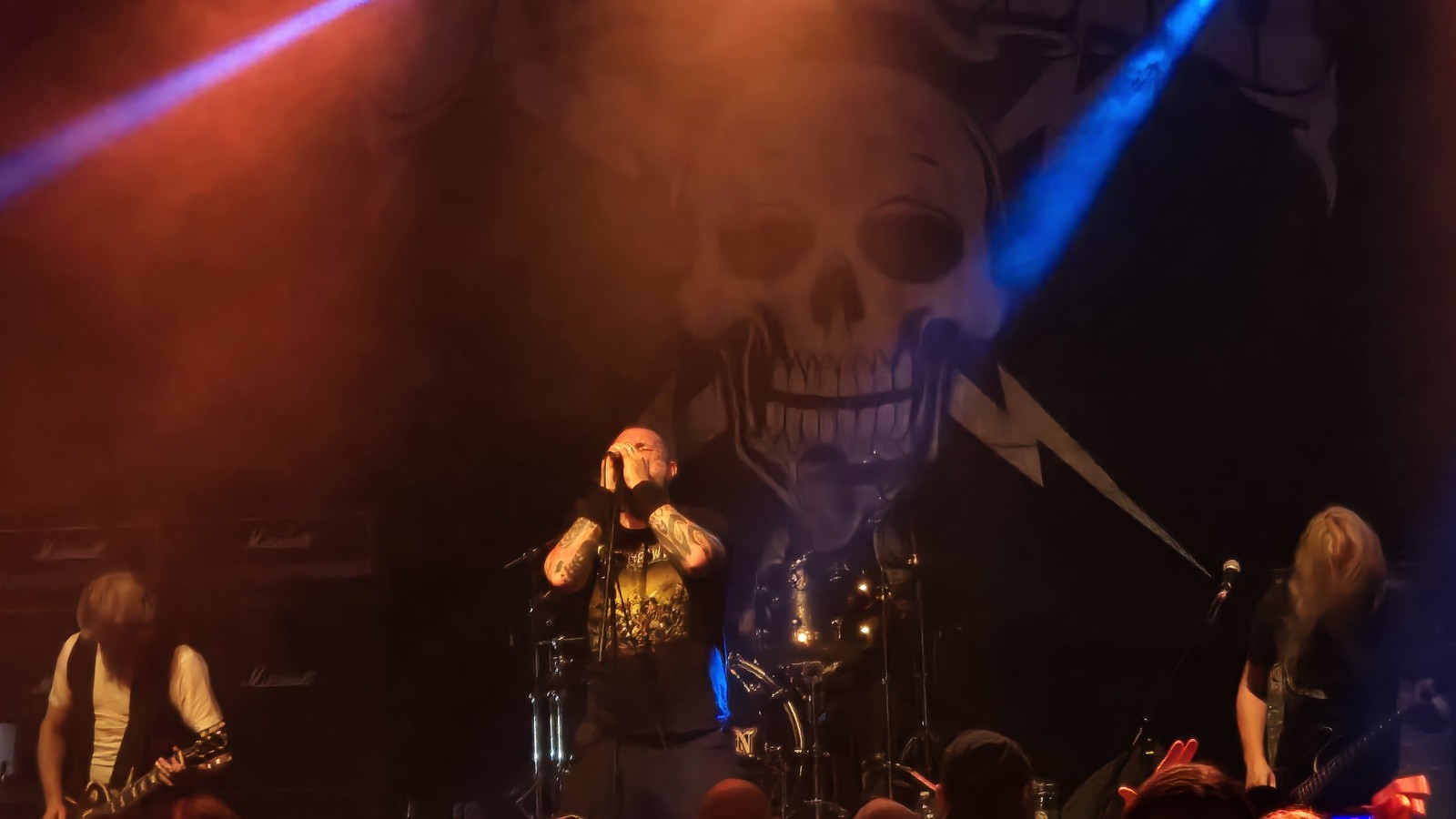
"Chief among these was Kyuss." Rich Hobson wrote that sentence for Louder on 20 April 2023, in a beginner's guide to stoner metal. We do not dispute the history. We dispute the order, because a ranking of the best stoner metal bands that begins with the band that struck the match has measured only the moment of lighting, and a genre now more than three decades old has to be judged on what kept burning after the match went out.
Formed in Palm Desert in 1987 and gone before the end of 1995, the four young musicians who called themselves Kyuss recorded four albums, among them Blues for the Red Sun in 1992 and Welcome to Sky Valley, released by Elektra on 28 June 1994, and then walked out of the room they had built. The founding story is in Kyuss and the desert.
How the order was made
Every band was weighed on four measures: the records, at least two albums still argued over; influence, the bands and press that name it as a source; longevity, the years spent actually releasing music; and live reputation as reported in print. Records count double. Ties go to the longer working life. Only bands regularly filed on the metal side of the stoner line were admitted.
The image we kept in front of us was a cast-iron stove glowing red in a cold room. A stove of that kind throws no flame worth watching; it swallows the fire into its heavy iron body and gives the heat back for hours after the last shovel of coal, exactly as a fuzz chord tuned low and driven through a valve amplifier goes on pressing against the walls of a club long after the pick has left the string. Kyuss was a bonfire in the desert, seen for miles and then gone. The bands at the top of this list are the ones whose iron is still red.
| Rank | Band | Formed | Records weighed | Deciding measure |
|---|---|---|---|---|
| 1 | Sleep | 1990 | Sleep's Holy Mountain (1992), Dopesmoker (2003) | Records |
| 2 | Kyuss | 1987 | Blues for the Red Sun (1992), Welcome to Sky Valley (1994) | Influence |
| 3 | Monster Magnet | 1989 | Dopes to Infinity (1995), Powertrip (1998) | Records |
| 4 | Orange Goblin | 1995 | Time Travelling Blues (1998), Healing Through Fire (2007) | Longevity and the road |
| 5 | High on Fire | 1998 | Blessed Black Wings (2005), Electric Messiah (2018) | Records |
| 6 | Fu Manchu | 1990 | In Search Of... (1996), King of the Road (2000) | Longevity |
| 7 | Spiritual Beggars | 1993 | Another Way to Shine (1996), Mantra III (1998) | Records |
| 8 | Elder | mid-2000s | Lore (2015), Reflections of a Floating World (2017) | Records |
| 9 | Red Fang | 2005 | Murder the Mountains (2011), Whales and Leeches (2013) | Live reputation |
| 10 | Truckfighters | 2001 | Gravity X (2005), V (2016) | Live reputation |
| 11 | Monolord | 2013 | Empress Rising (2014), No Comfort (2019) | Records |
One to three: why Sleep stands above Kyuss
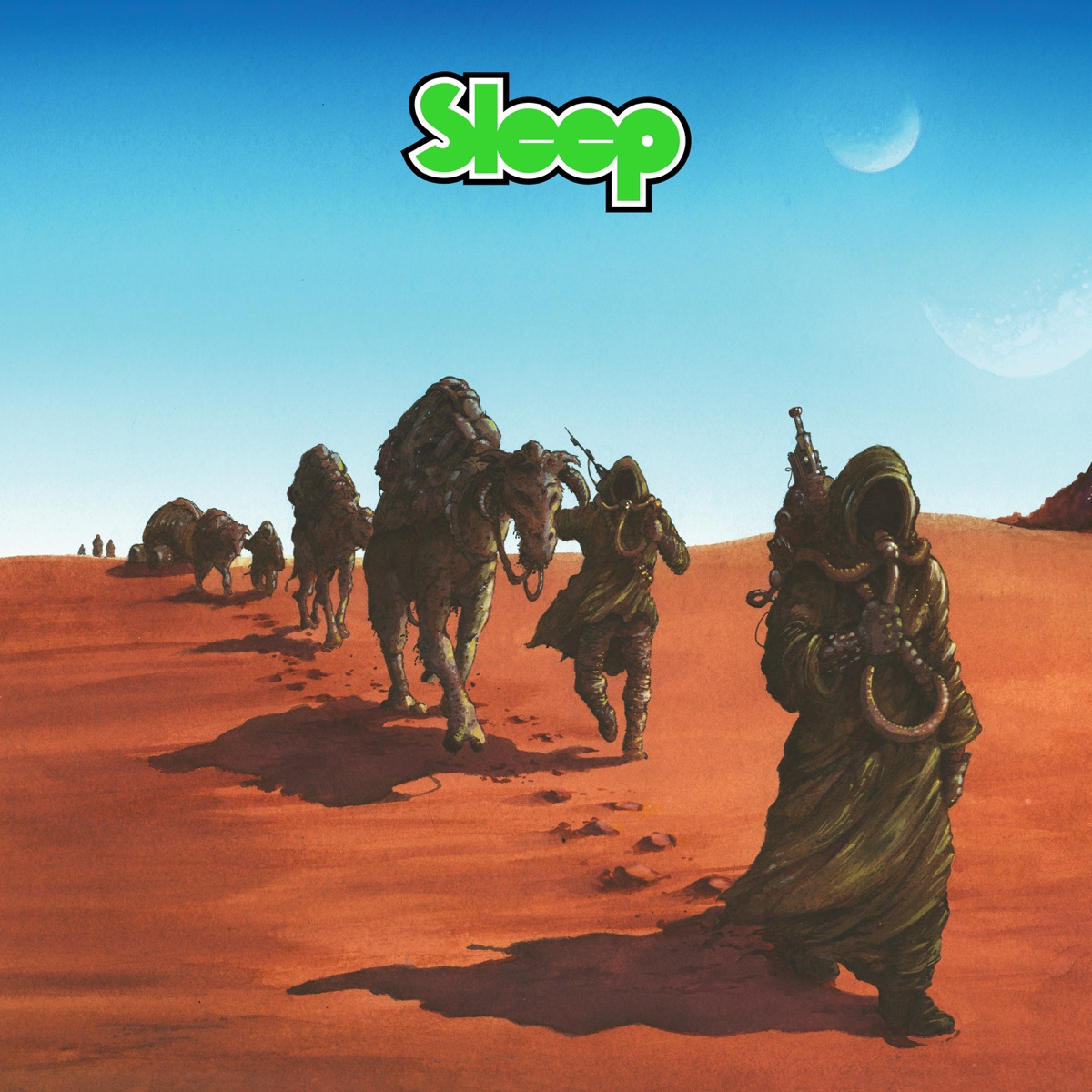
First place goes to the trio from San Jose, Sleep, and it goes there on the records. Formed in 1990 by Al Cisneros, Matt Pike, Chris Hakius and Justin Marler, who left after the debut, the band sent Earache a demo that the label released exactly as it arrived, as Sleep's Holy Mountain in November 1992, then signed to London Records and recorded Dopesmoker, a single piece over an hour long, only for the label to declare it unmarketable, have it cut into sections and leave the band broken by 1998. Tee Pee released it as written on 22 April 2003. Sixty-three minutes, and not one of them meant for radio.
Then the iron stayed hot. The band reformed in 2009, surprise-released The Sciences through Third Man on 20 April 2018, and on 18 June 2026 announced that Pike was no longer a member, with Dale Crover and Bubba Dupree beside Cisneros; Hempispheres followed on 3 September. The split of 1998 had already produced Pike's High on Fire, so even the years of silence kept a second fire burning.
Second place belongs to the band from the opening quote. Kyuss outranks everyone below it on influence, since Josh Homme's C-tuned guitar played through a bass cabinet became the desert sound that Hobson credits the band with carrying out of the wilderness to fans around the world, but it loses first place on the records count and on longevity: four albums in eight years, and a genre label that, in The Guardian's account of March 2011, everyone applied to the band except its own members. A band that never accepted the name cannot be the name's first example. It can be its second.
Third is the New Jersey band that took the riff furthest up the charts. Founded in Red Bank in 1989 by Dave Wyndorf, its only constant member across eleven studio albums, Monster Magnet released Dopes to Infinity through A&M on 21 March 1995, reached number 17 in Sweden with it, and three years later earned an American gold record for Powertrip.
Four to six: Orange Goblin and the iron that stayed red
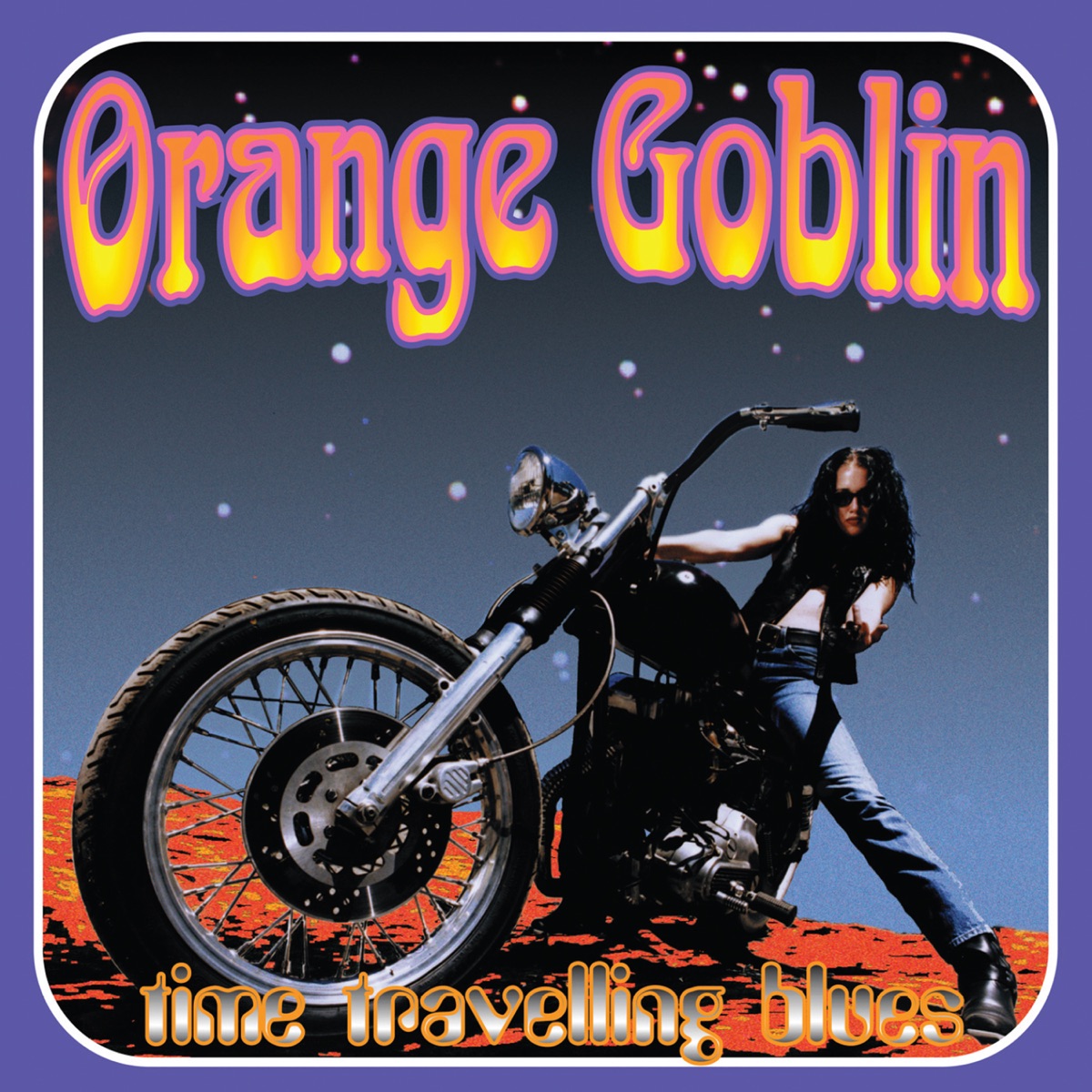
Fourth place is the one we argued over longest, and it belongs to the London band that never had a desert to play in. Formed in 1995 as Our Haunted Kingdom, the five-piece of Ben Ward, Joe Hoare, Pete O'Malley, Martyn Millard and Chris Turner shared a seven-inch single with Electric Wizard on Rise Above in 1996, became Orange Goblin, issued its first five releases through Lee Dorrian's label and recorded Time Travelling Blues between 2 and 15 June 1998 at The Square Centre in Nottingham with producer Dave Chang, for release by Rise Above later that year.
The records then turned to English history. Healing Through Fire, released on 21 May 2007 through Sanctuary as the first Orange Goblin album not issued by Rise Above, took the Great Plague of London and the Great Fire that followed it as its lyrical source, by Ward's description to Blabbermouth in November 2006, from "The Ballad of Solomon Eagle" to "Hounds Ditch". Back from the Abyss reached number 98 on the UK albums chart in 2014.
What lifts the band above those below it is the fourth measure. A Eulogy for the Damned, released in February 2012 after songs from it had first been named in 2009, pushed the four out of their day jobs and onto longer tours, by Louder's account in November 2014, and in December 2015 they marked twenty years with thirteen dates across the UK. On 22 January 2025, six months after Science, Not Fiction, the four announced that 2025 would be their last year, and the final run of seven shows, with Grand Magus and Urne in support, went from The Garage in Glasgow on 10 December to the O2 Forum Kentish Town in London on 17 December, the band's very last gig by Louder's report of January 2026. Thirty years, ten studio albums, the same singer, guitarist and drummer on every one. That is the stove in the cold room: no generator, no desert heat, only British winters and an iron body that did not cool for three decades.
Fifth is Pike's second band, the Oakland trio that dragged the Sleep riff out of the smoke and into the company of thrash. Formed in 1998, High on Fire recorded Blessed Black Wings with Steve Albini for Relapse, released on 1 February 2005, and won the Grammy for Best Metal Performance with "Electric Messiah" in February 2019. It ranks below Orange Goblin because the press files it under sludge and thrash as readily as under stoner metal.
Sixth is the Orange County band that has outlasted nearly everyone. Fu Manchu released In Search Of... in 1996 and King of the Road in 2000, and its thirteenth album, The Return of Tomorrow, arrived on 14 June 2024. Longevity would carry it higher; AllMusic's filing of it as stoner rock, and a subject matter of muscle cars rather than weight, holds it at sixth.
Seven to eleven: the Swedes and the second generation
Seventh is the Halmstad band Michael Amott formed in 1993 after leaving Carcass. Spiritual Beggars, whose Ad Astra of 2000 is one of the five records in Hobson's guide, was nominated for a Swedish Grammy with Another Way to Shine in 1996 and added Per Wiberg on keyboards for Mantra III in 1998. Amott's full-time work in Arch Enemy has spaced the records out ever since, and the gaps cost a higher place.
Influence is entered in the ledger once, on the night the fire is lit. Longevity has to be entered every year, and it is the only column in which a band can still lose.
Andrzej Sawicki, KaosMetal
Eighth, and the highest of the bands that released a first album after 2000, is Elder, the Massachusetts group led by Nick DiSalvo and now based in Berlin. Reflections of a Floating World came fifth in Rolling Stone's list of the best metal albums of 2017, and Through Zero arrived on 29 May 2026. Longevity is still being earned.
Ninth is the Portland quartet whose reputation was built in front of crowds. Red Fang, formed in 2005, took Whales and Leeches to number 66 on the Billboard 200 in 2013 and appeared on the Late Show with David Letterman in January 2014.
Tenth, from Örebro, Truckfighters released Gravity X on 12 July 2005, announced an indefinite hiatus in February 2018, returned at Psycho Las Vegas in August 2019 and then toured Gravity X in its entirety, from the last song to the first.
Eleventh is the Gothenburg trio of Thomas V Jäger, Mika Häkki and Esben Willems who formed Monolord in 2013. Empress Rising, released by RidingEasy on 1 April 2014, and No Comfort on Relapse in 2019 carry it here. It closes the list because it has had the least time, and time is the one thing no riff can be dragged down low enough to fake.
The two absences
The Dorset band that shared Orange Goblin's first seven-inch is not ranked, although Dopethrone, released by Rise Above on 25 September 2000, is claimed by both genres. Filed as doom first and stoner metal second, Electric Wizard is weighed in stoner Doom instead.
The second absence is Clutch, formed in Germantown, Maryland, in 1991. Hobson's guide counts it among the new American school of the early nineties, but most writing about the band files it as stoner rock or alternative metal, and we take that filing at its word. Kyuss lit the fire. Sleep, Monster Magnet and a quartet from London kept the iron red, and on this list that counts for more.
