
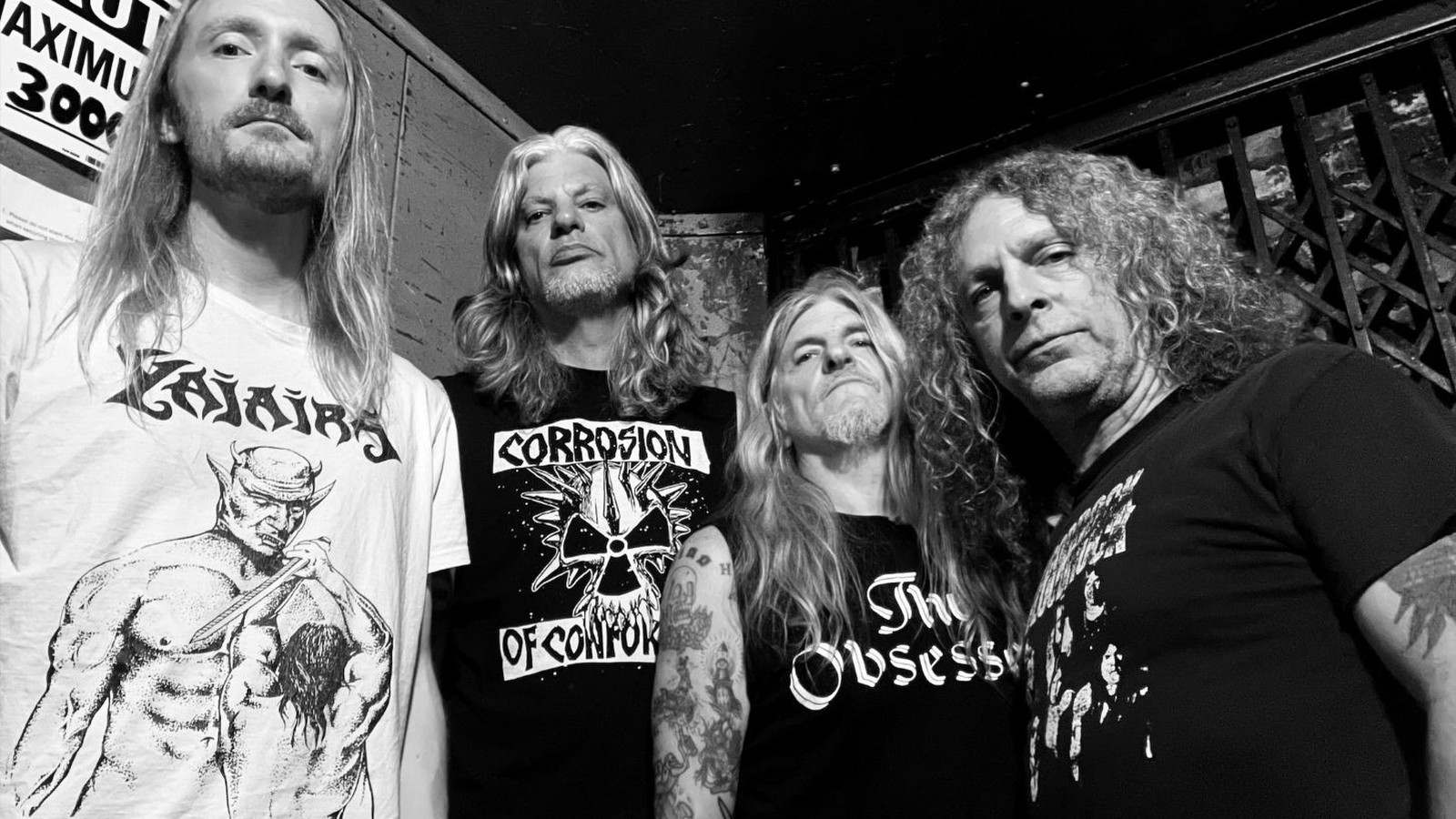
In 1985, at Ambient Studios in College Park, Maryland, The Obsessed recorded nine songs for an album intended for Metal Blade Records, and Metal Blade never released it. The tapes, with Scott Weinrich, known as Wino, singing and playing guitar, Mark Laue on bass and Ed Gulli on drums, sat unissued for five years. A record finished in one decade and heard in the next is not the exception in eighties doom. For almost everyone beneath Saint Vitus, Trouble, Candlemass and Pentagram, it is the rule.
The 80s doom metal bands that nobody signed worked the way a mine shaft is sunk by hand into rock that no survey has promised will pay: two or three people at the bottom with a pick and a bucket, a few feet gained on a good day and nothing on a bad one, the spoil winched up and tipped at the lip where nobody passing on the road could tell whether the hole would ever strike anything, and most of those shafts were abandoned at forty feet, while a few went on down through the whole decade, leaden riff by leaden riff, and struck the seam only when the eighties were already over. We are writing here about the diggers, not about the ore that the nineties sold.
The Maryland guitarist who spent the decade at the bottom of that shaft had started it in 1976, when Wino formed a band called Warhorse in Potomac, a group that became the Leather Nunz at the end of the seventies and then, moved to Rockville and renamed, The Obsessed. The band released the Sodden Jackal EP on Invictus Records in the spring of 1983 and placed "Concrete Cancer" on Metal Massacre VI, Metal Blade's 1985 compilation of new bands, the nearest The Obsessed came in the eighties to a national release.
Then the album was shelved. The Obsessed broke up, and in 1986 Wino went west to replace Scott Reagers as the singer of Saint Vitus, leaving behind a finished record almost nobody had heard, a shaft sunk to full depth and boarded over at the top. Around 1989 the band re-formed and signed to Hellhound Records, the German label that ran from 1988 to 1996 and already had Saint Vitus on its books, and it was the release of the old tapes that pulled Wino out of Saint Vitus and back into his own band.
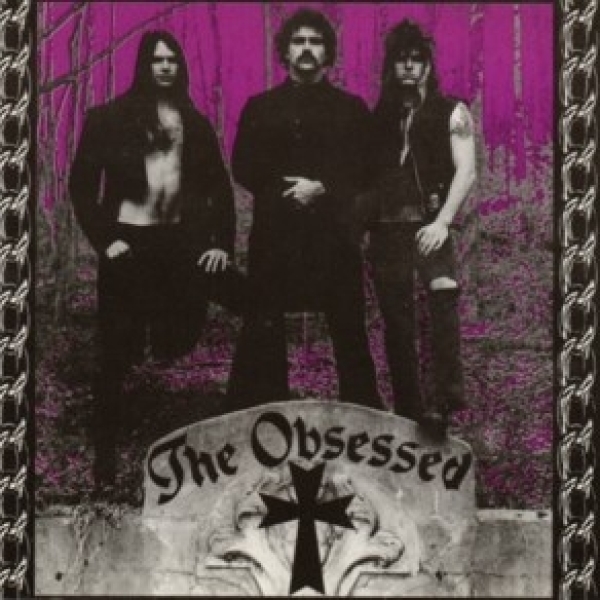
The Obsessed came out on Hellhound in 1990 with the performances cut five years earlier, nine songs opening on "Tombstone Highway" and closing on "River of Soul", and it was followed by Lunar Womb in 1991 and, after a move to Columbia Records, by The Church Within in 1994, before the band broke up again in 1995. A major label contract nine years after the shelving that buried those songs was the fullest reversal any of these bands managed. It still came too late for the decade.
The Maryland crews and a label from Germany
The larger story of how the eighties built it runs through four famous names. Beneath them, in Wino's home state, a second generation began work in 1986 and 1987 with no contract in sight.
Started as Panic in 1985 and renamed in May 1986 after a Trouble song, the Baltimore band of singer and guitarist John Brenner and drummer Steve Branagan, Revelation, put out three demo tapes in 1987 alone, Face Reality, Terminal Destiny and Images of Darkness, followed them with The Illusion of Progress in 1989, and recorded a full album in 1988 that the band held back over its sound and that stayed in a drawer until 2008. Their first released album, Salvation's Answer, came out in 1991 on Rise Above Records, the English label run by Lee Dorrian, and two albums on Hellhound followed before the band broke up. John Brenner died on 31 July 2026.
The Frederick band that came together in 1987 after its members had seen Saint Vitus play, Internal Void, worked through demo tapes for six years before Hellhound issued Standing on the Sun in 1993, and Iron Man, which guitarist Alfred Morris III had started in 1986 as a Black Sabbath tribute and turned into a band of its own by 1988, reached the same label with Black Night in 1993. With Wretched and Unorthodox added to the roster, Hellhound in the early nineties took up nearly the whole Maryland seam, prising open claims that every American metal label had walked past for the better part of a decade.
Pittsburgh, the Death Row tapes and Bedemon
Across the state line, the Pittsburgh band Dream Death, formed in 1985, made one album inside the decade, Journey into Mystery, released on 16 October 1987 by New Renaissance Records. The band came apart, and in 1990 drummer Mike Smail and guitarist Terry Weston started again as Penance, recorded the demo Living Truth that year and reached Rise Above with The Road Less Travelled in 1992. Smail later went on to Internal Void and to Pentagram.
Pentagram had spent its own eighties underground as a Death Row line-up, the band Victor Griffin and Lee Abney had formed in Knoxville, Tennessee, in 1980, which took in Bobby Liebling, went back to the Pentagram name and let its 1982 demo, All Your Sins, wait until 1985, when a remixed and partly re-recorded version became the band's first album. Deeper still lay Bedemon, the offshoot in which Randy Palmer, Liebling and Geof O'Keefe recorded "Child of Darkness", "Serpent Venom" and "Frozen Fear" around 1973, three more songs in 1979 and "Night of the Demon" in 1986, and whose reels reached an official release only on 16 December 2005, when Black Widow Records issued Child of Darkness: From the Original Master Tapes. Palmer had died in 2002.
A shelved album is not a verdict on the music. It is a shaft that reached the seam in a year when nobody was buying ore.
England: Witchfinder General stops, Pagan Altar waits
In England the digging stopped early. Witchfinder General, who had made Death Penalty in 1982 and Friends of Hell in 1983 for Heavy Metal Records, disbanded in 1984, and the shaft they left stood abandoned, the ladders pulled up, for twenty-two years, until a re-formed line-up with Gary Martin singing and without Zeeb Parkes returned in November 2006 and released Resurrected in 2008.
The father and son partnership of singer Terry Jones and guitarist Alan Jones, Pagan Altar, formed in Brockley in 1978, paid for a demo album of its own in 1982, played on until 1985 and stopped without ever having signed to a label. Oracle Records put the 1982 recording out as Volume 1 in 1998, sixteen years after it was made, and the re-formed band followed it with Lords of Hypocrisy in 2004. Terry Jones died on 15 May 2015.
Sweden and Texas at the bottom of the decade
Sweden began earlier and moved faster. Nemesis, the band bassist Leif Edling formed in 1982, released The Day of Retribution in 1984 and broke up, and Edling's next group, founded that same year, is the story of candlemass and the Invention of Epic Doom, a band a label took while its music was still new.
The Stockholm band that started in 1987 as Stormvarning and became Count Raven in 1989 recorded two demos that year and was taken by Hellhound for Storm Warning in 1990, a debut that Rock Hard marked ten out of ten; singer Christian Linderson then left for Saint Vitus. Sorcerer, formed in Stockholm in 1988, hit harder rock: two demos, Anno 1503 in 1989 and The Inquisition in 1992, a break-up that same year, and no album at all until Metal Blade released In the Shadow of the Inverted Cross in 2015, twenty-seven years after the band formed.
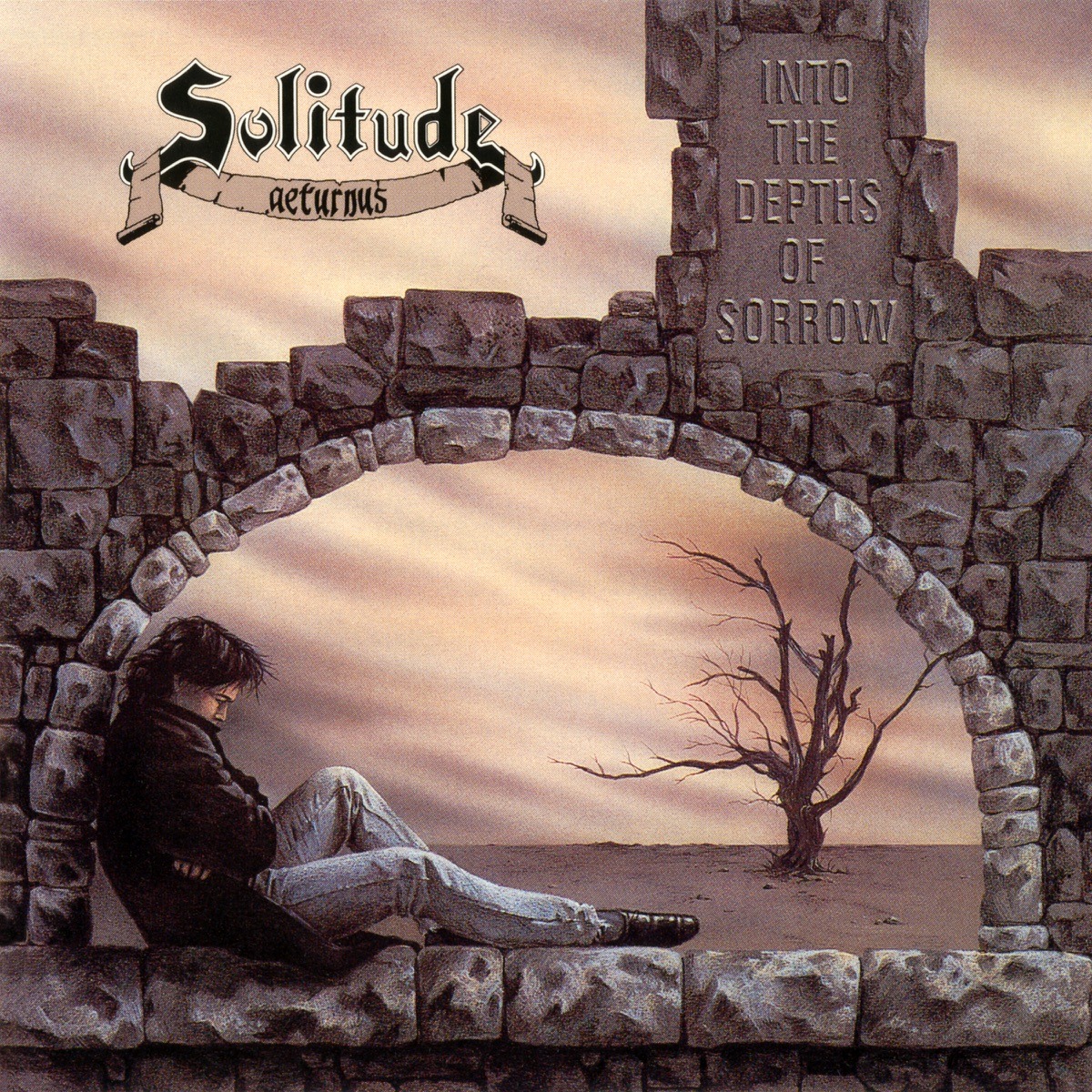
In Arlington, Texas, guitarist John Perez founded Solitude early in 1987, recorded a five song demo in January 1988, brought in Robert Lowe to sing late that year and was later made to lengthen the name to Solitude Aeturnus. The album came at the pace of hand work, a few feet a day: Into the Depths of Sorrow was recorded at Dallas Sound Lab in January 1990, signed first to the independent King Klassic and then to Roadrunner Records, which released it in July 1991. Solitude Aeturnus had needed four years and two names to reach the shops.
What came up out of the ground
| Band | Country | Formed | First demo or record | First album on a label | What became of them |
|---|---|---|---|---|---|
| The Obsessed | USA | 1976, as Warhorse | Demo, 1980; Sodden Jackal EP, 1983 | The Obsessed, Hellhound, 1990 (recorded 1985) | Columbia, The Church Within 1994; split 1995 |
| Revelation | USA | 1985, as Panic | Face Reality demo, 1987 | Salvation's Answer, Rise Above, 1991 | 1988 album released in 2008 |
| Internal Void | USA | 1987 | Demo tapes, 1988 | Standing on the Sun, Hellhound, 1993 | Three members played on a 2004 Pentagram album |
| Dream Death | USA | 1985 | Recordings, 1986 | Journey into Mystery, New Renaissance, 1987 | Became Penance, 1990; later returned |
| Bedemon | USA | c. 1973 | Sessions 1973, 1979, 1986 | Child of Darkness, Black Widow, 2005 | First live show, 2015 |
| Witchfinder General | UK | 1979 | "Burning a Sinner" single, 1981 | Death Penalty, Heavy Metal Records, 1982 | Split 1984; Resurrected 2008 |
| Pagan Altar | UK | 1978 | Demo album, 1982 | Volume 1, Oracle, 1998 | Split 1985; re-formed 2004 |
| Count Raven | Sweden | 1987, as Stormvarning | Demo 89, 1989 | Storm Warning, Hellhound, 1990 | Active; The Sixth Storm 2021 |
| Sorcerer | Sweden | 1988 | Anno 1503, 1989 | In the Shadow of the Inverted Cross, Metal Blade, 2015 | Split 1992, re-formed 2010 |
| Solitude Aeturnus | USA | 1987, as Solitude | Demo, January 1988 | Into the Depths of Sorrow, Roadrunner, 1991 | Hiatus 2011, reunited 2023 |
Read down the fifth column and the decade explains itself. Of the ten bands in that table, only Witchfinder General and Dream Death had an album out on a label before 1990; the rest reached daylight in the nineties, in the new century or, in Sorcerer's case, not until 2015. Hellhound, Rise Above and the collectors' labels after them did not discover those eight. They found shafts already sunk to depth, the timbering in place and the spoil heaps grassed over at the lip, and all they had to do was lower a bucket and haul up what the diggers had cut out of the rock in the dark years before anyone came to look. The Obsessed cut theirs in 1985. It came up in 1990.
