
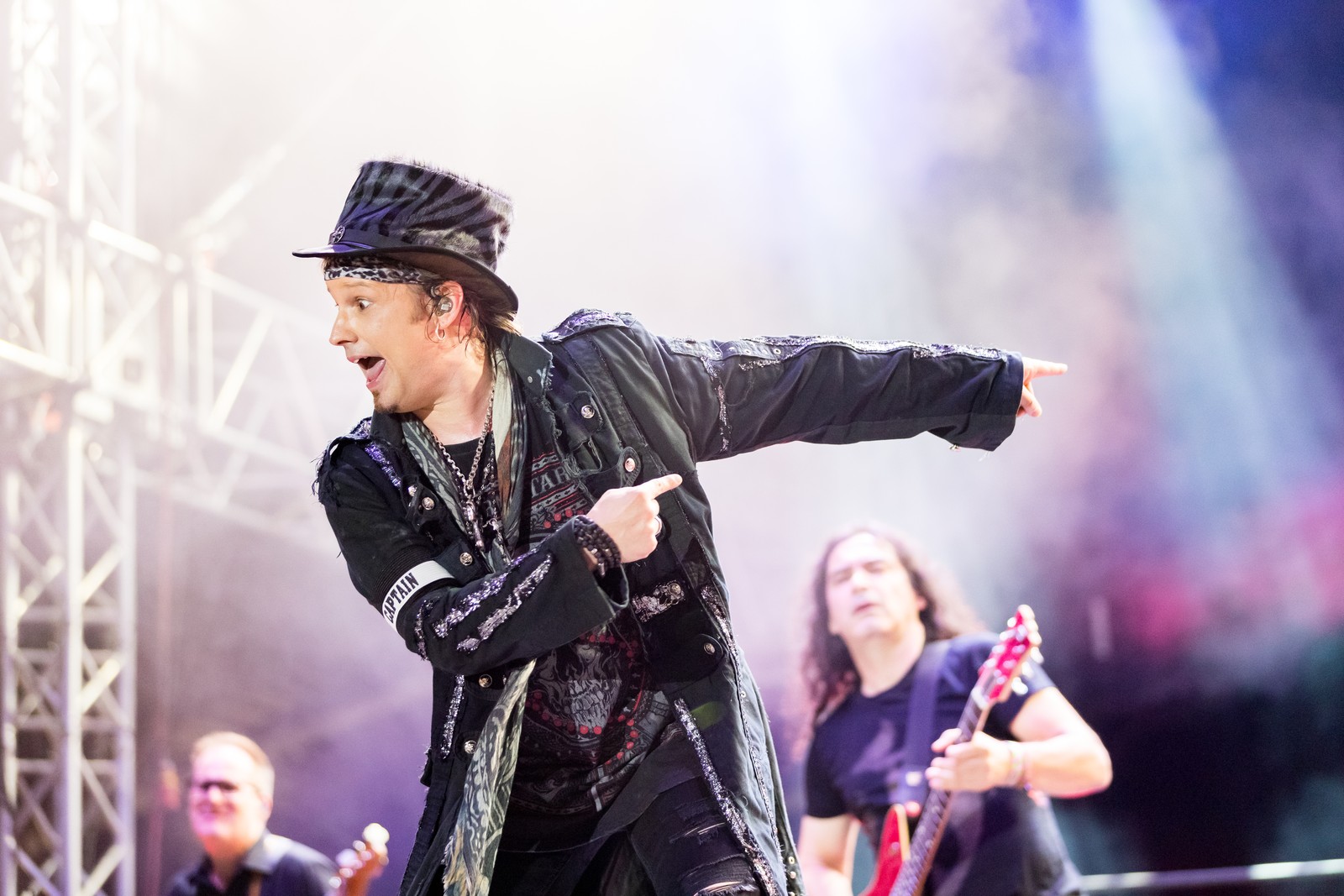
Nineteen and a half minutes in one track at the end of a record of fifty seven and a half minutes, and the sleeve carves that track into five numbered parts with a running time against each: the Italians who have been finishing albums this way since 1998 are Rhapsody Of Fire. The five parts average just under four minutes apiece. That is the length of a single.
Two phrases of eight bars can be made to live inside fifteen. The last bar of the first takes on the work of the first bar of the second, one bar doing duty twice, and the music comes out a bar early with nothing missing from it. The arithmetic runs backwards just as exactly. Put a bar between the two phrases instead and it belongs to neither of them: nothing in it is being said by anybody, somebody on the stage has to cover it, and what goes over the top is a fill wearing the same four beats down for the ninth time, a held chord with the gain left open, a figure the guitars run while the band waits for the next thing to start. Four minutes will carry two or three of those and nobody counts them. Nineteen carries a dozen. Attention does not break on the loud part or the slow part. It breaks in the bars that belong to nobody.
So the question the epic power metal songs have to answer is a narrow one, and it is never how long but what goes into the time that could not have gone into four minutes. The supply of answers is short: a theme that comes back with something done to it, a key the song has to climb out of twice, a pace that changes without the band stopping to count itself in, a story whose events are not finished yet, and, at the bottom of the list, more of the same at greater length. Nineteen minutes at one tempo and one volume would scour a song's floor flat by the ninth minute, so something always stops. Where it stops is where the joins are.
What the numbered parts of epic power metal songs admit
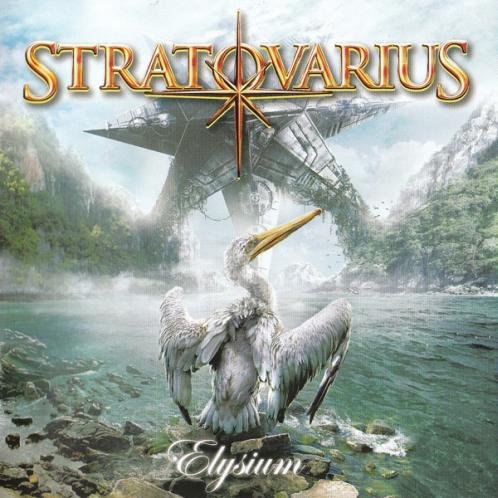
The Finnish band that gave the last of nine tracks on a 2011 album eighteen minutes and seven seconds was Stratovarius, and Elysium hands almost a third of its fifty six and a half minutes to that one title, set out as Part I, Part II and Part III. Numbering of that kind is an admission before a note is heard. It says where the writing stopped and started again.
What the numbering buys is permission. Each part can be a finished small piece with its own tempo, its own key and its own last chord, and the gruelling work of carrying a listener from one to the next is handed over to the gap between two numbers. A set of finished parts can be reordered, and anything that can be reordered has been placed rather than composed.
The parts are a decision and not a property of the music, and an American record of 1995 proves it. The band that ended Burnt Offerings with a setting of a medieval poem running sixteen and a half minutes is credited on that sleeve as Iced Earth, and the original pressing cut "Dante's Inferno" into three numbered parts inside one track, while every edition since has listed it as a single song over the same music. The same minutes read as a trilogy and then as a piece. The sleeve did the arguing both times.
How a long song gets round its corners
The Germans who closed a 2002 album with fourteen minutes and six seconds and printed not one subdivision against it sign as Blind Guardian, and the tenth track of A Night at the Opera is the strongest case in the style for refusing the numbers. Nothing on that sleeve warns a listener that a corner is coming. The piece has to carry its own corners, which means the material has to come back, and come back altered, because a return that changes nothing is a repeat, and a repeat is where a long song dies.
One join can be crossed without a stop. The pace moves while a count is handed between the players, held between the kick and the rhythm guitar until the new tempo is already running, and a hall never hears the band set off again.
How the printed parts divide the time
The printed parts give the game away when their running times are laid beside each other. Rhapsody Of Fire's five sections run three minutes fifteen, four minutes forty one, three minutes twenty one, four minutes twelve and four minutes nine, none of them as long as any of the seven proper songs that follow the opening minute and a half on the same record. The unit inside the epic is shorter than the band's own idea of a song. An epic built that way is a handful of singles with the gaps filled in, and the gaps are the only music in it that could not have been written to stand on its own.
The same band cut the same length up quite differently nine years earlier. The three sections of "Gargoyles, Angels of Darkness" on Power of the Dragonflame run nine minutes fifty six, an instrumental of one minute twenty five, and seven minutes forty two, so two of them are the size of whole songs and the third is a corridor between them with a number printed against it. Both builds are nineteen minutes, and neither resets at a fixed interval. What survives a fifth hearing of one of these pieces is rarely a section. It is the sinew between two of them, or the plain absence of any.
Why the same tune at half speed adds nothing
The laziest route through the time fools nobody. Write a tune out in notes twice as long and it is not a longer tune: it is the same tune at half the speed, the same count of events spread across twice the ground, every held note giving a throat twice as long to go flat in. The pitch slides off the top of the phrase, the chord underneath holds station, the two grind against each other, and somebody cuts the note short. Nothing has been added. The clock has been stretched and the music has stood still, and an ear counts events rather than minutes.
Attention does not break on the loud part or the slow part. It breaks in the bars that belong to nobody.
Why the long one so often goes last
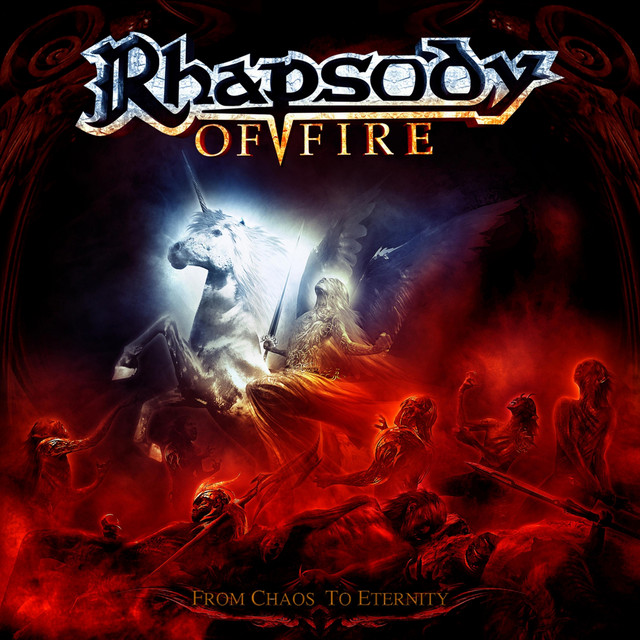
Across the studio albums of twenty one bands working in this style, seventy one songs run nine minutes or longer; thirty five of them are the last track on their record as first issued, forty three sit in its final two places, and nine open one. Half is not a rule. It is not chance either: more than half of those records carry ten or eleven tracks, where the closing slot is one place in ten or eleven and holds half of these songs, while the final two places are a fifth of the sleeve and hold three fifths of them. From Chaos to Eternity is the pattern at its plainest, an intro and seven songs, none of them over six minutes, and then the ninth.
The reason is not ceremony. A closing track has nothing behind it left to damage, so it can afford to lose a third of the room, where the same piece at position three spends the goodwill of everything printed after it. The intention is firmer than the object. Twenty four of those thirty five closers have an extra track behind them on at least one later edition and only eleven stay last on every edition, so the place belongs to the running order a band signed off and not to the disc a buyer ends up with.
The nine that open a record are worth a look, because four of them belong to one project. The project that puts one writer's name on a sleeve and a different singer in nearly every part is Avantasia, and in 2002 it put fourteen minutes and seventeen seconds at the head of The Metal Opera Part II, six guest singers beside Tobias Sammet's own voice on that one track. A cast list is not a song, and a cast has to be introduced before anybody can follow it. That is the business of the power metal concept albums and not of a long song, and it is the one honest excuse for putting the long haul first.
When the form expects an epic
The trouble starts when the closer becomes a fixture. A band that has ended four records with a thirteen minute piece is expected to end the fifth with one, and the sections get written to fill a slot agreed before anybody had an idea worth nineteen minutes. The honest version of that shortcut is Helloween's seventeen minute Keeper medley: three epics out of its own catalogue hacked down and run together under an orchestra, each one trimmed so the next can start. "Halloween" comes through it in four minutes eleven where it once ran thirteen, "Keeper of the Seven Keys" in five minutes thirty nine, and "The King for a 1000 Years" in seven minutes fifteen, which is the whole running time with a second to spare and no room in it for a bar the band had not already written. Length is not the vice here and brevity is not the virtue. Obligation is the fault, and a record that closes on nineteen manufactured minutes hands the unbelieving the easiest case they will ever get.
The band that wrote its epic before any slot existed to be filled was that same Helloween, which gave thirteen minutes and eighteen seconds of a thirty seven minute album to "Halloween" in 1987, and that piece is part of why Keeper of the Seven Keys: Part I sits where it does among the best power metal albums. The test for epic power metal songs has not changed since, and it has nothing to do with a stopwatch. Ask what happens in the last five minutes that could not have happened in the first five. Where the answer is nothing, a band has written a four minute song and sold it by the yard.
