

On 26 April 2011, Sony Music and the Mexican label 666mx put out Hate, Greed and Death, a deathcore record whose line-up had a man on keyboards and turntables.
Founded in Aguascalientes in 2007 by the brothers Tore González on guitar and Deivis González on drums, sent headlong across Mexico and Europe behind a self-titled debut on 666mx and Concreto Records, and fitted out in 2009 with a player called Jero on keys and decks, the crew from central Mexico that wired a turntable into the breakdown was Here Comes the Kraken, and a review of its second album that May reached for the word nu-deathcore and heard "turntable scratching reminiscent of Slipknot".
Nu metal had a DJ. Deathcore never did.
The branch is easy to state and hard to sit still through. Nu deathcore takes the bounce of nu metal, the syncopated groove that came over from hip-hop, with the accent pushed off the beat so a crowd jumps between the kicks instead of nodding on them, and sets it inside a deathcore song that keeps everything else: the low tunings, the guttural voice, the death metal riff where it still fits, and the breakdown underneath it all, still heavy enough to crack the plywood of a basement stage. Some bands add a rapped or rhythmically spoken vocal. A few add samples or a turntable. Every band that belongs to the branch belongs to it through one of those three parts.
Picture a two-bed room at an interstate hotel after a show, the band and half the pit crammed in, a phone speaker on the nightstand, everybody jumping on both mattresses on the off-beat until the springs fire up through the quilted tops and the bed frames slam down onto the carpet on the one, and you have the whole mechanism: the bounce lifts the room between the beats, and the breakdown is the moment the furniture gives out. Nobody headbangs to it. They jump.
What nu deathcore takes from nu metal
Nu metal built its riffs as rhythm figures on one low string, played behind the beat the way a hip-hop drummer plays, with the guitar answering the kick drum rather than racing it, and what separates nu metal from heavy metal is mostly that: the groove is written for the hips, and the solo is written out. Deathcore already owned the low string. It had owned it since the seven-string guitars and the drop A tuning of the MySpace years. What it did not have was the swing.
A classic deathcore breakdown lands like dead weight, square on the downbeat, every hit the same size. The nu version leaves gaps and pushes the hits into them, so the body hears a lift before each drop and goes up with it. Nu deathcore is one of nine branches that rewire a single part of the same song, and the history it belongs to sorts them by exactly that test: what changed in the music. Here the change is the feel of the rhythm and the cadence of the voice. The breakdown stays.
Recorded at The Omen Room in Garden Grove with Steve Evetts producing, released by Century Media on 12 July 2011, and carrying Jonathan Davis of Korn as the guest on "Witness the Addiction", the record that hauled the bounce into the middle of the genre's biggest catalogue was The Black Crown, the third album by Suicide Silence. "Slaves to Substance" opens it, and Century Media gave the song an official video. In the reading of Rock Sound, which scored the album 7 out of 10, the blasts were still there but rationed, partly replaced by "churning, lengthy breaks". The same review found the album at its strongest when the band embraced "a nu metal base". That is the branch, described by somebody who was not looking for it.
The record went in at number 28 on the Billboard 200. The band kept walking in the same direction. For its self-titled album it hired Ross Robinson, the producer of Korn's first two records, and put the record out through Nuclear Blast on 24 February 2017. The choice of producer was the announcement.
The bounce lifts the room between the beats, and the breakdown is the moment the furniture gives out.
Deathcore rap: the voice as a drum
Started in 2003 when a singer from Queens met two brothers from New Fairfield, Connecticut, on an internet message board, signed to Victory for Goodbye to the Gallows in 2007 and kept on that label for six albums, the band that turned the deathcore vocal into a percussive instrument is Emmure. Frankie Palmeri, on vocals, is the one original member left, and he has named Fred Durst of Limp Bizkit and Jonathan Davis of Korn as influences, with the advice of Mike Patton of Faith No More as a guide for his own voice.
Spoken words, rapped lines, growls and shrieks sit side by side in the songs, and the breakdowns come thick between them. Palmeri's lines land like a basketball pounded on the cracked concrete of the lot behind the venue, one slap per syllable, and when the breakdown comes the ball is slammed through the hoop hard enough to tear the rim off the backboard. The rap is not decoration. It is the drum part.
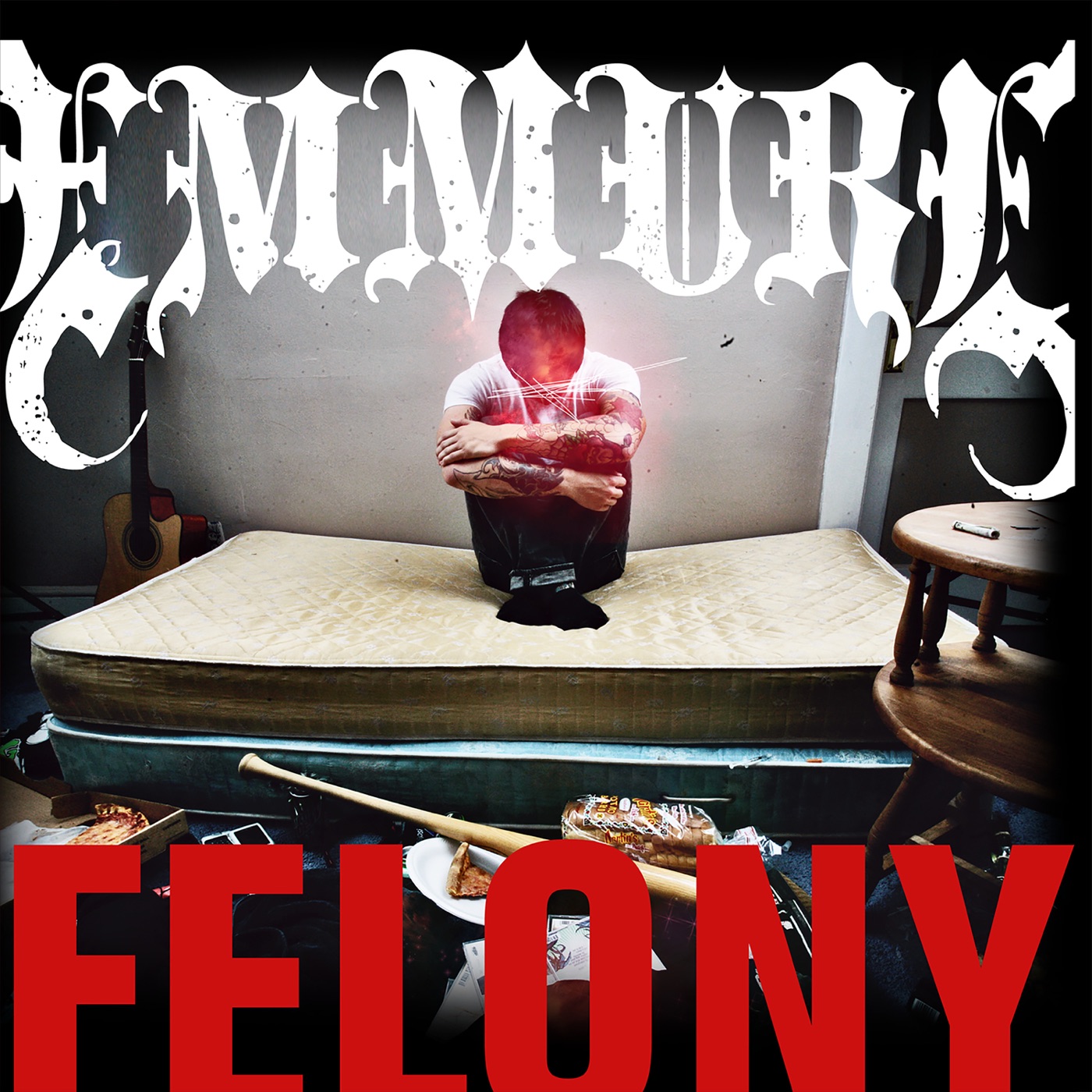
Felony came out on Victory on 18 August 2009, and two months earlier the video for "False Love in Real Life" had gone out on Headbangers Ball, the metal programme on MTV. Speaker of the Dead followed on 15 February 2011, it went in at number 68 on the Billboard 200 with song titles lifted from games and comics: "Demons with Ryu" from Street Fighter, "My Name Is Thanos" from Marvel, "Children of Cybertron" from the Transformers. Hip-hop names its heroes in the verses. Emmure did the same over low guitars.
That cadence is what the phrase deathcore rap means in practice. Not a rapper guesting on a metal record, but a deathcore singer who phrases the verse in rhythmic speech, saves the growl for the drop, so the voice carries the groove instead of sitting on top of it. From 2016 Emmure recorded for SharpTone, with Look at Yourself on 3 March 2017 and Hindsight on 26 June 2020. The method did not change.
Decks, samples and the long way round
The turntable is the rarest part of the branch, and the Kraken is where it actually happened. Jero played keyboards and turntables from 2009 to 2011 and is on Hate, Greed and Death, where a reviewer of the day thought "the turntables actually improve their music". Metal Archives files the band's later work under nu metal as well, and H.C.T.K. came out on 30 November 2019, with Jero long gone. A scratch cut across the bar before a drop works like a cable tie ratcheted tight round the snake behind the stage: one rasp, every wire in the bundle yanked into place, and then the breakdown hauls on the lot.
Other bands took the electronics and left the fifth member out: the samples arrive as layers in the mix rather than as a man at a desk with a crate of records beside him.
Formed in Jesenice, Slovenia, in 2010 and known abroad for slam-heavy deathcore until the end of the 2010s, the band that ripped its own sound apart and rebuilt it on hip-hop, pop, electronic music and Japanese themes is Within Destruction, and "Hate Me", a single of 2020 with an official video on the band's channel and track eight on Yōkai, belongs to that turn. Yōkai arrived on 12 August 2020, trap-edged electronics and all.
Lotus followed on 30 September 2022 through Ultra Heavy, with Lil Lotus guesting on "Dying World", and Metal Archives now files the band's later work as nu metal and metalcore. Then the band doubled back. The Rebirth EP, released without warning on 1 December 2023, went back to a raw, plain deathcore, and Animetal, released by Sumerian on 11 April 2025, went forward again into the electronics and the anime themes. No band shows more plainly that the nu part is a part, something a band can bolt in, take out and bolt in again.
The bounce in the 2020s
The Texas vanguard came first. Formed in San Antonio in 2005, signed to Sumerian and on the Billboard 200 with Red. White. Green. in 2012 and with The World Is My Enemy Now at number 39 in August 2014, the band that Metal Archives files under metalcore, deathcore and groove metal is Upon a Burning Body. The groove metal in that listing is the part that belongs to this branch. Groove metal and nu metal share a floor. Both want the crowd moving rather than counting.
The Russian case is a voice with a groove under it. Formed in Yekaterinburg in 2014, the band whose Kostolom, released by Sumerian on 13 August 2021, set an extremely deep growl over riffs that one review of the album heard as "some american Nu Metal elements" is Slaughter to Prevail. The band is mostly filed as plain deathcore, and Kostolom is the record where the bounce shows.
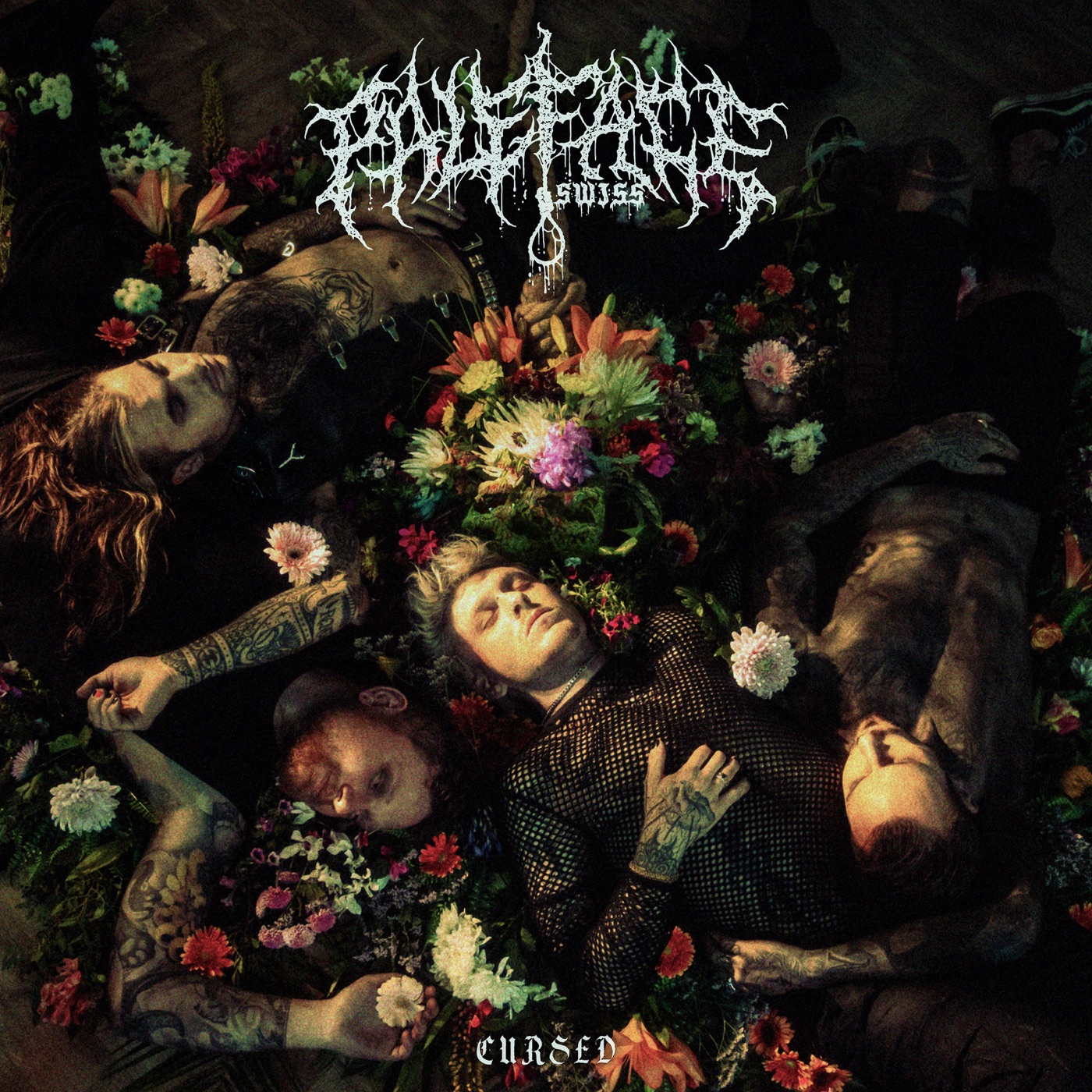
Formed in Zurich in 2017 under the name Paleface, renamed in 2023 because another artist already used it, the quartet that put nu metal groove, beatdown weight and the deathcore drop on one record and took it to number 50 on the German album chart is Paleface Swiss, and the record is Cursed, released on 3 January 2025. Critics file it under beatdown hardcore, deathcore and nu metal at once.
"Hatred" was the first single, released with the album announcement on 26 September 2024, with an official video on the band's own channel. The vocal belongs to Marc Zellweger, known as Zelli, and one review of the album heard him move between "rap-style cadence and guttural screams". The breakdown was never in question. What came back was the swing in front of it.
| Band | From, formed | The nu part | Record to start with |
|---|---|---|---|
| Here Comes the Kraken | Aguascalientes, 2007 | Turntables and keyboards, 2009 to 2011 | Hate, Greed and Death (2011) |
| Suicide Silence | Riverside, 2002 | Groove breaks, Jonathan Davis as a guest | The Black Crown (2011) |
| Emmure | New Fairfield, 2003 | Rapped and spoken vocal | Speaker of the Dead (2011) |
| Upon a Burning Body | San Antonio, 2005 | Groove metal riffs under the breakdown | Red. White. Green. (2012) |
| Within Destruction | Jesenice, 2010 | Hip-hop, pop and electronic layers from 2020 | Yōkai (2020) |
| Slaughter to Prevail | Yekaterinburg, 2014 | Riffs between deathcore and nu metal | Kostolom (2021) |
| Paleface Swiss | Zurich, 2017 | Nu metal groove over beatdown weight | Cursed (2025) |
Where the branch stops
Two edges hold the branch in place. Take away the guttural voice and the death metal riff and the result is nu metalcore, the metalcore progeny of the same idea, with a sung chorus where the drop used to be. Take away the swing and keep a slow hardcore groove, and the result is beatdown, where the crowd two-steps and swings its arms instead of jumping. Emmure and Paleface Swiss both stand close to that second edge, and both stay on this side of it for one reason: the bounce. A two-step wants a groove that sits; a jump wants one that lifts.
The other branches of the genre went in different directions from the same song. The one that pulled furthest from the bounce runs through deathgaze and atmospheric deathcore, where reverb swallows the riff and nobody on the floor is jumping at all.
The record, then, is plain. A deathcore band becomes a nu deathcore band when it changes the feel of the rhythm or the cadence of the voice and keeps the breakdown, and it can stop being one with the next record, as Within Destruction showed twice in five years. Seven bands, seven different parts bolted on. The test is the same for all of them: whether the crowd goes up before the drop.
