
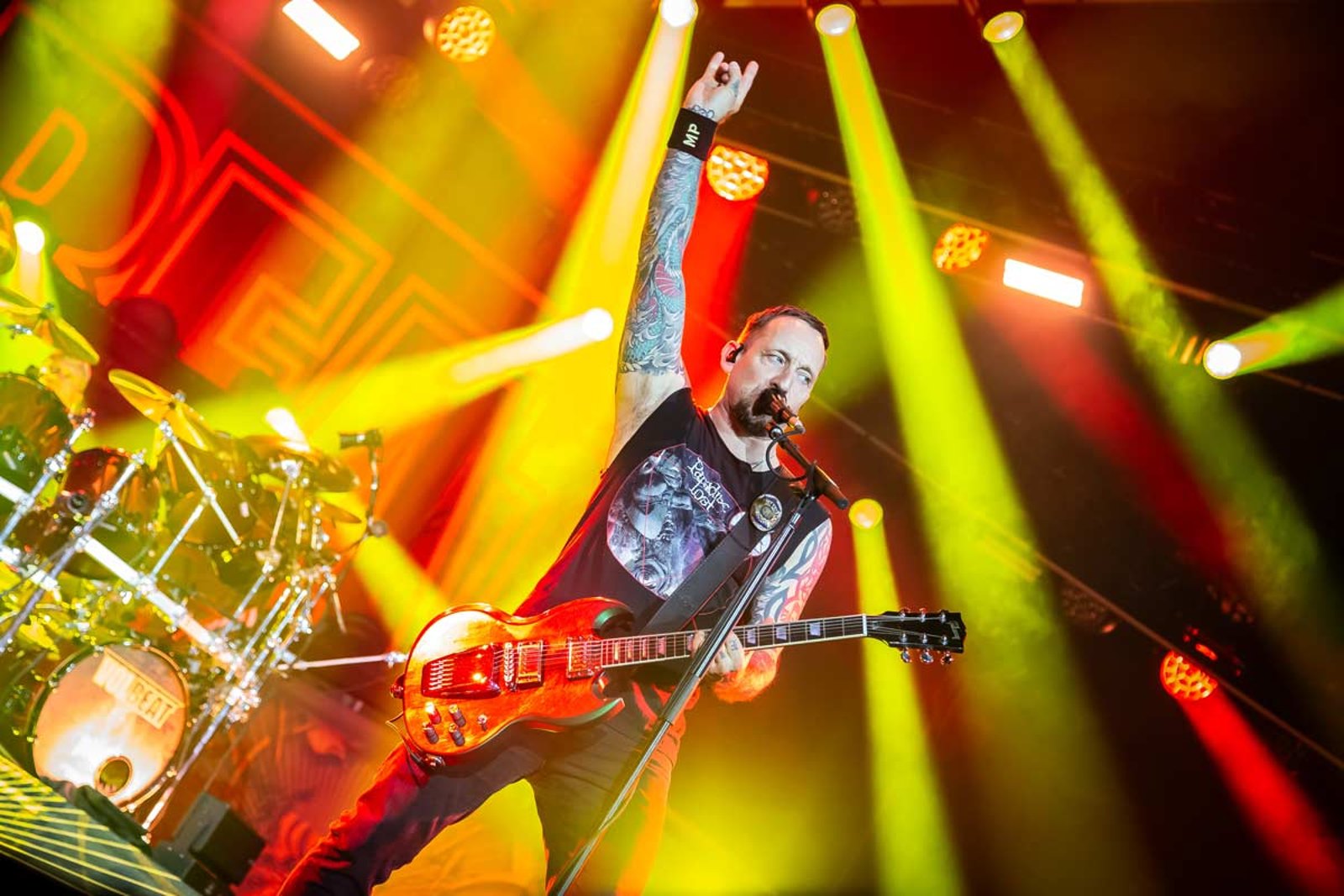
In the spring of 1974 WMMS in Cleveland put the needle down on "Working Man", the seven minute closing track of an independent Canadian debut nobody in Ohio had heard of, and the station's phones filled with listeners asking where they could buy the new Led Zeppelin record. The music director who picked the record was Donna Halper. Mercury Records signed the band before the year was out.
The Toronto trio on that record, which had pressed the album on its own Moon label that March after every Canadian major turned the band down, was Rush, and within two years it had shed the riff-first hard rock of "Working Man" for side-long science fiction suites in odd meters, leaving the debut behind for the metal fans to argue over. It is one of the oldest arguments about rock and heavy metal bands. It is not the only one.
A chalk outline on a pavement keeps the exact shape of the man who went down there, the bent knee, the flung arm, the angle of the skull against the flagstone where it struck, and not one ounce of the man himself. The body is already in the van. The outline stays for the crowd to argue over.
Rock and heavy metal bands of the seventies and eighties left outlines like that all over the record racks: one album, sometimes one side, shaped exactly like heavy metal and empty of the band that had made it. The tests that decide the border, from the drummer's right foot to the subject of the song, are laid out in the wider story. The bands below are the cases those tests were written for, and each is settled by where it went next.
Rock and heavy metal bands of the seventies
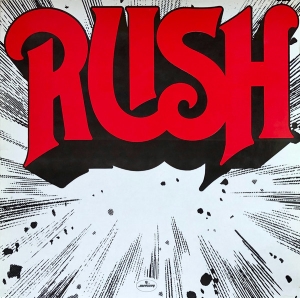
Rush climbed out of that first record fast. Neil Peart replaced John Rutsey on drums on 29 July 1974, and from then on the lyric sheet read like a library, the riffs kept on only to haul a twenty minute suite about a computerised priesthood across the whole first side of 2112 in 1976, heavy in places and never once built for the neck. Verdict: progressive rock, with a hard rock debut that points at metal.
The London five whose debut came out on Vertigo in 1970 as ...Very 'Eavy ...Very 'Umble, with a Hammond organ grinding under every riff and David Byron's harmonies stacked up into falsetto, were Uriah Heep. The organ and the choirs went into power metal's pedigree. The band itself kept one foot in progressive rock and the other in the pub, and hard rock is where it spent its evenings.
The Cardiff trio who put "Breadfan" on Never Turn Your Back on a Friend in 1973, a riff driven at a speed thrash would not reach for another decade, were Budgie, and Metallica recorded the song for the B side of "Harvester of Sorrow" in 1988. No seventies band has a better claim to the other side. Verdict: heavy metal, before most of its audience had a name for it.
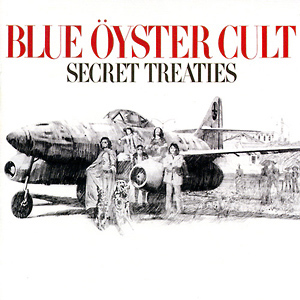
The Long Island five whose producer, Sandy Pearlman, set out to build an American reply to Black Sabbath were Blue Öyster Cult, and "Cities on Flame with Rock and Roll", from the 1972 debut, opens on a riff listeners have long traced back to Sabbath's "The Wizard". Secret Treaties, in 1974, is the band's heaviest record. Its best known song, "(Don't Fear) The Reaper", is a soft rock hit with a cowbell. Verdict: hard rock that dressed in metal's dark clothes.
The Boston five whose Toys in the Attic, released by Columbia in April 1975, carried "Walk This Way" on a funk beat and a guitar riff that bounces like a basketball driven down an empty court, slapped hard into the boards on every beat and never allowed to rest there, were Aerosmith. Every metal band of the next decade stole their swagger. Not one of them stole the swing. Verdict: hard rock, and never in doubt.
The Phoenix-born band that hanged its singer from a stage gallows on the 1971 tour, then chopped baby dolls apart under the lights two years later behind Billion Dollar Babies, a record that reached number one on the Billboard 200 in the spring of 1973 and turned the whole spectacle into a stadium business, was the Alice Cooper group. Metal inherited the show wholesale, from W.A.S.P. to King Diamond. The songs underneath were garage rock with horns. Verdict: hard rock, and the stage heavy metal learned from.
One album, sometimes one side, shaped exactly like heavy metal and empty of the band that had made it.
The eighties: dressed like metal, swinging like rock
The decade put the two musics into the same stage clothes and the same video rotation, which made the sorting harder and the verdicts no different. Eddie Van Halen's two-handed tapping rewired every metal guitarist of the eighties, yet the Pasadena four behind it swung like the bar band they had been, and they were Van Halen, with David Lee Roth flirting with the room rather than hurling notes over it. Verdict: hard rock with a metal guitarist's hands.
Guns N' Roses came off the same Los Angeles clubs as the hair bands with a sound built from the Rolling Stones, Aerosmith and the Sex Pistols, and Appetite for Destruction in 1987 sold on sleaze and swing rather than on any riff a metal band would sign for. Slash tears "Welcome to the Jungle" open with a shriek of delayed guitar and then settles into a strut any Rolling Stones fan could dance to. Verdict: hard rock, loud enough to be mistaken.
Since 2000: the line moves again
The Swedish band that took the Grammy for Best Metal Performance in February 2016 with "Cirice", led by a singer in the robes of a skeletal anti-pope, is Ghost, and by common consent its hooks come from the pop radio of 1976 while its ritual comes straight out of Mercyful Fate. The costume is metal to the bone. The songs are rock. Verdict: rock, wearing heavy metal's creed as a stage costume.
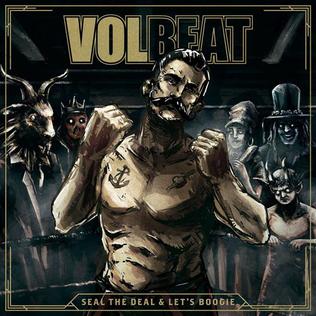
The Copenhagen band that bolted rockabilly and Johnny Cash to metal riffs, recorded "Room 24" with King Diamond in 2013 and followed it with Seal the Deal & Let's Boogie, released on Vertigo in June 2016, is Volbeat, and Michael Poulsen sings every verse like a crooner leaning on a jukebox while the guitars kick the stools out from under the regulars. It is the rare case that genuinely sits on the line. Verdict: both, on purpose, and proud of it.
The Lowestoft four who took a falsetto, a catsuit and a set of twin guitar harmonies to number one on the British album chart with Permission to Land in 2003 were The Darkness, and half the audience never decided whether the band was paying tribute to heavy metal or mocking it. The riffs ride on AC/DC's boogie and Queen's harmonies. Verdict: hard rock, affectionate to the point of parody.
The verdicts, band by band
- Rush: progressive rock, with a hard rock debut that points at metal.
- Uriah Heep: hard rock, with an organ and a choir power metal inherited.
- Budgie: heavy metal before the word had settled.
- Blue Öyster Cult: hard rock in metal's dark clothes.
- Aerosmith: hard rock, never in doubt.
- Alice Cooper: hard rock, and the stage metal learned from.
- Van Halen: hard rock with a metal guitarist's hands.
- Guns N' Roses: hard rock, loud enough to be mistaken.
- Ghost: rock, wearing a metal rite.
- Volbeat: both, on purpose.
- The Darkness: hard rock, fond of the costume.
Nine of the eleven are rock bands, and the loudest record each one made is the one its metal fans quote, which is exactly the record that says least about the band. Which word belongs on the verdict when the band really is metal, the long one or the short one, is its own quarrel, taken up in heavy metal vs metal. The vanguard of the argument never changes. It is always the next band with a loud first album.
