
Is Crowbar sludge metal? Yes, and the band Kirk Windstein renamed Crowbar in New Orleans in 1991 belongs among the handful of groups that fixed what the word means. The yes carries a qualification, and the qualification is the whole of this piece: the sludge in Crowbar lives in the riff, the tempo and the ground the band grew out of, while the voice laid over it, the hardcore swing that keeps breaking through and the slogans in the label copy come from older and more melodic traditions that Windstein has never tried to hide.
Watch a pile driver at work on soft ground and the method of this band is in front of you. The ram is winched to the top of the leads, held there a moment too long, then dropped with its whole leaden weight onto the head of a steel pylon, and the wet earth gives the pylon up a hand's width at a time, blow after blow at the same slow interval, until the point finds a layer that will bear a building. Crowbar's riffs fall like that ram, one weighted downstroke and a silence before the next, and the soft ground they are driven into is sludge. The pylon, straight and meant to stand, is the song, and the song is what separates this band from the rest of the ugly half of doom it helped to build.
Crowbar hammers its riffs into sludge. What it drives down with them is a song, and a song is built to stand up straight.
The riff and the tempo: where the sludge is
Born out of the New Orleans hardcore band Shell Shock and passed through the names Aftershock, Wrequiem and The Slugs before the last rename, the group came to slowness by choice. The players were tired of thrash because everybody else was playing it, Windstein told Paul Travers of Kerrang! in May 2020, and the drummer who drove him to rehearsal, Jimmy Bower, also a guitarist in Eyehategod, kept the same few tapes in the car: the first two records by the Melvins, Carnivore and Black Sabbath. That is the sludge lineage, whole, on one car stereo.
Jimmy used to pick me up for band rehearsal and we would listen to the Melvins' first two records, Carnivore's Retaliation and some Sabbath, and that's all we would listen to.
Kirk Windstein, interviewed by Paul Travers, Kerrang!, 21 May 2020
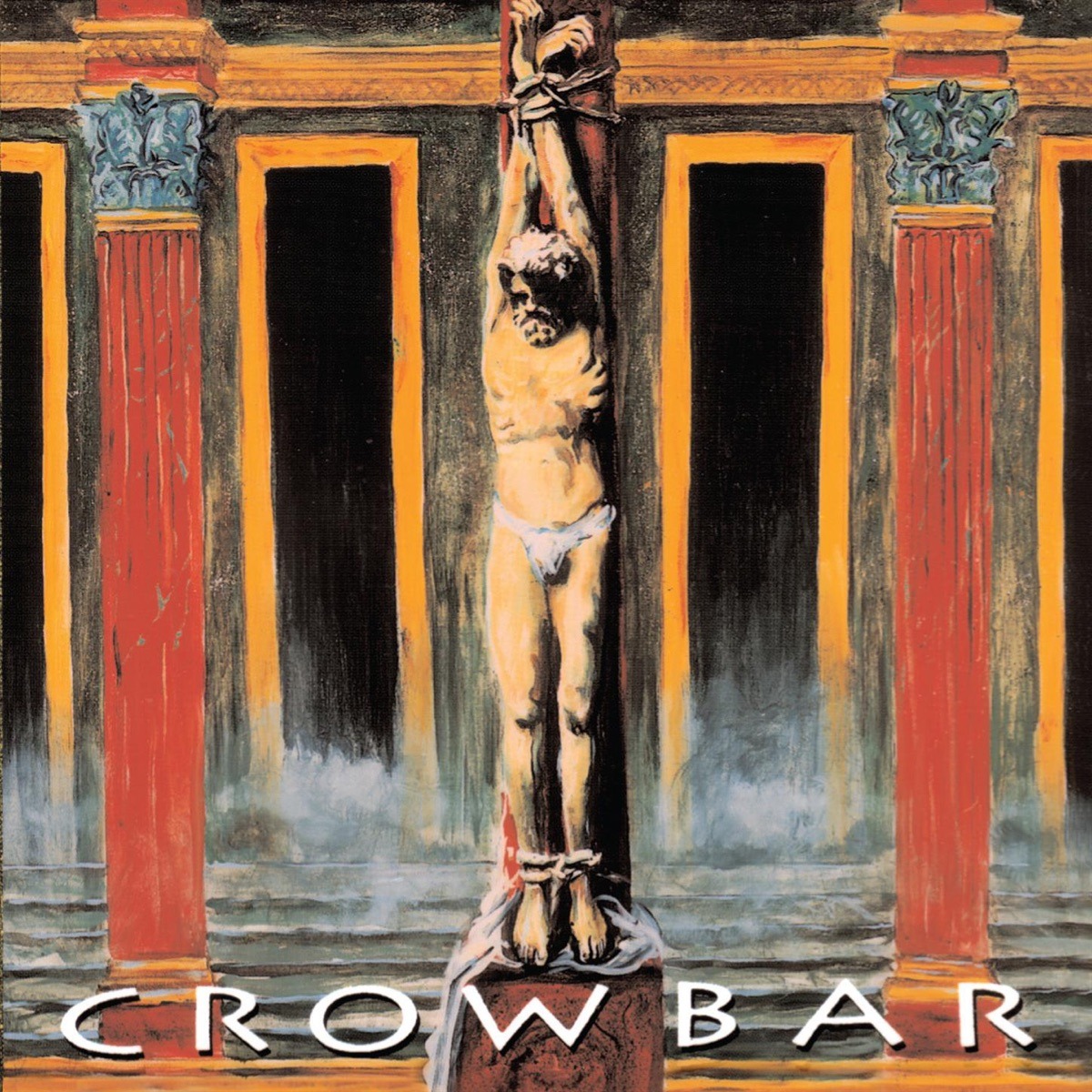
Recorded at HT Recording Studios in Chalmette, produced by Windstein's childhood friend Phil Anselmo of Pantera and released by the independent label Pavement Music in October 1993, the self-titled second album puts the first half of the answer beyond argument: thirty-six minutes in which "Existence Is Punishment" and "All I Had (I Gave)" drag a riff as thick as tar across the beat and flatten every chorus beneath it. The record earned the band national promotion on Headbangers Ball, MTV's weekly metal programme, both videos were mocked on the MTV cartoon Beavis and Butt-Head, and the album reportedly sold around 100,000 copies. It is sludge. The tempo alone convicts it.
The New Orleans floor and the band next door
Crowbar did not find that tempo alone. In the same interview Windstein described an old green warehouse The Slugs shared with Eyehategod and Graveyard Rodeo and credited The Meters, Dr. John and the Neville Brothers for the New Orleans habit of drumming behind the beat. Dean Brown, writing in The Quietus on 27 June 2014, traced that lagging feel to Dr. John and heard in it the crawl of all three bands of the circle, Down, Crowbar and Eyehategod. Crowbar carries that drag in its bones.
Set the two neighbours side by side and the difference is audible at once. Eyehategod leaves feedback howling between its riffs like a truck engine left idling by a driver gone for a drink, while the quartet from the green warehouse cuts the engine between blows and lets the silence ring before the next chord comes down. Greg Pratt of Decibel set Crowbar's 1993 album against Take as Needed for Pain on 28 October 2021, heard "heavy music as pure emotion" on one side and a grotesque masterpiece on the other, and gave the round to Eyehategod; Brown had called Crowbar a band of traditionalists and Eyehategod the innovators. Neither reading makes Crowbar less sludge. It makes it the tidier kind.
The next two albums kept to the method. Time Heals Nothing, produced by the band at Ultrasonic Studios and released by Pavement on 23 May 1995, runs from the three-minute "The Only Factor" to the six minutes of "Through a Wall of Tears", and Broken Glass, out on 29 October 1996 with Simon Efemy producing, Bower on drums and Anselmo adding vocals, sent "Like Broken Glass" out as a video. Neither moves the verdict an inch.
The voice, the swing and the slogan: what is not sludge
Here the yes begins to qualify itself. The usual definition holds that what separates sludge from the other styles built on doom is the aggression of hardcore punk, above all the screamed voice, and Windstein does not scream. He sings. His low, hoarse voice holds a pitch and follows a melody and owes more to classic rock than to Mike IX Williams tearing at a microphone, and he told the interviewer Concrete Spew in August 2025 that it is very throaty but sung from the diaphragm. Put that voice over Eyehategod's riffs and the result would not be sludge. Over Crowbar's, it is the pylon standing straight in the mud.
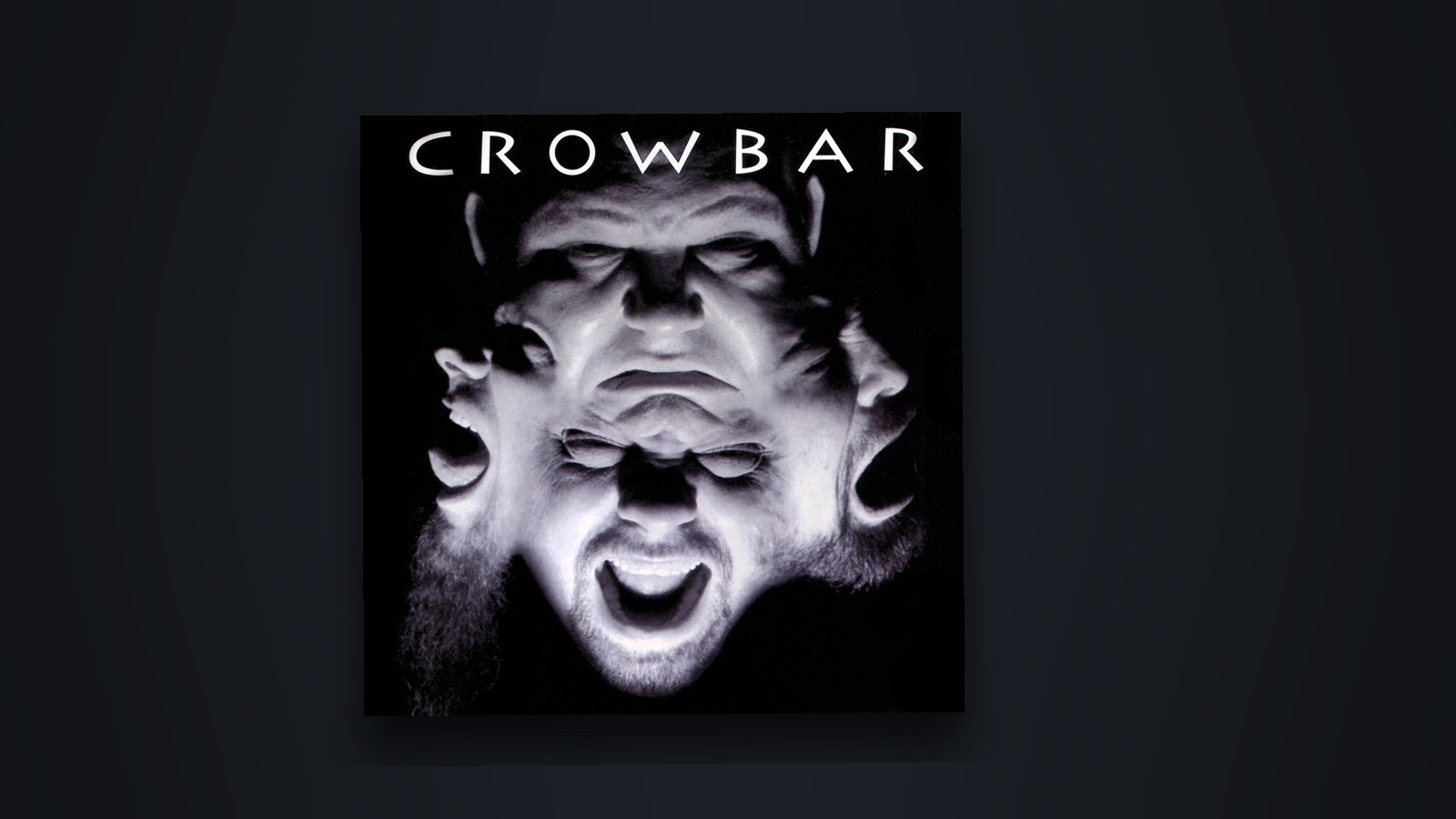
Nowhere does the pylon stand taller than on Odd Fellows Rest. Named after the Odd Fellows Rest cemetery in New Orleans, recorded at Festival Studios in Kenner with the drums cut at Ultrasonic, produced by Keith Falgout with the band and released by Mayhem Records in July 1998, the fifth album was the first with Sammy Duet of Acid Bath on guitar and the last with Bower. Windstein told Kerrang! in November 2019 that he had been afraid to show "Planets Collide" to the others because it might be too melodic, that it was basically a two-riff song, and that this was the record on which he threw the Crowbar rulebook out of the window. The riff never lets go of its weight; what changed is that the voice now carries the song. The sleeve says the same thing in a picture, the faces of the four members laid over one another into a single many-featured head. Twenty years after its release, on 20 April 2018, Crowbar played the album from the intro to the title track at Roadburn, the heavy music festival in Tilburg in the Netherlands, and announced a hometown anniversary show of the same record in New Orleans for that August.
The hardcore in Crowbar is the second thing that is not quite sludge. The band's own Bandcamp biography speaks of a brooding swamp of doom and caveman hardcore, and on record it arrives as a burst of pace breaking through the crawl, as in "Ageless Decay" on Symmetry in Black in 2014, which Brown singled out for its hardcore punk heritage. Eyehategod uses hardcore as a fever. Crowbar uses it as a gear change. The slogans are the easiest piece to set aside: the announcement of the twelfth album in December 2021 sold it as the most "unforgivably doomy" Crowbar record since 1998, and the release page promised "crushingly heavy music". Neither phrase is a genre.
The later records, and the answer in 2026
Every record since has confirmed the verdict rather than overturned it. Sonic Excess in Its Purest Form, released by Spitfire on 21 August 2001 with Dave Fortman producing and Duet still on second guitar, opens on "The Lasting Dose". Lifesblood for the Downtrodden followed on Candlelight in 2005 with Rex Brown of Pantera on bass, then Sever the Wicked Hand in 2011, Symmetry in Black on eOne in 2014 and The Serpent Only Lies in 2016.
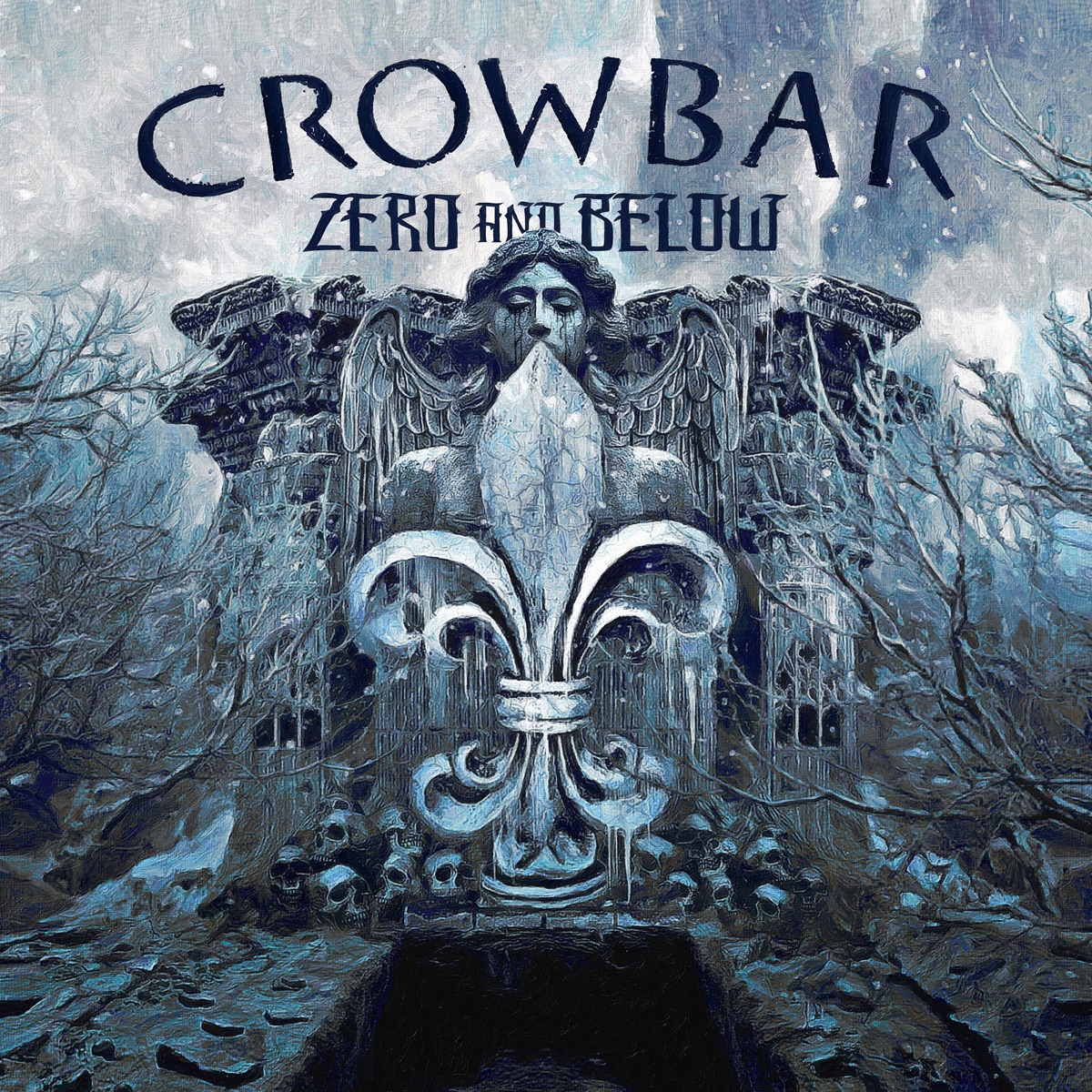
Produced by Duane Simoneaux at OCD Recording and Production in Metairie and released by MNRK Heavy on 4 March 2022, Zero and Below is the twelfth, and Windstein, speaking to the Does It Doom? podcast in 2020 before the record came out, called it one of the only Crowbar records he was happy with in every respect, riffs, tones, lyrics and singing. "The Fear That Binds You" opens it and "Chemical Godz" was the first single. The riffs still fall like the ram, one weighted blow at a time, beneath a voice that sings.
Crowbar and Eyehategod toured the United States together from 7 August 2025, with Windstein playing seated; in the same Concrete Spew interview he said his chiropractor and his acupuncturist had both found a herniated disc in his lower spine, and in November 2025 he told The Jasta Show that his recovery was improving day by day. On 7 January 2026 the two bands announced a second co-headlining tour, from Chelsea's Live in Baton Rouge on 19 March to Tipitina's in New Orleans on 18 April.
The verdict, blow by blow
| Element | Sludge? | Evidence |
|---|---|---|
| Tempo and weight | Yes | "Existence Is Punishment", Crowbar (1993) |
| Riff lineage | Yes | Melvins, Carnivore and Black Sabbath, by Windstein's account |
| Drums behind the beat | Yes | The New Orleans scene shared with Eyehategod |
| Vocals | No | Sung and melodic, "Planets Collide", Odd Fellows Rest (1998) |
| Hardcore | Partly | A change of pace, "Ageless Decay", Symmetry in Black (2014) |
| Label slogans | No | "Unforgivably doomy", the Zero and Below announcement (2021) |
So the answer stands where it began. Crowbar is sludge metal, one of the few bands the style cannot be described without, and the ram and the soft ground are sludge from the first record to the last. The pylon is Kirk Windstein's own, a singer's song built to stand upright, which is why Crowbar sounds like nobody around it even when its riff is the heaviest thing in the room. The band from Houma that lent it a guitarist for Odd Fellows Rest poses the opposite problem, and that is where the next question starts: is Acid Bath Sludge Metal, or something the word was never built to hold?
