
Progressive doom is not a branch of doom metal, and our verdict, which the rest of this page defends, is this: the term names a way of engineering a doom record, and the record stays doom for exactly as long as all that engineering is spent holding the weight up rather than taking it away. Odd metres, twelve-minute forms, a piano interlude, a death growl handed to a soul singer inside a single chorus: none of it disqualifies a record, and none of it qualifies one either. The test is whether, when the arithmetic is finished, something heavy still hangs from it. Most records sold under the name pass. The Texan band at the centre of this page failed the test once, in 2022, by design, and passed it again two years later.
The picture we keep in front of us is a suspension bridge. Hung from two towers by steel cables, each strand strung to a tension calculated so that its pull answers the pull of every other, the deck of such a bridge sways slowly under the traffic and the wind, and it is the load that keeps the rigging taut: take the deck away and the cables go slack, a set of wires strung between two towers holding up nothing at all. Progressive doom is that span. The cables are the time signatures and the composed movements, the load is the leaden riff at walking pace that doom has carried since 1970, and a band may add as much tensile cleverness as its members can play, provided the weight still hangs underneath. On our map of doom metal subgenres we drew the term as an overlay rather than a channel; here we take the overlay apart and find the point where it stops bearing any weight.
Our eclectic musical mixture is there because we're a prog band, but the idea and the journey that is the album stays central.
Cammie Beverly, then credited as Cammie Gilbert, of Oceans of Slumber, interviewed by Elliot Leaver, Distorted Sound Magazine, 26 February 2018
What the word progressive adds to a doom record
The word describes a set of habits rather than a sound: metres that refuse to settle into four, songs built in movements rather than verses, harmony that travels instead of circling the same few chords, instrumental passages given as much room as the voice, and a readiness to change style inside one song. One of the earliest records on which those habits met a doom riff and survived is Condemned, the 1991 debut of the North Carolina quintet Confessor, released by Earache at the height of the death metal boom and taken on the Gods of Grind package tour alongside Carcass, Cathedral and Entombed. Two Decibel writers who agreed on almost nothing else about the album heard the same machine in it. In 2011 Chris Dick described the riffs as Trouble meeting Rush meeting the Tampa death metal scene; in 2017 Greg Pratt's retrospective in the same magazine placed those riffs at the altar of Trouble and noted that the drummer Steve Shelton rarely kept a straight beat for more than a few snare hits.
Fronted by Scott Jeffreys, who told Pratt in a 2005 interview for Brave Words and Bloody Knuckles that the lack of melody in the music had made him feel he had to scream over it, the band made a doom record on which the rhythm section dismantles the beat bar by bar and the riff comes through every demolition intact, a tolling bell struck in a different metre each time it swings. The quintet split in 1994 before a second album and needed until 2005 to release one, Unraveled.
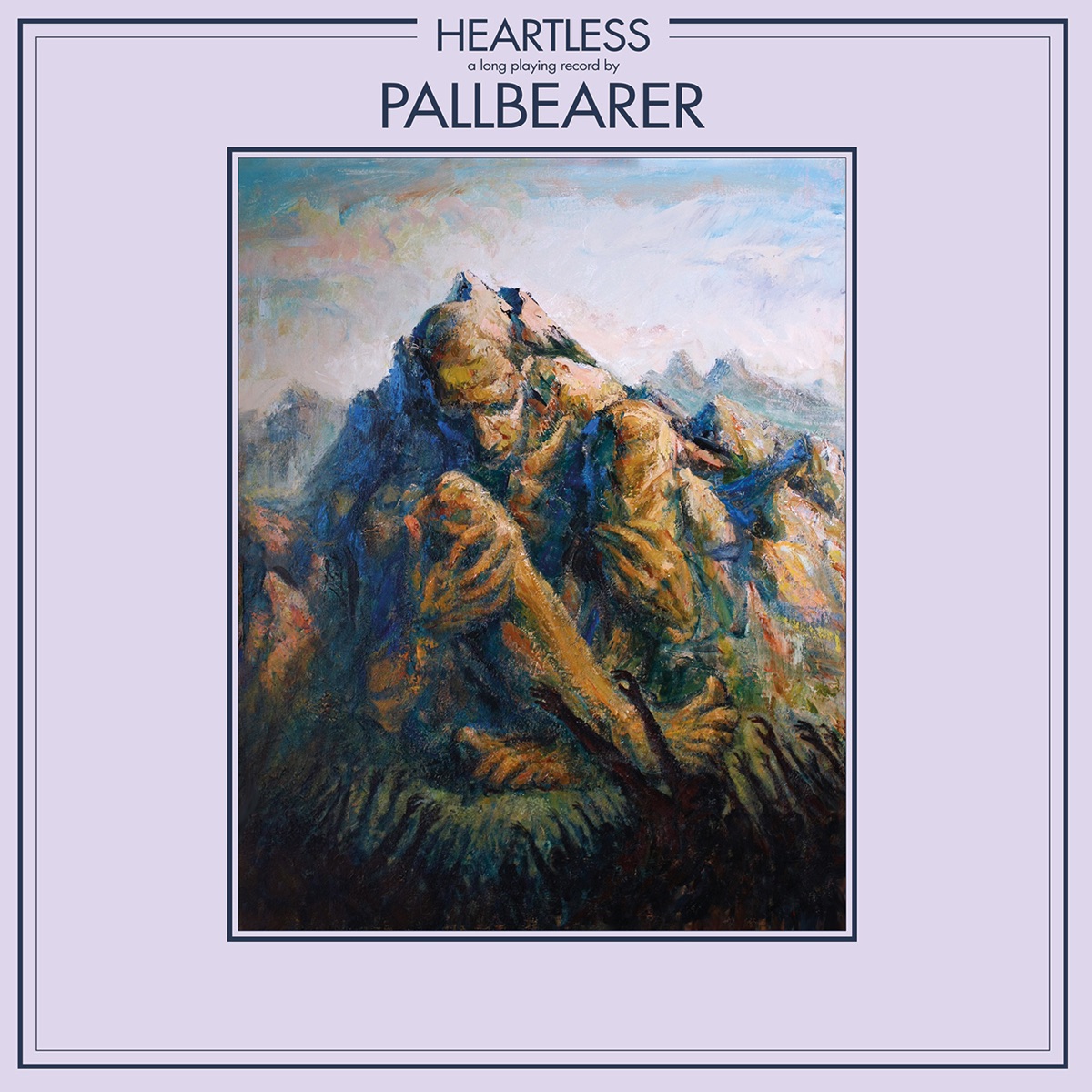
Twenty-six years later the Arkansas quartet Pallbearer, whose first two albums had both been named Best New Music by Pitchfork, carried the same habits into the main channel. Heartless, released by Profound Lore on 24 March 2017, runs seven songs across an hour, with "A Plea for Understanding" closing at twelve minutes and forty seconds. The critics divided along exactly the line this page is about. Andy O'Connor, reviewing it for Pitchfork, wrote that the band's "deep cauldron of metal, prog, and doom influences" failed to come together on the record, while Thom Jurek at AllMusic heard a maturation that left the band's foundations in place. Both reviews agree on what the record is made of. They disagree only on whether the cables held.
Oceans of Slumber: the whole argument in one discography
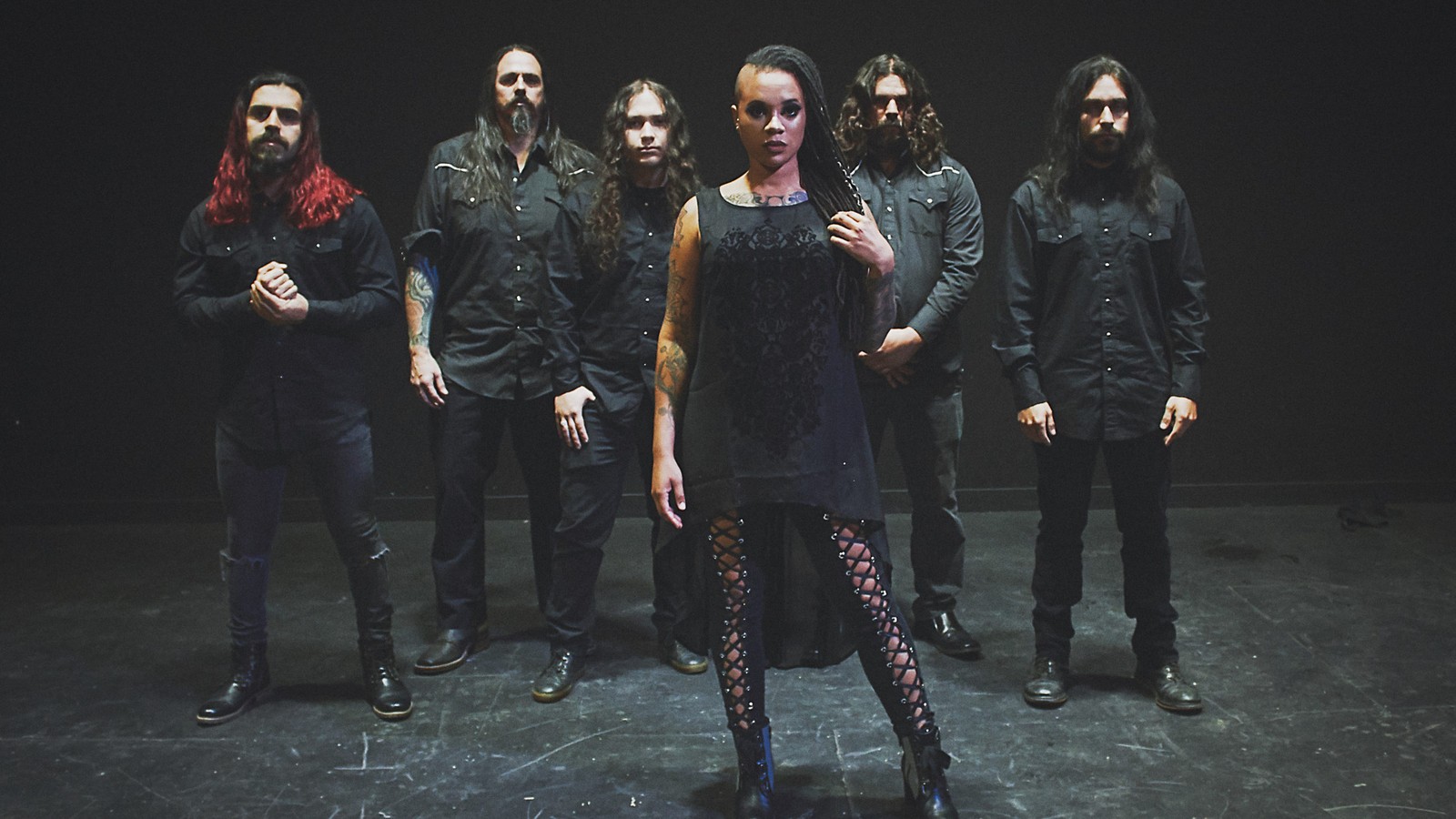
Formed in Houston in 2011 around the drummer and pianist Dobber Beverly, the Texan band whose records run through the whole argument of this page, Oceans of Slumber, self-released a debut, Aetherial, in February 2013 with the singer Ronnie Allen, and became a different proposition in 2014, when Cammie Beverly, credited as Cammie Gilbert on the band's records up to 2020, took over the microphone. Signed by Century Media, the band issued the Blue EP in 2015 and Winter on 4 March 2016, then spent that spring on a European tour supporting My Dying Bride. Metal Hammer heard Winter wander from extreme black and death metal through what it called "contemplative doomy crush" into progressive music.
The Banished Heart, released on 2 March 2018, is the record on which the doom in that description became load-bearing. Its sessions were, in her words to Distorted Sound, made more spread out and difficult by Hurricane Harvey scattering everything. The reviews converged on the weight. Gonzalo Pozo at Sonic Perspectives heard the guitarists Anthony Contreras and Sean Gary lay a plodding riff in the manner of Saint Vitus under her voice in "The Decay of Disregard" and called "At Dawn" blackened doom, and Metal Temple heard the same nine-minute opening song as a dirge and named the title track, ten minutes long by Pozo's count, the longest on the album.

By the next record the rigging had been restrung. Between the two records both guitarists and the bassist left, and the credits of the 2020 album name Jessie Santos and Alexander Lucian on guitar and Semir Ozerkan on bass. Released by Century Media on 4 September 2020, Oceans of Slumber is the fullest statement of progressive doom in the band's catalogue: twelve songs across seventy-one minutes, doom riffs opening "The Soundtrack to My Last Day" before the song drops into clean passages with death metal pushing through them, blackened death metal breaking into "Total Failure Apparatus" after an orchestral stretch and Type O Negative's "Wolf Moon" at the close. Sonic Perspectives and Metal Temple, reviewing it nearly three months apart, both heard a progressive metal record reaching into doom, gothic and death metal, and both flagged the length: a titanic listening commitment for one, a beast to handle for the other. Every cable pulled against another. The load hung from all of them.
Where the load comes off
Then the band took the deck away. Starlight and Ash, released by Century Media on 22 July 2022, dropped the harsh vocals and most of the metal guitar, and three separate accounts describe the same removal. Cammie Beverly told Will Marshall of Distorted Sound in August 2022 that the change meant "moving away from being so technical and instrumental, to be more vocally focused", and the band gave the result a name of its own, the new Southern Gothic. Metal Temple's reviewer wrote that the harsh vocals, the prog metal leanings and the heavy guitar were gone, and Gonzalo Pozo filed it under Southern Gothic rock and progressive doom rock and heard the band inch away from its metal foundations. Even the critic who kept the word doom had to put rock after it. The cables still hang between the towers, and nothing heavy hangs from them.
Take the weight off a progressive doom record and the arithmetic is still there. What has gone is the reason anyone built it.
What came next is why the case matters. According to Elliot Leaver's review for Distorted Sound, Century Media were less taken with the new direction than the critics and the two parted; Season of Mist signed the band in August 2023, and Dobber Beverly called the move a gateway to "fully embracing the raw, heavier direction" the band had been forging. Where Gods Fear to Speak, released on 13 September 2024, brought the extremity back, with Cammie Beverly growling on record for the first time by the same review's account. The load went back on the span. A band that can lift the weight off and hang it back on has shown that the weight was always a decision, never a by-product of the complexity.
The older precedent never came back. Having begun to trade the growl for clean singing on Eternity in 1996, the English band Anathema released Judgement through Music for Nations on 21 June 1999 and spent the next two decades as a progressive rock band, which is how Sonic Perspectives filed The Optimist in 2017, until an indefinite hiatus announced in September 2020. Vincent Cavanagh told Decibel in October 2013 that when the band's music shifted away from metal it became more honest. We take him at his word, and we take the records at theirs: the cables stayed taut, and they were holding up a different bridge.
Which records earn the name
The records that earn the term are the ones on which the composition is spent on the weight. Condemned qualifies, because its drums take the beat apart under a riff that never stops dragging. The Banished Heart and the 2020 Oceans of Slumber qualify, because their changes of style inside a song are laid over doom riffs rather than in place of them. Heartless qualifies in its long closing songs, cohesive or not. The records that do not are the ones where the complexity has been freed of its load, Starlight and Ash and Judgement among them, however good they are as songs. The neighbouring border, where a tune rather than a metre begins to carry the weight, is the question of melodic Doom Metal. Put a single question to any record sold as progressive doom: if the drummer's arithmetic stopped, would something heavy fall? If it would, the name is earned. If nothing would fall, it is progressive rock with a doom past.
