
A motion and a spirit, that impels
All thinking things, all objects of all thought,
And rolls through all things.William Wordsworth, Lines Written a Few Miles above Tintern Abbey
Picture the oldest light show there is. Two clock-face glass dishes lie on an overhead projector at the back of a hall, the lower one holding a skin of coloured oil over dyed water, and every time the operator presses the upper dish down into it and lifts it away, the colours thrown on the wall behind the band split, spread, swallow one another and close, never cutting, only bleeding, and when the band is playing a riff at the pace of a dirge the operator's hand falls into that pace, so that the shapes swell and part at exactly the speed of the chords beneath them. That is psychedelic doom in a single picture. The weight is on the stage. The colour is on the wall, and it moves only as fast as the weight will let it.
On our map of the doom metal subgenres this name sits among the overlays, and nothing here takes that back; what we do instead is take the overlay apart and name its working parts, because a listener who knows them can hear, inside five minutes of a record, where it parts from stoner and from plain traditional doom. The riff is played as a loop rather than as a statement. Delay, phaser and synthesiser are written in as instruments rather than laid on as decoration. The voice is set back into the mix as one more layer. And the songs grow into suites in several movements. None of this touches the tempo. The pulse stays leaden.
The word is older than the music. The psychiatrist Humphry Osmond coined "psychedelic", which he glossed as mind-manifesting, in his letters to Aldous Huxley in 1956 and put it before the New York Academy of Sciences in a paper the Academy printed in 1957, as a name for the class of drugs he was researching, and within ten years it also named a kind of rock music and the liquid light shows that surfaced on both sides of the Atlantic around 1966. Doom took the music and the light from that decade. What it kept of them is structure, which is why it can be heard on a record.
Stoner doom moves the body in the room. Psychedelic doom moves the colour on the wall, and it moves it no faster than the riff allows.
The riff as a place: where it parts from traditional doom
Traditional doom writes sermons. Built on verse and chorus, on a singer standing at the front of the sound and delivering a text over riffs that state their business and hand over to the next, the music Saint Vitus made on Born Too Late for SST in 1986 is constructed like an argument, and it tolls the hour rather than filling it. Psychedelic doom keeps the tempo and the tonnage and throws the rhetoric out of the window. The riff stops arguing. It becomes the room the listener sits in.
Produced by the band with Billy Anderson, who engineered it at Division Hi-Fi, and released by Man's Ruin Records on 1 September 1999, the second album by the San Francisco trio the guitarist and singer Lori S. had formed in 1993, Acid King, is Busse Woods: six songs across just under forty-six minutes, not one shorter than six, with Brian Hill on bass and Joey Osbourne on drums, and "Carve the 5" dragged out to nine and a half. The title is the local name for the Ned Brown Forest Preserve in the Chicago suburbs, where, in the band's own account, Lori S. used to meet friends as a teenager who hung around with their car boots open, playing music loud and selling drugs, until the police caught on.
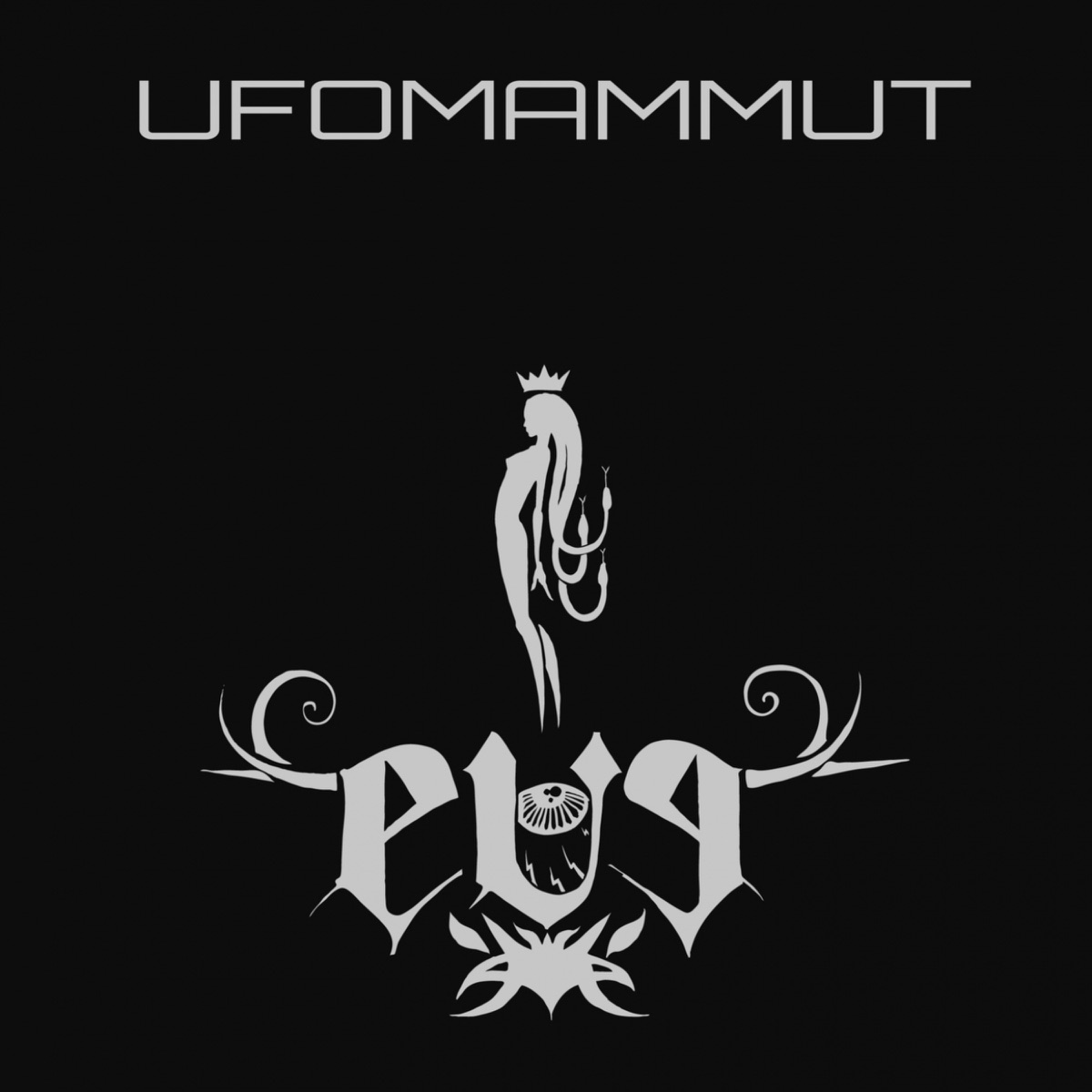
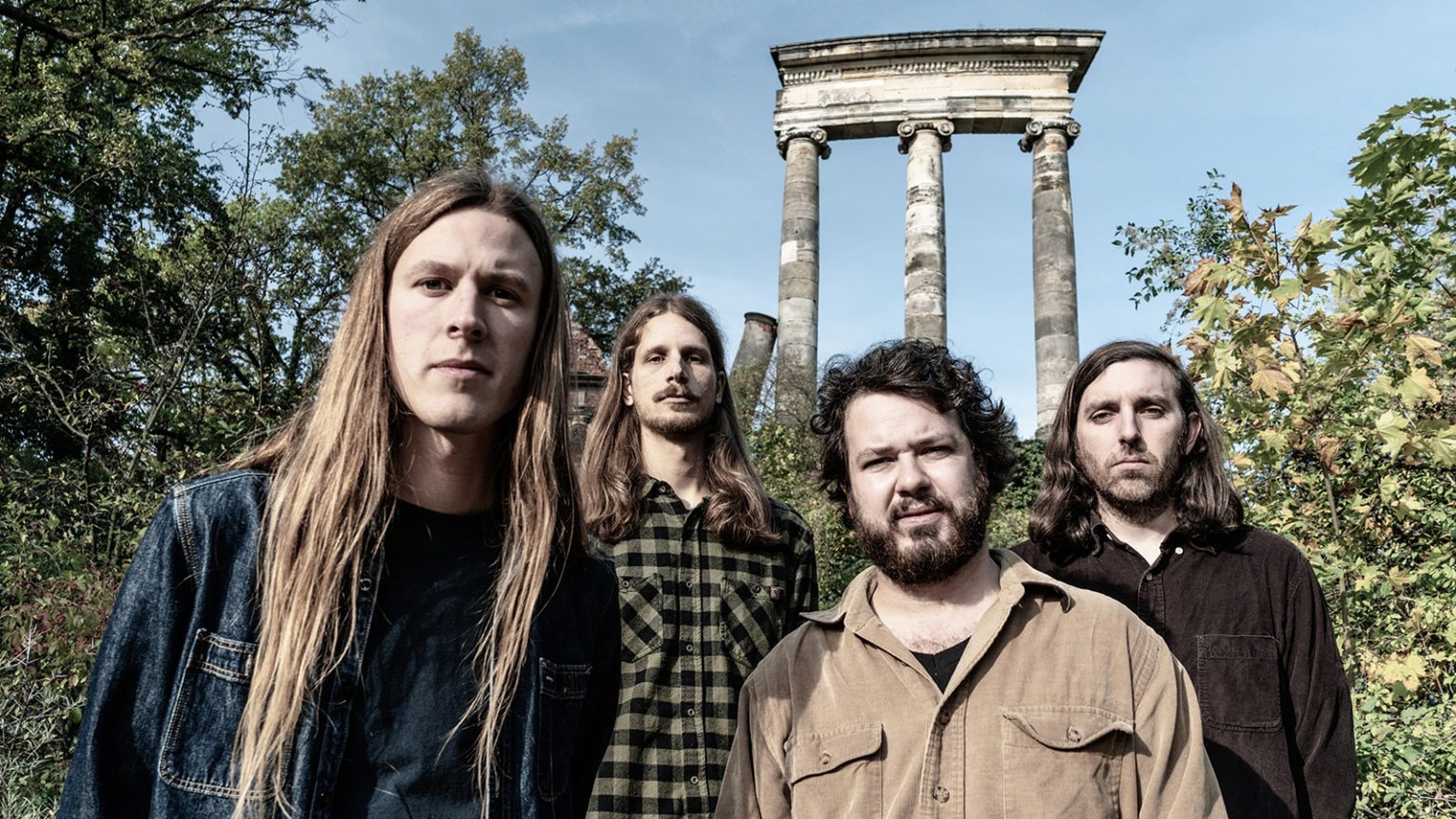
Further still from the sermon stands the trio the guitarist Poia, the bassist and singer Urlo and the drummer Vita formed in Tortona in 1999, Ufomammut, whose Eve, issued in 2010 on Supernatural Cat, is a single composition in five movements, recorded, mixed and mastered by Lorenzo Stecconi at Locomotore Studio in Rome, with two of its parts past thirteen minutes and synthesiser credited to all three players. The Obelisk heard in it a "sonic transportation" free of artificial flourishes, and in the same review singled out the band's tonal weight: the colour and the weight at once, the one never lightening the other. With this band the light on the wall is more than a picture. Poia and Urlo belong to Malleus Rock Art Lab, the collective credited with the artwork of this record, and the same studio makes the video that runs behind the trio on stage.
Weight over groove: where it parts from stoner
Stoner doom and psychedelic doom share a record shelf, a fuzz pedal and most of an audience, and the line between them runs through the hips. Stoner takes its riff from the blues and plays it to swing: the Palm Desert quartet Kyuss, on Blues for the Red Sun for Dali Records in 1992 with Chris Goss producing, wrote riffs built to push a body forward. Psychedelic doom takes the same fuzz and removes the swing, so that the riff carries nobody anywhere and simply stands in the room and changes colour.
The plainest case of a band reaching that line from the sixties side is the Cambridge group Kevin Starrs formed in 2009, Uncle Acid & the Deadbeats, whose Blood Lust first appeared in 2011 as a small numbered pressing on Killer Candy before Rise Above Records put it out on vinyl the same year and on CD in 2012, and which AllMusic heard as psychedelic rock's harrowing comedown fused with the earliest, occult-laced heavy metal. The psychedelia is a period sound, chased with vintage instruments and recording equipment. Decibel still called the record a groovy, evil delight, and that groove is what keeps one foot of this band on the stoner side of the line.
| Traditional doom | Stoner doom | Psychedelic doom | |
|---|---|---|---|
| What the riff does | States a theme and hands over | Swings, pushes the body forward | Returns as a loop until it is the setting |
| Where the voice sits | At the front, delivering a text | Inside the fuzz, still singing | Set back as another layer |
| Form | Verse, chorus, bridge | Songs and long jams | Suites in movements |
| A record to test it on | Saint Vitus, Born Too Late (1986) | Kyuss, Blues for the Red Sun (1992) | Ufomammut, Eve (2010) |
Elder, and the way out through the colour
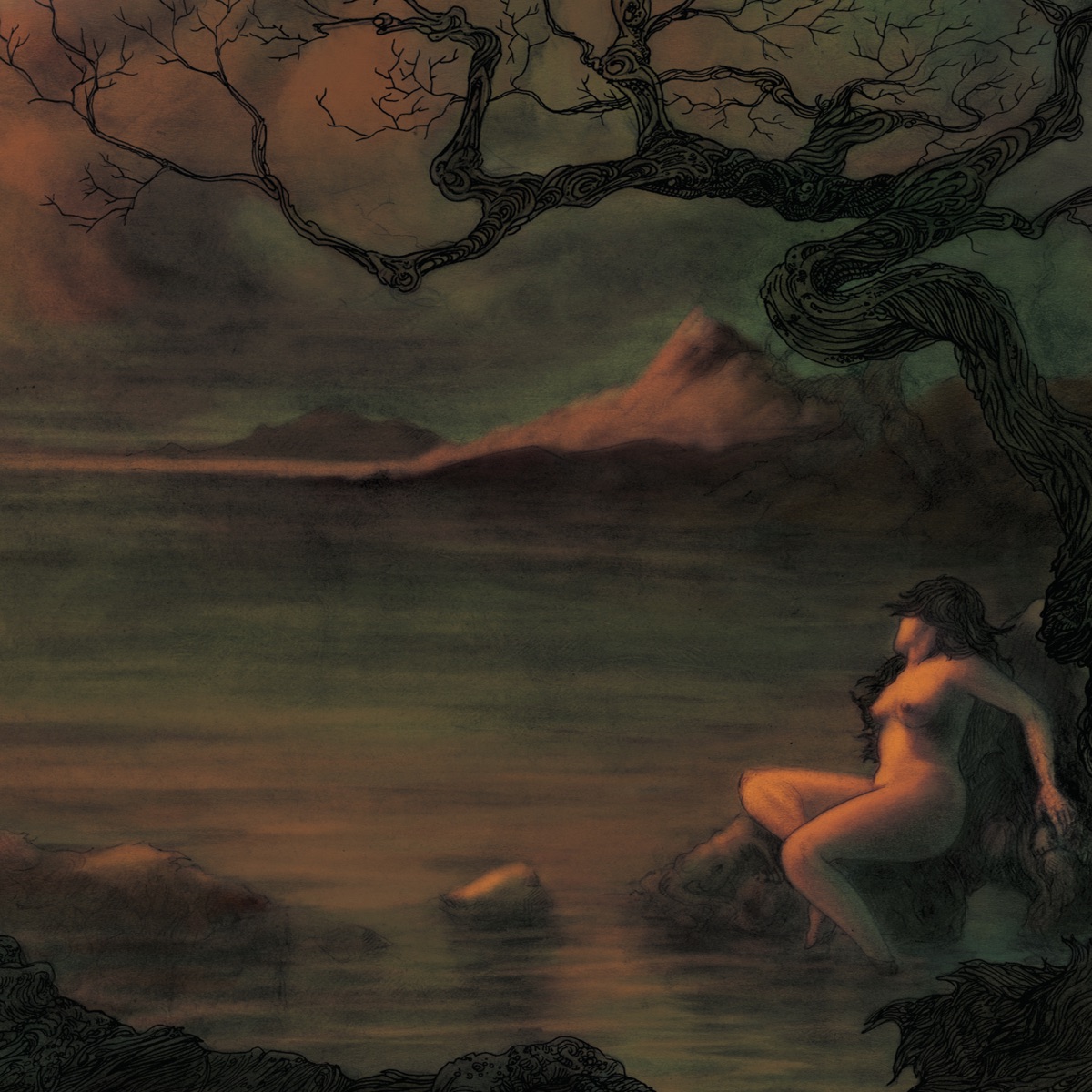
The band that has walked the whole distance, from the doom end of the shelf out through the colour and beyond it, is the Massachusetts group now settled in Berlin, Elder. Formed around 2006 by the guitarist and singer Nick DiSalvo with the bassist Chas Mitchell and the drummer Matt Couto, with Jack Donovan taking over the bass in 2008 and holding it ever since, Elder began on MeteorCity Records that year with a self-titled debut that The Obelisk heard following in the plodding footsteps of Sleep, and within three years had let the psychedelia in: Dead Roots Stirring, released by MeteorCity on 25 October 2011, came out richer and, in the same magazine's reading, surprisingly tinged with psychedelia.
Then the colour began to take the weight apart. Lore followed on Stickman Records on 27 February 2015; the guitarist and keyboard player Mike Risberg joined in 2017; Couto left in 2019 and Georg Edert took the drums; and by Omens, released on 24 April 2020 by Armageddon in America and Stickman in Europe, and Innate Passage, recorded with Linda Dag at Clouds Hill Studio and released on 25 November 2022, the band's own release notes were describing progressive psychedelic rock. Metal Injection, reviewing the 2022 record that November, described sixteen years of expanding stoner rock, "fleshing it out with psychedelia" and turning it over with progressive chops. That is the exit. When the colour stops moving at the pace of the riff and starts to set the pace itself, psychedelic doom has left the slow tempo behind and become progressive Doom Metal, or progressive rock with heavy guitars. Elder dismantled the slowness record by record and kept the colour.
Berlin put the band beside a group working the same seam from its vintage end. When the pandemic cancelled the tours of both, Elder and the Berlin band Kadavar recorded the joint album Eldovar, subtitled A Story of Darkness & Light, released on 3 December 2021. Live at BBC Maida Vale Studios, a session taped for BBC Radio 1 in August 2023, followed on 30 August 2024, and on 27 February 2026 the quartet announced a seventh studio album, Through Zero, due on 29 May through Blues Funeral and Stickman.
What to listen for
Put on a record sold as psychedelic doom and ask two things of it. Does the tempo hold at the pace of a dirge while everything above it changes shape? And does the riff return so often that it stops being an event and becomes the place where the record happens? If the tempo climbs and the riff swings, it is stoner with a good pedalboard. If the riff argues and the singer preaches from the front of the mix, it is traditional doom with a phaser on the guitar. Only when the weight holds still and the colour moves across it, interminably and at the weight's own pace, is it the music this page describes.
The coloured oil was never the music, and the slowness underneath it was never new. The riff Acid King turn over in Busse Woods and Ufomammut stretch across Eve descends in a straight line from the one Black Sabbath slowed to a crawl in 1970, and every colour laid over it since has had to move at that riff's pace or leave the genre, a descent told from its source in our doom pillar.
