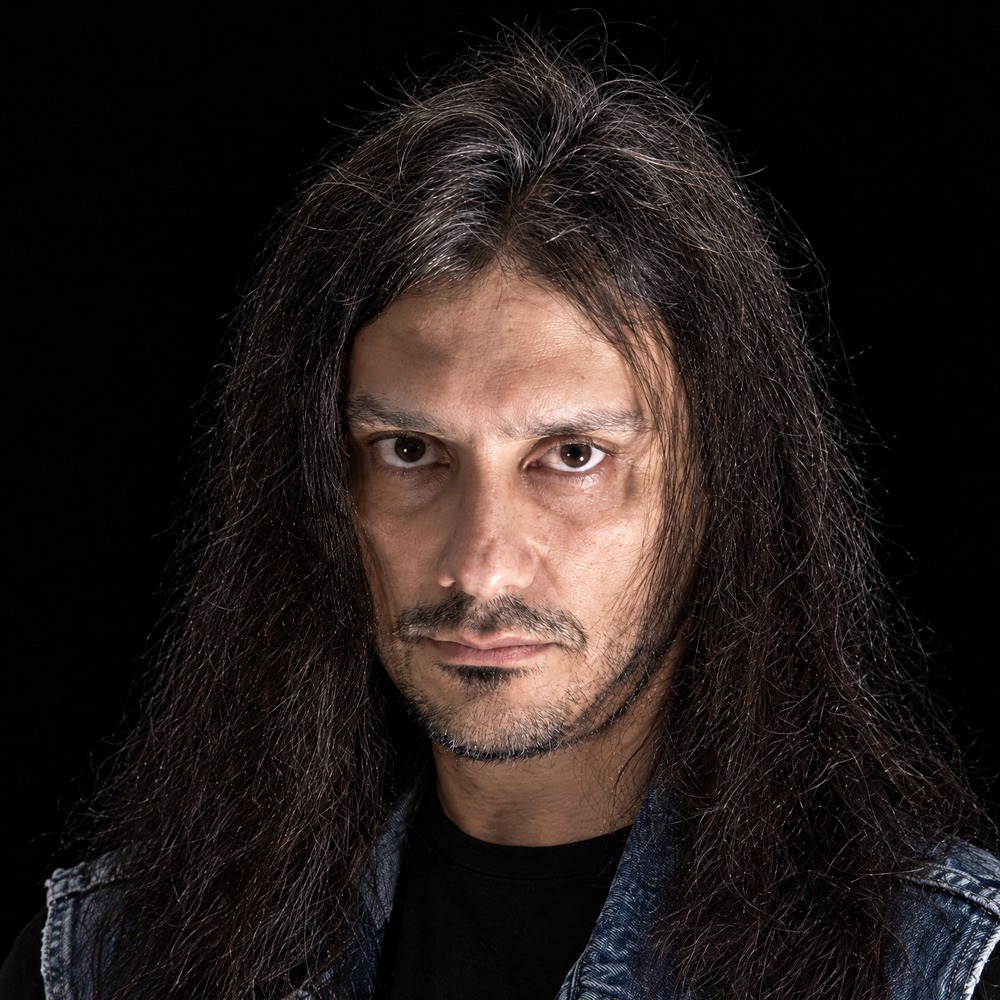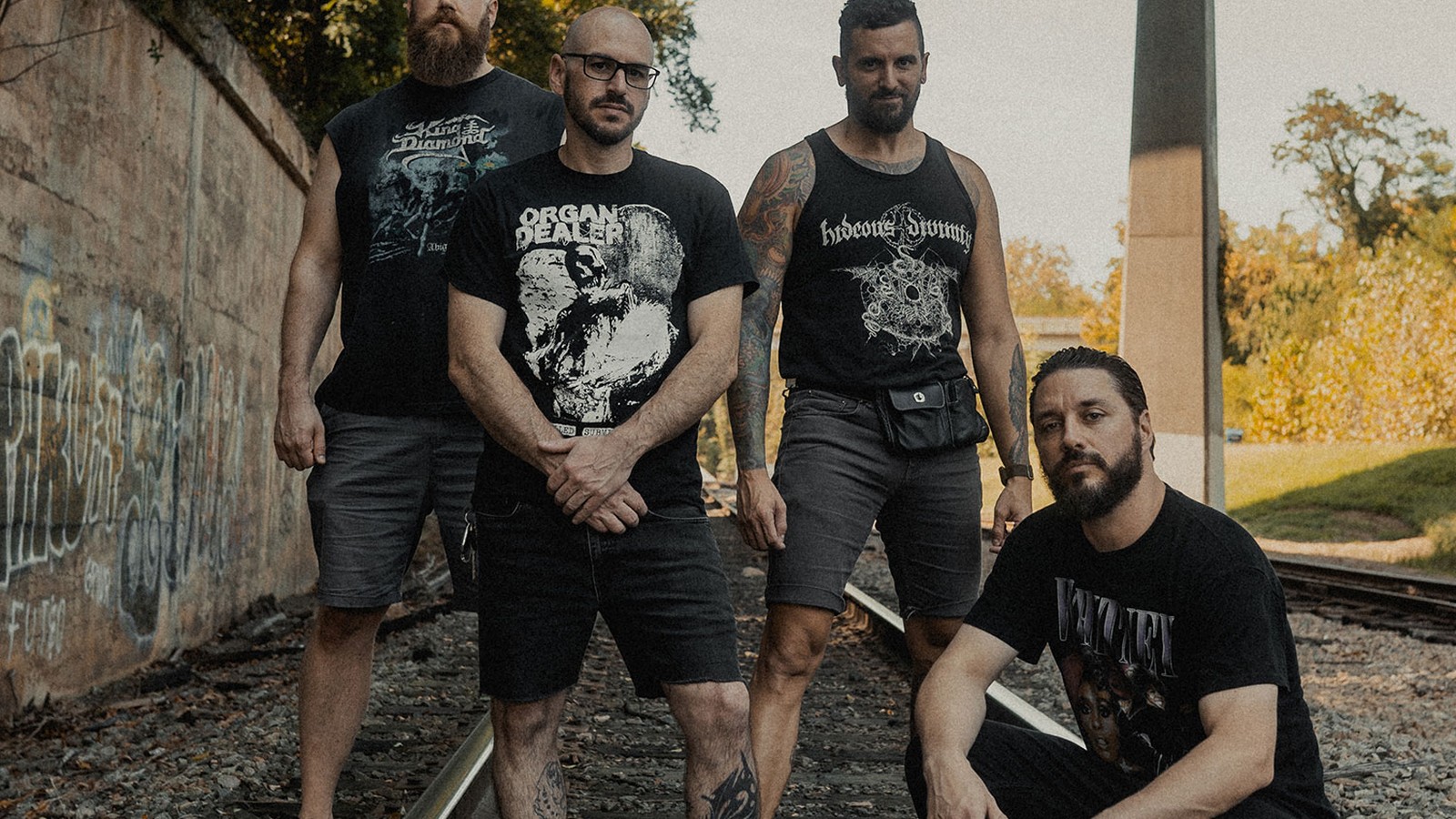
"The cyclical nature of things has come to pass over even The Deathcore." That line went out with a reunion line-up on 7 February 2024, and Blabbermouth printed it the same day, next to the words "first shows in 10 years" and a bass slot still waiting for a name. Fronted again by Eddie Hermida, flanked again by Ben Orum and Chris Storey on guitar, with Matthew Kuykendall behind the kit and only two dates in the book, Big Texas Metal Fest in May and Inkcarceration in July, the Bay Area band whose The Price of Existence had kicked the drum riser of every all-ages room it reached off its trestles in 2006 was All Shall Perish, and with that announcement the deathcore reunion stopped being a rumour on a message board and became a date on a poster.
Two festival slots. It did not stay at two.
Deathcore had grown old enough to be missed. Its founding records were fifteen and twenty years behind the people who had bought them on release, and the bands that had split around 2010 for the ordinary reasons, mortgages, children and jobs that paid, found the rooms still standing and still full when they came back. A deathcore reunion runs like a band van winched out of an impound lot after ten years on bricks, its flat tyres tearing off the rims on the first corner, a new battery bolted in at the kerb, and the engine catching on the first turn of the key: the drop tunings, the blast beats and the half-time drops start up exactly where they were switched off, and only the bodywork shows the decade. Then the band has to decide where to drive it.
The returns are one strand of the 2020s deathcore revival, and they took three forms. Some bands came back to write, and the reunion turned into new records. Some came back to replay, one album from the first song to the last, booked on the year its age rounds up to ten, fifteen or twenty. And some had never gone away at all, and turned their own back catalogue into the occasion. Most bands chose one. The choice tells you what it thought its audience had come for.
Reunions that wrote new records: Despised Icon and Job for a Cowboy
The Montreal band's split was announced on 7 April 2010, and the reason given was plain: the members were starting families, buying houses and building other careers, and months on the road had become impossible. The farewell ended in December 2010 with a Toronto show and then two nights at Club Soda in Montreal, on the 4th and 5th, with former members from the first two records back on stage beside the last line-up.
Back on 4 February 2014 with a statement that promised only a handful of shows, that spoke of getting together "temporarily" after a few beers, and that closed on a promise to crush the stage "one more time", the Montreal septet, with Yannick St-Amand back to run its samples and its live sound, was Despised Icon. The singer Alex Erian signed the note. Nobody reading it took "temporarily" as a contract.
The one more time ran to three European nights on the Impericon festivals, Vienna on 25 April, Manchester on 27 April and Cologne on 30 April, and then to a December run of North American dates that reached Club Soda in Montreal on the 13th, the room where the band had said goodbye four years earlier. In 2015 the tenth birthday of The Healing Process carried the band to Ghostfest in Britain and to the Envol et Macadam festival in Quebec City. The temporary arrangement had grown a calendar. By April 2016 it had a record deal.
Produced by St-Amand and released by Nuclear Blast on 22 July 2016, seven years after Day of Mourning, Beast was the record that turned a run of reunion shows back into a working band, and the band told Distorted Sound in May 2016 that the reunion had begun with a night out watching Max Lavelle, its former bassist, play with The Black Dahlia Murder, and that fans asking for new music did the rest. The two-singer front line came back bolted together exactly as it had been taken apart, and on record it rammed straight through the back wall of the rehearsal room, low growl and high scream trading blows as if the six years apart had been a long weekend.
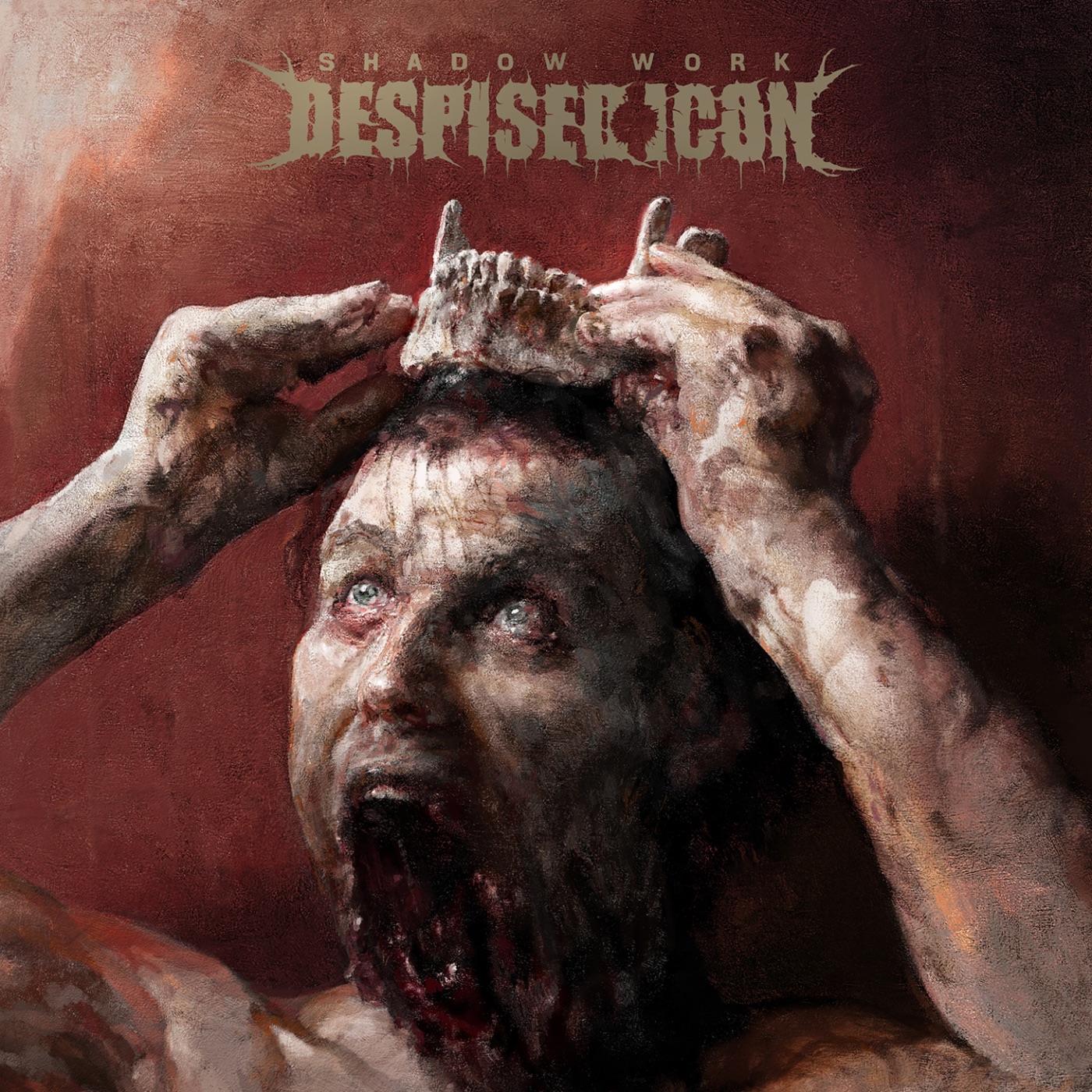
Purgatory followed in 2019 on Nuclear Blast, and Alex Erian and Eric Jarrin produced Shadow Work, released by Nuclear Blast on 31 October 2025, with a video for "Death of an Artist" out in September. Three albums since the split. On 15 April 2026 the band announced an autumn tour of Europe and Britain with Carnifex and Suffocation on the same bill. The temporary reunion was twelve years old.
A reunion announced as temporary has now outlived the band's first run.
Gone silent after a festival set at the Vogue Theatre in Vancouver on 8 April 2016, a decade after its Doom EP had taught a whole generation of MySpace singers to squeal and long after it had walked off toward death metal with Genesis, the Glendale band with as strong a claim as any on the nostalgia it would go on to refuse was Job for a Cowboy. On 27 January 2023 Blue Ridge Rock Festival named it as a reunion and as the band's only performance for the foreseeable future. The band played it on 8 September 2023 at Virginia International Raceway in Alton.
Jonny Davy told Andrew Kapper of Wall of Sound in February 2024 that on that stage he had been "blasted back from ten years ago", and that it felt as if nothing had changed. What the band did next was the opposite of a victory lap.
"The Agony Seeping Storm" came out on 29 August 2023, nine days before the Virginia show, and it was a death metal single from a death metal band. Anyone who bought a Blue Ridge ticket hoping for the Doom EP all over again had been answered before the gates opened. The reunion had been spent in the studio before the band ever reached the stage.
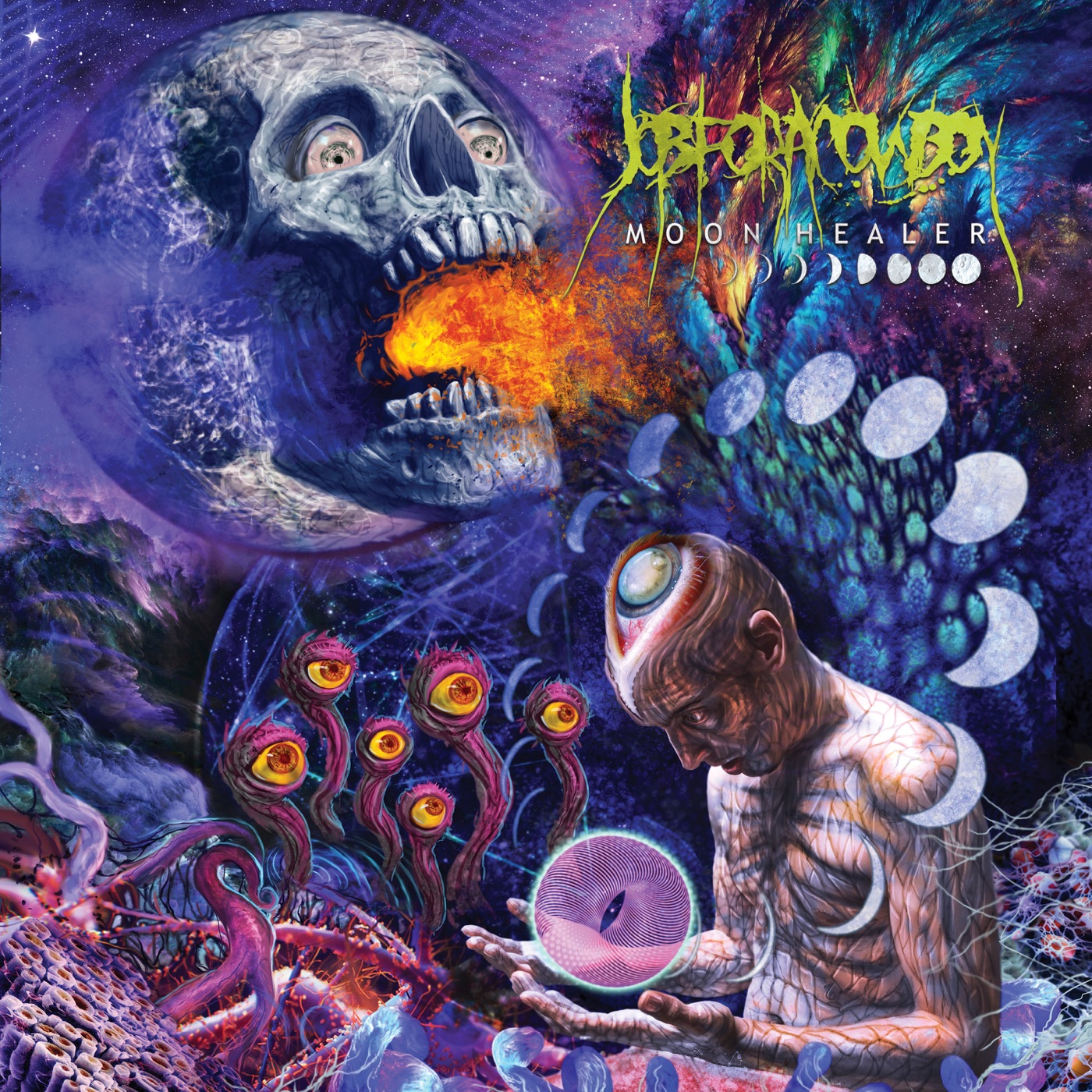
Moon Healer arrived on Metal Blade on 23 February 2024, the band's first album since Sun Eater in November 2014 and the longest gap between records in its history. It is a refusal, and a precise one. The band that could have toured six songs from a MySpace page for years chose instead to tear the old floor plan up to the joists and build a different house on the lot, and the choice showed that a band can come back to its audience without coming back to its first record.
Anniversary tours and the album played in full
The second form is the full-album set, and deathcore took to it early. In December 2015 Chelsea Grin announced a headline tour of North America from 19 February to 19 March 2016, with Desolation of Eden played in its entirety, a record six years old, with Oceans Ate Alaska, Lorna Shore and Wage War underneath. Lorna Shore was the second name of three in the support. Nine years later it was headlining the theatre under Madison Square Garden.
The format works like the CD player in a tour van with its eject button prised out with a pocket knife, so the disc that went in on the first tour can never come out again and plays from the first track to the last on every drive: no setlist to argue over, no shuffle, every breakdown arriving at the exact second the crowd has had memorised since it was sixteen. That predictability is the product. The audience is paying to know what comes next.
Announced on 6 September 2017 and played every night between The Complex in Oakland on 7 November and the Whisky in Hollywood on 17 December, with Upon a Burning Body and Prison on the bill and Winds of Plague joining for the last week, the tenth anniversary tour of The Cleansing put the debut of Suicide Silence on stage from its opening song to its closing one. Mark Heylmun on guitar told Blabbermouth it was a record the band had written when most of them were in their early twenties.
Mitch Lucker, who sang on The Cleansing, died on 1 November 2012 after a motorcycle crash in Huntington Beach. Eddie Hermida was confirmed as the band's singer in early October 2013, and on that tour he sang Lucker's parts every night. In the announcement Heylmun said that Lucker had wanted to set a standard for the scene.
The Knoxville sextet with three guitarists in its front line was Whitechapel, and it put This Is Exile through the same machine twice in 2018, first on a co-headlining run with The Black Dahlia Murder from 8 June to 13 July and then on the Ten Years of Exile tour, which opened at the Rex Theater in Pittsburgh on 1 November and ran home to Knoxville on 16 December with Chelsea Grin, Oceano and Slaughter to Prevail in the support. In Australia the arithmetic produced a live album: Thy Art Is Murder played Hate end to end at the Forum in Melbourne on 14 January 2023, and Nuclear Blast released the night as Decade of Hate.
The San Diego County band that turned the format into a habit was Carnifex. A fifteenth anniversary tour for Dead in My Arms was announced on 11 July 2022 with Oceano, Spite, Left to Suffer and Crown Magnetar, and on 3 March 2025 came a second, for Hell Chose Me, which the band celebrated on a summer headline run with Suffocation as the main support. The band whose Effigy of the Forgotten came out in 1991 went on before a deathcore record from 2010, and the flyers printed a deathcore band's name above a band whose first album had come out fourteen years before the word deathcore found its records. Suffocation went on before them. Every night.
| Band | Record | Released | Anniversary run |
|---|---|---|---|
| Despised Icon | The Healing Process | 2005 | 2015, Ghostfest and Envol et Macadam |
| Chelsea Grin | Desolation of Eden | 2010 | February and March 2016, in its entirety |
| Suicide Silence | The Cleansing | 2007 | November and December 2017, in full |
| Whitechapel | This Is Exile | 2008 | Summer and autumn 2018, in full |
| Carnifex | Dead in My Arms | 2007 | Autumn 2022, fifteenth anniversary tour |
| Thy Art Is Murder | Hate | 2012 | 14 January 2023, in full, released live |
| Oceano | Depths | 2009 | Spring 2024, fifteenth anniversary tour |
| Carnifex | Hell Chose Me | 2010 | Summer 2025, fifteenth anniversary tour |
| All Shall Perish | The Price of Existence | 2006 | May 2026 in Texas, front to back, then booked across North America for September 2026 |
Reformed bands and the reunion festival slot
Gone on indefinite hiatus after a home-town show on 16 August 2009, back for one date at Don't Call It a Fest II on 12 September 2015, and reunited for good when the band announced a little over a week later that it would carry on, the Bay City, Michigan, outfit that had made two albums for Ferret Music before the money ran out was See You Next Tuesday. One night tested the room. The room answered.
That is the logic of the reunion festival slot. A festival is one date, one stage and somebody else's ticket sales, and it works like plugging a single cabinet into the wall socket of a strange building and cranking the volume knob to the stop, waiting to hear whether the fuse box in the basement blows: the band finds out whether its audience still exists without booking a month of vans, motels and gas. Despised Icon came back through the Impericon festivals, Job for a Cowboy through Blue Ridge, All Shall Perish through Big Texas Metal Fest, and The Tony Danza Tapdance Extravaganza, the Tennessee mathcore neighbour that had split in 2012, announced in February 2025 that it would reform for Furnace Fest in Birmingham, Alabama, from 3 to 5 October. By the spring of 2026 it was on a Texas bill under All Shall Perish.
The mirror image of the reunion belongs to Oceano. The band from Cook County, Illinois, announced its fifteenth anniversary tour of Depths on 19 February 2024, released Living Chaos on 30 August that year, and exactly twelve months after the anniversary announcement, on 19 February 2025, announced a farewell tour for May with I Declare War on it and See You Next Tuesday named on the flyer. The anniversary had been the last lap. Four days later See You Next Tuesday withdrew from the bill.
Twenty years of The Price of Existence
All Shall Perish is the clearest case of a reunion that climbed from festival slot to full-album tour. The two festival dates of 2024 grew into shows in California that autumn, into a return to Europe announced for 2025, its first in twelve years, and into American dates that year with Girl of Glass, a deathcore band from Houston, added in July to the West Coast leg in October. On 15 January 2026 the band announced three Texas shows, Austin on 1 May, Corpus Christi on 2 May and Dallas on 3 May, with Bleeding Through and I Declare War, and The Price of Existence played front to back.
Then the whole continent. On 12 May 2026 the band announced a North American tour from Fresno on 4 September to San Jose on 3 October, and its own post put the point in capitals: after twenty years, "the ENTIRE record". On 8 June it added Carnifex, Extermination Dismemberment and Mauled to the bill.
The singer is the thread. Eddie Hermida sang on The Price of Existence in 2006 and is booked to sing it again in 2026, the same throat that tore through those songs twenty years ago set to tear through them again, and the voice on the record is the voice on the stage.
Whitechapel chose the other way round. Announced on 9 June 2026 and booked from Atlanta on 11 November to The Caverns in Pelham, Tennessee, on 18 December, with Chelsea Grin, The Acacia Strain and Netherwalker in support, its twentieth anniversary tour was billed as a run through the whole discography, and Alex Wade said the band would leave no album out. That is the long haul set against the single record: twenty years treated as one catalogue rather than one sleeve.
What the founders are choosing between
The pattern is attested now in enough cases to read plainly. A band that comes back to write, as Despised Icon and Job for a Cowboy did, stakes the reunion on the claim that its best record is still ahead of it. A band that replays, whether it had split or never stopped, as Suicide Silence, Chelsea Grin, Carnifex and All Shall Perish did, sells the catechism of a running order its audience already owns. Whitechapel sold the whole catalogue on one ticket. None of these choices is a retreat. Each is a different covenant with the same crowd.
What has changed is the age of the material. The first deathcore records are now repertoire, played by their authors to people who were children when they came out and opened by younger bands, and the founders can pick from them the way older genres pick from theirs. The younger bands on those bills, Girl of Glass among them, work in the shadow of the same records the anniversary tours are replaying. That lineage, from the 2006 record to the younger bands now opening for it and back to the stage, is also the shortest route to how deathcore changed modern metal: the breakdowns booked for replay this autumn are the ones every heavier genre has been borrowing since. The reunions only made the debt easier to see.