
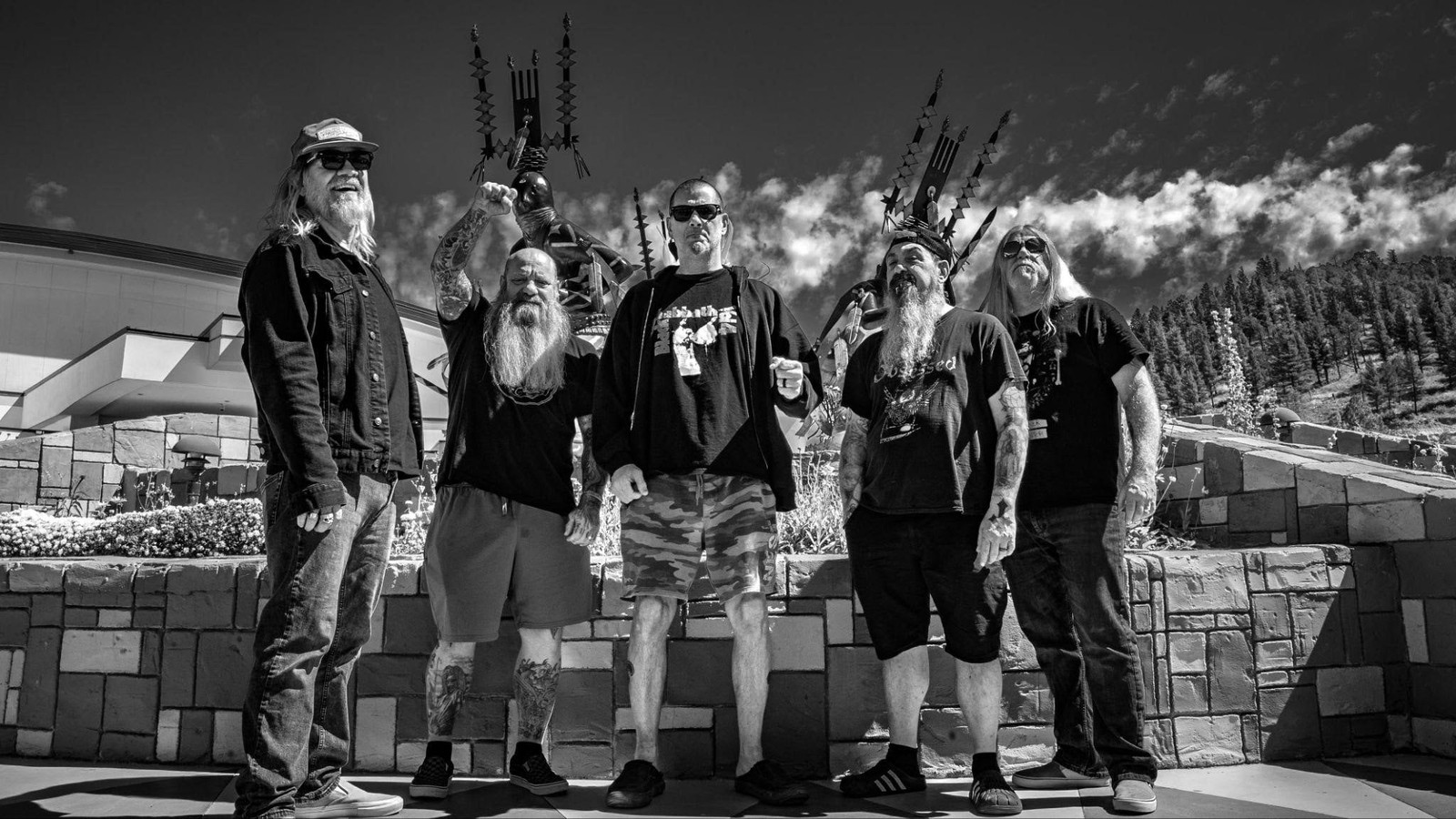
On 29 August 1994, inside Ultrasonic Studios on Washington Avenue, near Xavier University, in the rooms where Dr. John, Aaron Neville and Linda Ronstadt had recorded since Jay Gallagher and George Hallowell opened the studio in 1977, five musicians who each already belonged to another band began the sessions that would run until 22 January 1995 and become NOLA. The singer of Pantera, a band whose Far Beyond Driven had entered the Billboard 200 at number one that spring, Phil Anselmo, stood at the microphone, Pepper Keenan of Corrosion of Conformity and Kirk Windstein of Crowbar held the guitars, Todd Strange of Crowbar played bass and Jimmy Bower of Eyehategod sat behind the drums, with Matt Thomas producing beside the band for EastWest Records, which had signed Down after one of its executives caught a small hometown show and found out who was on the stage. The name on the reels was Down. It was a side project.
We begin in that room rather than in a bar because it holds the whole city in one frame: the guitarist who founded one sludge band, the singer of a band that had just topped the Billboard 200, a guitarist whose group came from North Carolina but whose home was New Orleans, all borrowing a studio built for rhythm and blues. How the crawl travelled south is told in the chapter on New Orleans and the Melvins. This page stays inside the city and the parishes around it.
A city that lives below its own water
Formed on 20 April 1988 by Bower and drummer Joey LaCaze, with Mike IX Williams taking over the microphone within months, Eyehategod recorded Take as Needed for Pain for Century Media in 1993 at Studio 13, a small studio on the thirteenth floor of an abandoned department store on Canal Street, and in doing so fixed the rules of New Orleans sludge metal for everyone who came after: feedback left running, tempos dragged until the beat nearly stops, and a voice that tears at the riff instead of riding on top of it. In the same year the band Windstein had led through several names before settling on Crowbar in 1991 released a self-titled album on Pavement Music with Anselmo producing, and carried its own slow version of the same weight onto MTV's Headbangers Ball, the network's weekly metal video programme. Two bands. One set of rules.
What they shared is easier to hear than to describe, and the clearest way we know to describe it is the ground the city stands on. Much of New Orleans lies below the level of the lake to its north and the river that curls through it, and in places a levee of packed earth and concrete holds water that sits higher than the roofs of the cars parked on the street behind it, so that ordinary life, the bars, the corner stores, the practice rooms, goes on underneath a weight nobody can see and everyone can feel. That is how a Louisiana riff is built. It is not released, it is held back, a leaden mass of sound pressed against a single wall of rhythm for five, six, seven minutes, and the whole tension of the song is the question of how long that wall will keep standing.
New Orleans sludge is the sound of water held higher than the street, and of a city that goes to work underneath it every morning.
The suburbs and the bayou towns fed the same wall. Formed in 1988 in Chalmette and Metairie, with Brian Patton on guitar, Tommy Buckley on drums and Ben Falgoust singing from 1993, Soilent Green set grindcore blasts running inside the crawl like a jackhammer started up in the middle of a funeral march, on Pussysoul for Dwell Records in 1995 and Sewn Mouth Secrets for Relapse in 1998, while Patton also played in Eyehategod from 1993 to 2018 and Buckley became Crowbar's drummer in 2005. From Houma, south-west of the city, Acid Bath formed in 1991 around Dax Riggs and Sammy Duet and released When the Kite String Pops in 1994 and Paegan Terrorism Tactics in 1996 on Rotten Records. The band ended on 23 January 1997, when bassist Audie Pitre and his parents were killed by a drunk driver.
Down and the record called NOLA
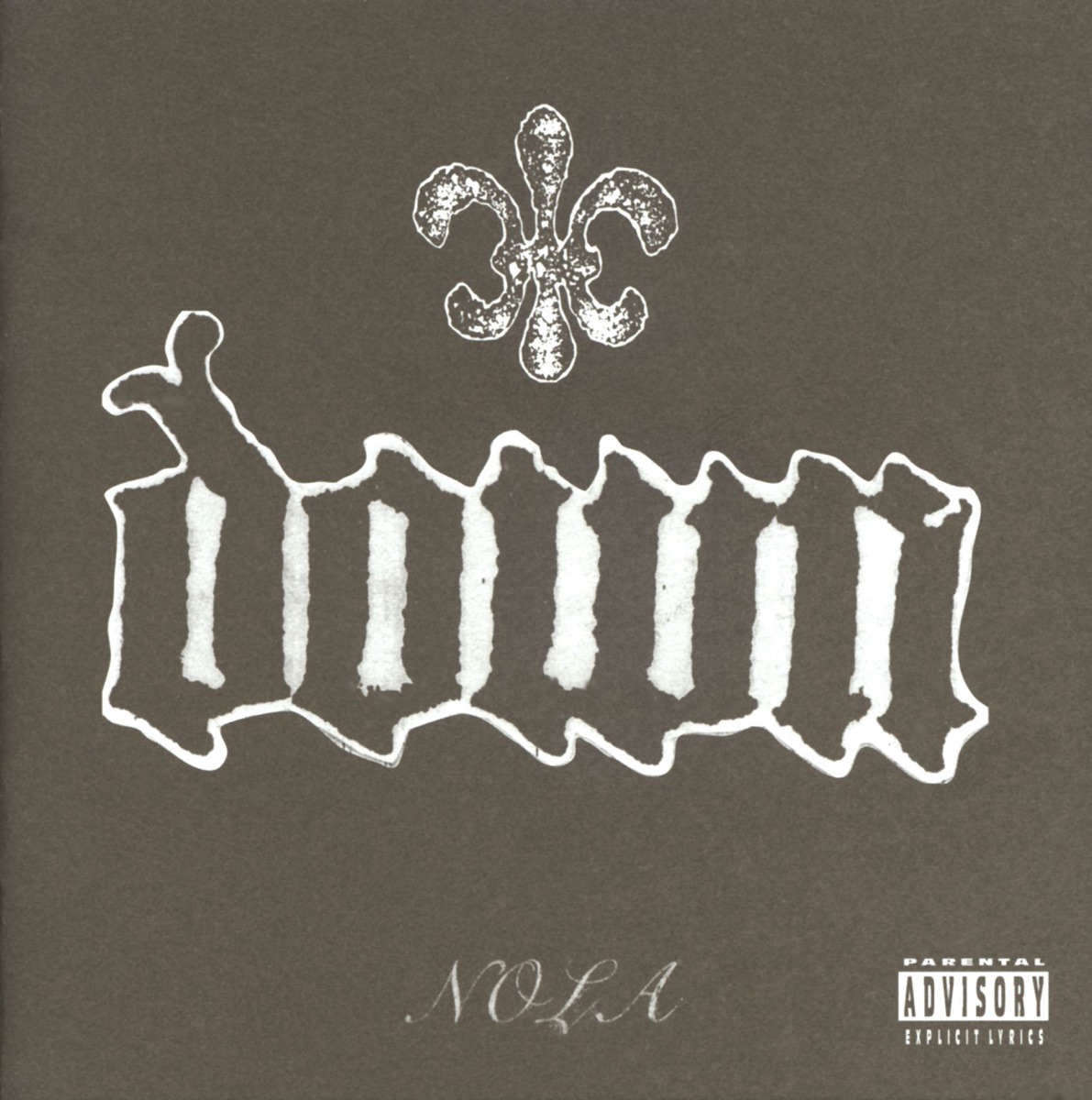
Released by EastWest on 19 September 1995, thirteen songs across fifty-six minutes that open on "Temptation's Wings" and close on "Bury Me in Smoke", NOLA sent "Lifer" out as its first single, took "Stone the Crow" to number 40 on the Mainstream Rock chart, reached number 57 on the Billboard 200 in the chart dated 7 October 1995, and had sold 232,847 copies in the United States by April 2002 on SoundScan's count. The critics agreed on the result rather than on the ingredients: AllMusic called it a landmark, Terrorizer wrote in 2006 that Down had been "the perfect sum" of its members' parts, and Rock Hard placed it at 244 among the five hundred greatest rock and metal albums.
The band played a thirteen-date tour and then stopped, because every man in it had a day band waiting. Strange left in 1999 and Rex Brown of Pantera took the bass, and in late November 2001 the five gathered in Nödferatu's Lair, Anselmo's barn, for twenty-eight days of recording that became Down II: A Bustle in Your Hedgerow, released by Elektra on 26 March 2002 and reaching number 44 on the Billboard 200. Anselmo was also running Superjoint Ritual, formed in 1993 with drummer Joe Fazzio and Bower on guitar, which put out Use Once and Destroy in 2002 and A Lethal Dose of American Hatred in 2003 on Sanctuary Records before splitting in late 2004.
The circle kept widening. Sammy Duet of Acid Bath renamed his band Killgore as Goatwhore in 1997 and brought in Ben Falgoust of Soilent Green to sing. It is a blackened death metal band, on Metal Blade from A Haunting Curse in 2006, and no sludge band, but it drew on the same players: Pat Bruders, who played bass in Goatwhore from 1997 to 2004 and in Crowbar from 2005, took the bass in Down in 2011 when Rex Brown left.
29 August 2005
Eleven years to the day after the first session at Ultrasonic, Hurricane Katrina reached Louisiana. The levees failed and most of the city flooded, Gert Town among it, where almost every building on the Xavier University campus was damaged. The building on Washington Avenue went under. Ultrasonic never reopened, and its founders told the audio magazine Mix in October 2007 that the property had been sold and bulldozed.
Eyehategod's first show after the hurricane was at Mardi Gras in 2006, in the middle of the Bacchus parade. Corrosion of Conformity cancelled a European tour planned for September and October 2005 after the storm hit Keenan's home city.
Down reformed in 2006 and recorded Down III: Over the Under between December 2006 and February 2007 with producer Warren Riker, and Roadrunner released it on 25 September 2007. Its lyrics carried the band's anger at the aftermath of Katrina, alongside the end of Pantera and the murder of Dimebag Darrell in December 2004, and Keenan told MTV News in January 2007, while the songs were still being written, that several of them addressed Katrina's aftermath. It reached number 26 on the Billboard 200, the highest any Down full-length album has climbed, and Decibel's Kirk Miller wrote that for almost an hour the metal world seemed "set right again".
Everywhere else sludge is a tempo. In Louisiana it is a pressure, held back against one wall for as long as the song lasts.
Ilse Brandt, KaosMetal
The scene to 2026
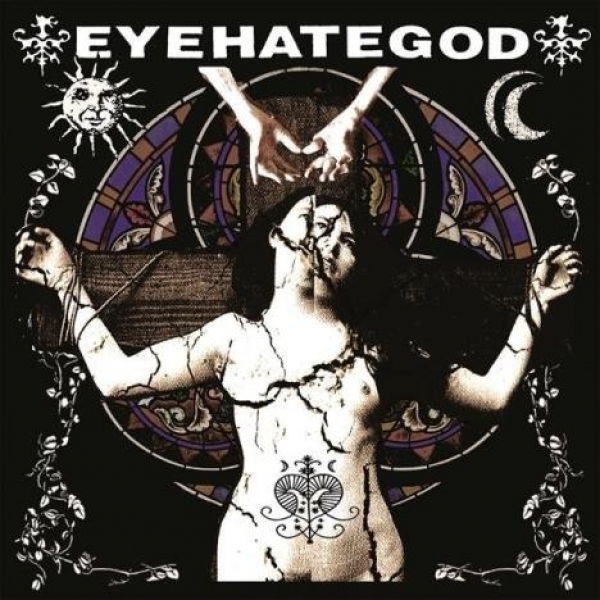
Joey LaCaze died on 23 August 2013 of respiratory failure, and Aaron Hill was announced as Eyehategod's new drummer on 31 October that year. Released by Housecore in May 2014, the band's self-titled fifth album, their first since Confederacy of Ruined Lives in 2000, carried the final recordings of LaCaze on drums and reached number 92 on the Billboard 200. A History of Nomadic Behavior followed on 12 March 2021, with Williams and Bower still at the centre of the band.
The next generation did not wait for the founders to finish. Formed in New Orleans in 2005, the sludge band Haarp released The Filth in 2010 and Husks in 2012 and had reached Housecore by the time it split that year, and in Baton Rouge a collective called Thou, formed the same year as Haarp, carried the Louisiana tradition into a new decade: Heathen on Gilead Media in 2014, placed first on Pitchfork's list of the best metal albums of 2014, Magus on Sacred Bones in 2018, and Umbilical, recorded at Hightower Recording in New Orleans in December 2023 and released by Sacred Bones on 31 May 2024. Any serious reckoning of the Best Sludge Metal Bands has to pass through this state twice, once for the founders and once for those who came after them.
The first wave came back as well. Acid Bath announced their return on 15 October 2024, twenty-eight years after their last show, and played the Fillmore New Orleans on Canal Street twice in April 2025, on the 25th with Eyehategod and on the 30th with Exhorder.
In March and April 2026 Crowbar and Eyehategod crossed the United States on a co-headlining tour. Down, now Anselmo, Keenan, Bower, Bruders and Windstein, who left in 2013 and returned in 2019, announced on 19 August 2026 that Volume V will be released by Nuclear Blast on 20 November 2026, with "Blood Oath" as its first single. Whether it belongs beside the Best Sludge Metal Albums cannot be settled from a single song, and we reserve our judgement until the whole record has been heard.
Thirty-two years after the first night on Washington Avenue, the studio is gone and four of the five men who stood in it are still in the band. The city lost buildings, rooms and people, and the weighted, subsiding music its players began making in the late 1980s is still being made by the same hands, a dirge that has never found a reason to end. For the wider family, go back to the top.
