
In October 2003 the British monthly Mojo, reviewing the 2003 edition of Dopesmoker, the hour-long piece by Sleep, gave it five stars and called it a benchmark for everything that calls itself stoner rock, and that verdict is the one this ranking of the best stoner metal albums was built to argue with. The record deserves the stars. The claim does not survive a night in a bar, because a genre is not measured against one record cut into the wall like a flood line.
Picture a roadside bar with a jukebox against the back wall holding thirteen records that the owner loaded years ago and never changed, the paper labels gone grey and the grooves worn shallow by drinkers who fed the machine the same coins for the same songs, so that nobody in the room has ever needed a critic to name the records that mattered, because the wear has already pressed the ranking into the plastic. That is the test we used.
A benchmark is cut into the wall once. A record on a jukebox has to be chosen again every night.
How the order was made
Three measures, weighed equally. Influence: the later bands and the press who name a record as the source of a sound, which is the history of where the fuzz came from, taken here as read. Critical standing, from named sources only: the all-time lists of Rolling Stone and Spin, reviews in AllMusic, Metal Hammer, the German monthly Rock Hard and the daily heavy rock site The Obelisk. Longevity: reissues, anniversary tours, records still argued over decades on. Ties go to the record later bands borrowed from more openly.
| Rank | Band and album | Released | Label | Two songs |
|---|---|---|---|---|
| 1 | Kyuss, Blues for the Red Sun | 30 June 1992 | Dali | "Thumb", "Green Machine" |
| 2 | Sleep, Sleep's Holy Mountain | November 1992 | Earache | "Dragonaut", "From Beyond" |
| 3 | Kyuss, Welcome to Sky Valley | 28 June 1994 | Elektra | "Gardenia", "Demon Cleaner" |
| 4 | Sleep, Dopesmoker | 22 April 2003 | Tee Pee | "Dopesmoker", "Sonic Titan" (live) |
| 5 | Monster Magnet, Dopes to Infinity | 21 March 1995 | A&M | "Negasonic Teenage Warhead", "Look to Your Orb for the Warning" |
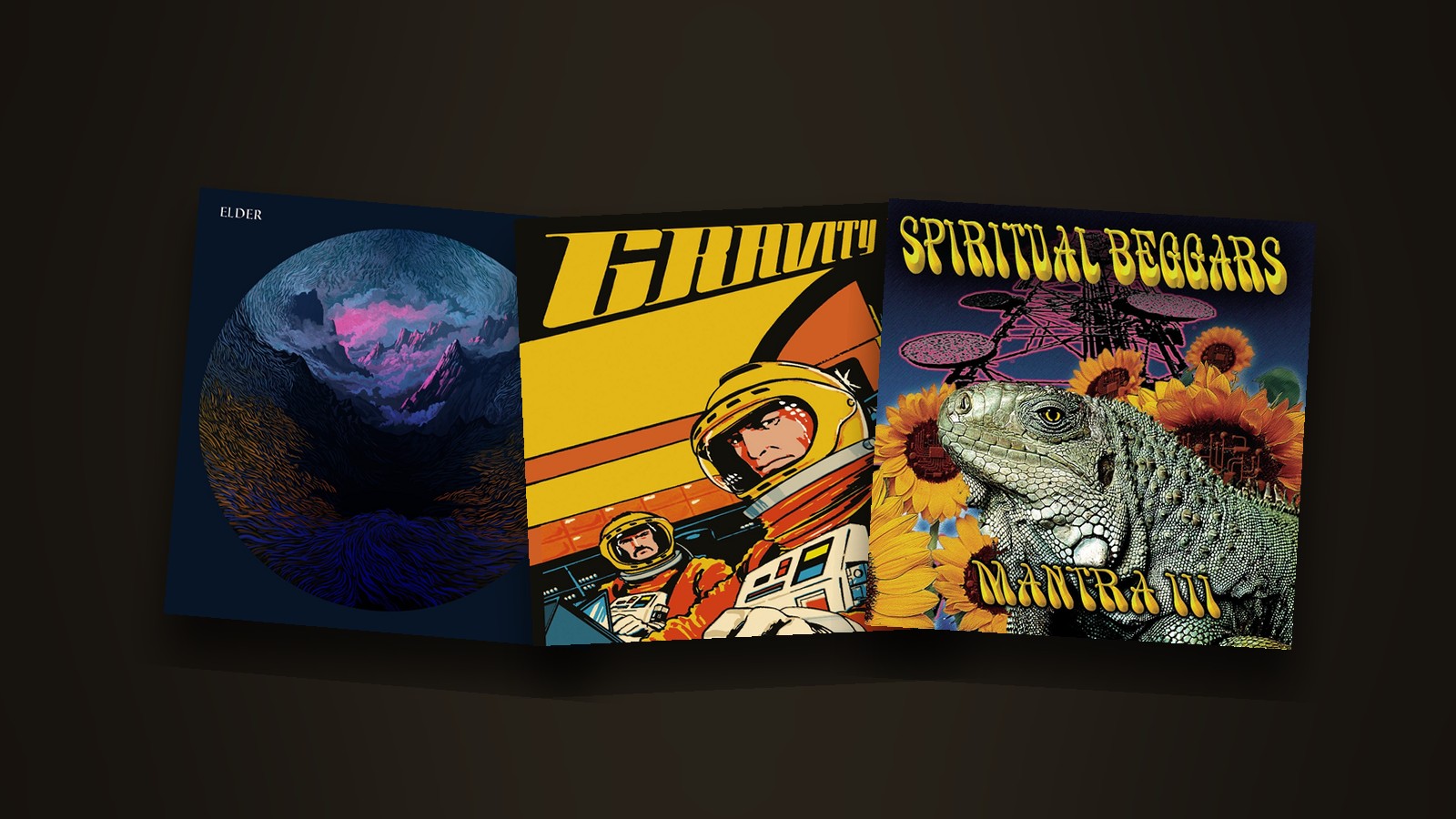
| 6 | Elder, Lore | February 2015 | Armageddon Shop, Stickman | "Compendium", "Legend" |
| 7 | High on Fire, Blessed Black Wings | 1 February 2005 | Relapse | "Devilution", "Brother in the Wind" |
| 8 | Fu Manchu, The Action Is Go | 7 October 1997 | Mammoth | "Evil Eye", "Anodizer" |
| 9 | Spiritual Beggars, Mantra III | 1998 | Music for Nations | "Homage to the Betrayed", "Monster Astronauts" |
| 10 | Orange Goblin, Time Travelling Blues | 1998 | Rise Above | "Blue Snow", "Shine" |
| 11 | Truckfighters, Gravity X | 12 July 2005 | Fuzzorama, MeteorCity | "Desert Cruiser", "Gweedo-Weedo" |
| 12 | Red Fang, Murder the Mountains | 12 April 2011 | Relapse | "Wires", "Hank Is Dead" |
| 13 | Monolord, Empress Rising | 1 April 2014 | EasyRider | "Empress Rising", "Audhumbla" |
One to four: the desert and the mountain
First place goes to a record that sold almost nothing. Produced by Chris Goss, the second album by the four young musicians from the California desert who called themselves Kyuss had moved around 39,000 copies by early 1994, and still Josh Homme's down-tuned guitar, plugged into bass cabinets like a truck engine bolted into a dune buggy, became the template for a generation of fuzz bands after it. Spin placed Blues for the Red Sun 36th among the greatest metal albums in 2002, Rolling Stone 41st in 2017, and AllMusic calls it a major milestone in heavy music. It is the greyest record in the machine.
Second is the demo that the trio from the Bay Area sent to Earache, the British extreme metal label, which pressed it exactly as it arrived. Recorded with engineer Billy Anderson and released in Britain in November 1992, Sleep's Holy Mountain saw "Dragonaut" and "Some Grass" hauled into Harmony Korine's film Gummo in 1997, and in May 2009 the reformed band played it complete in the Don't Look Back concert series. It stands second because its influence runs mostly down the doom side of the line, while the desert record fed both.
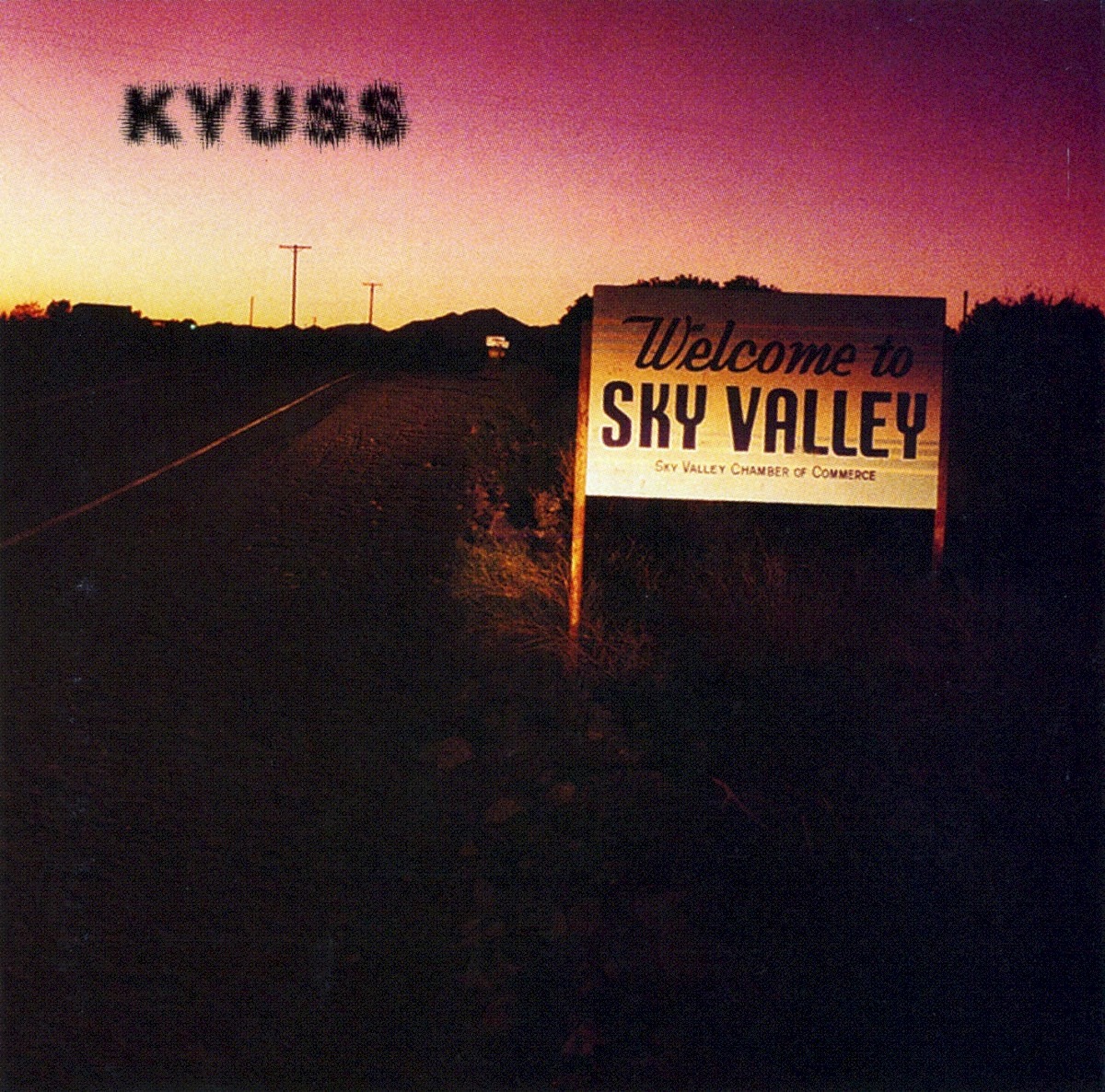
Third is the record that waited a year to be heard. Recorded early in 1993, Welcome to Sky Valley sat finished while Chameleon, the label that had promoted Kyuss up from its subsidiary Dali, shut down on 11 November 1993, and its partner Elektra released it only in June 1994. The singles "Gardenia" and "Demon Cleaner" carry the case, and Martin Popoff gave it nine out of ten in his Collector's Guide to Heavy Metal. It sits below the debut for one reason: it perfected a sound the debut had already given away.
Fourth is the record from Mojo's verdict, and on critical standing alone it would stand first. Dopesmoker is a single piece of sixty-three minutes that, by Matt Pike's account, kept getting slower while the trio recorded it, and its 2012 reissue on Southern Lord drew a Metacritic score of 94. Influence is where it gives ground, since few bands have copied a form that long, and the story of how it was refused and rescued belongs to sleep and the Hour Long Riff. No jukebox holds a song that length. The listeners made room for it anyway.
Five to nine: radio, the long song and the Albini session
Fifth is the record that carried the riff onto the radio. Formed in New Jersey in 1989 around Dave Wyndorf, Monster Magnet released Dopes to Infinity through A&M on 21 March 1995 and got its first hit single out of "Negasonic Teenage Warhead", with a video directed by Gore Verbinski, while Rock Hard gave the record ten out of ten and in 2005 placed it 406th in its book of the 500 greatest rock and metal albums.
Sixth is the highest placing of any record made after 2000, and the argument for it is the speed of the wear. Released in February 2015 through Armageddon Shop in America and Stickman Records in Europe and produced by Justin Pizzoferrato, the third album by the Massachusetts trio led by Nick DiSalvo, Elder, holds five songs across fifty-nine minutes, "Compendium" over ten minutes long and "Legend" over twelve, and turned the band, in the reading of The Obelisk's JJ Koczan, from the heavy psych of its second album, Dead Roots Stirring, to a cleaner and more progressive way of riffing. On 27 December 2019 Koczan named Lore the album of the decade, noting that within two years of its release its impact could already be heard in the work of other bands. Blues for the Red Sun took two decades to wear its label grey. Lore needed ten years.
The jukebox is the only critic in the bar with no opinions. It has a counter. The counter never lies about what people came back for.
Gareth Llewellyn, KaosMetal
Seventh is the record the trio Matt Pike built after Sleep came apart. Recorded with Steve Albini, Blessed Black Wings by High on Fire sounds, in Pitchfork's reading, sharper and more agile than the band's earlier work, and "Devilution" and "Brother in the Wind" go at the old Sleep riff the way a demolition crew goes at a load-bearing wall. Rolling Stone placed it 84th among the greatest metal albums in 2017. It ranks below Lore only because the press files it under sludge metal as readily as under stoner metal.
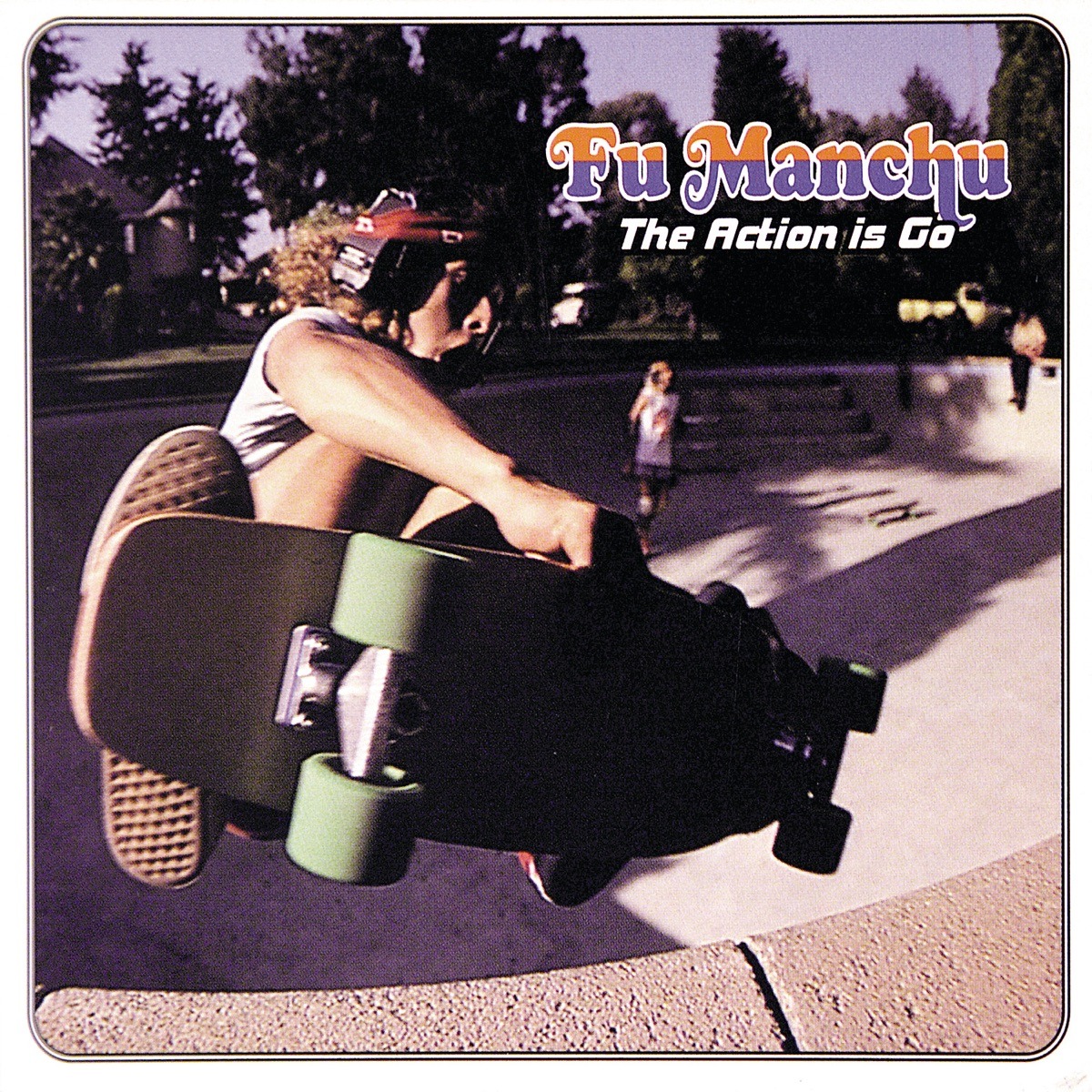
Eighth is the record that put a Kyuss drummer behind the Orange County fuzz. Produced by Jay Yuenger of White Zombie, with Brant Bjork newly on drums, The Action Is Go by the quartet around guitarist and singer Scott Hill, Fu Manchu, received ten out of ten from Metal Hammer and, in AllMusic's reading, brought punk energy and psychedelic crunch at once, from "Evil Eye" to "Anodizer". It sits no higher because the band is filed nearer to stoner rock.
Ninth is the proof that the sound could be made outside America by musicians out of extreme metal. Formed in Sweden in 1993 by Michael Amott after he left Carcass, Spiritual Beggars released Mantra III through the British label Music for Nations in 1998, with Per Wiberg newly added on keyboards and "Homage to the Betrayed" and "Monster Astronauts" straight after the opener "Superbossanova", then toured Europe behind it with Fu Manchu. Amott's work in Arch Enemy has spaced the band's records ever since, which keeps this one the reference point.
Ten to thirteen: the records still wearing in
Tenth is a place won on longevity. Time Travelling Blues, released by Rise Above as the second album by the British band Orange Goblin, runs from "Blue Snow" through "Shine", and AllMusic gave it two and a half stars. What lifts it is the band behind it, which kept the same singer, guitarist and drummer for thirty years and played its last shows in December 2025.
Eleventh is a debut that became a live ritual. Released on 12 July 2005 through the band's own Fuzzorama, and in America by MeteorCity, Gravity X by the Swedish quartet Truckfighters drew three and a half stars from AllMusic, but by its tenth anniversary in 2015 its opener "Desert Cruiser" was reliably launching every gig the band played, in The Obelisk's description, with "Gweedo-Weedo" still counted among its highlights. When the band returned from hiatus in 2019, the tour that followed celebrated this album.
Twelfth is the record that took the Oregon quartet Red Fang to Relapse. Produced by the band with Chris Funk, Murder the Mountains put out "Wires" as its single in March 2011, filmed videos for it and for "Hank Is Dead" and drew three and a half stars from AllMusic, and that September Red Fang was named an opener, beside the Dillinger Escape Plan, on Mastodon's American and European tours of 2011 and 2012.
Thirteenth is the one record in the machine whose label is not yet grey. Released by EasyRider, the label now called RidingEasy, on 1 April 2014, Empress Rising, the debut of the Swedish trio Monolord, runs five songs across forty-six minutes, opening on the twelve-minute title track and continuing with "Audhumbla". Twelve years is not enough wear. It is enough to earn the slot.
What the machine leaves out
One absence needs stating. Electric Wizard and Dopethrone, placed first among the albums of the decade by the critics of Terrorizer in 2009, belong as much to doom as to stoner metal, and the record is weighed on our list of the best doom metal albums instead. Come back to the bar in ten years and the order will have moved, but Blues for the Red Sun will still be the record with the palest label on the machine.
