
Metalcore
Metalcore, the music of the scream and the sung hook, welded the hardcore breakdown to the harmonised metal lead in Cleveland and Syracuse, rode Killswitch Engage and As I Lay Dying onto the Billboard charts and tore the pit open. It never closed.
Verse, hook, collapse
The hybrid that treats every song as a fuse, metalcore, was built on the floor of the hardcore show and wired into the amplifiers of extreme metal, and it tunes its guitars between drop D and A, hammers the low string in palm muted bursts locked to the double kick, and drops the machine to half speed so the breakdown can bring the room down like a demolition charge under a car park. The verse is screamed. The hook is often sung. Solos are rationed.
The one idea that separates this hybrid from its neighbours is the bargain between melody and mass. A heavy verse gives way to a melodic chorus, a harmonised twin lead lifted from Swedish melodic death metal cuts across the top, and the breakdown lands last as the payoff, the moment every riff before it was stacked up like scaffolding to collapse into. Hardcore uses the breakdown to move a room. Metalcore sets a tune beside it.
Metalcore's three bloodlines
The oldest bloodline is metallic hardcore. Drawn first as a logo on fake merchandise for a band that did not yet exist, then formed in Cleveland in 1988, the straight edge outfit with an apocalypse in its lyric sheet, Integrity, forged the style called Holy Terror, soaring leads over a gravel throat, and in 1991 dropped Those Who Fear Tomorrow on critics who swore it would ruin hardcore. It did not. Earth Crisis followed from Syracuse with a vegan straight edge sermon beaten out like sheet metal.
The second bloodline took dissonance and broken meters. Converge, Botch and The Dillinger Escape Plan folded the riff over on itself like sheet steel in a press, and the result was filed as mathcore. The third took melody, and with it the charts. Using the At the Gates record Slaughter of the Soul of 1995 as a manual, Killswitch Engage, Shadows Fall, Darkest Hour and As I Lay Dying welded the harmonised lead to the breakdown, and An Ocean Between Us smashed its way to number 8 on the Billboard 200 in 2007.
The borders are easy to misread. Deathcore keeps the breakdown but tunes lower, trades the sung hook for the growl and the blast beat, and drags the whole structure down into death metal. Melodic death metal gets mistaken for metalcore because the leads match, yet no breakdown sits at its centre. The newest strain ignores the fence: Spiritbox poured ambient synthesiser and djent weight into the frame and still broke into the Billboard top 20. The frame held.
Where to start
Eight metalcore albums, from a Cleveland debut that was meant to ruin everything to a Canadian record that carried synthesisers up the charts.
- Integrity Those Who Fear Tomorrow Overkill Records, 1991
The debut critics swore would ruin hardcore, and in Revolver's reading the source of practically every breakdown recorded since.
- Earth Crisis Destroy the Machines Victory, 1995
Recorded in the Pennsylvania studio of the thrash band Believer, with songs meant to sound like somebody hitting something with a hammer without stopping.
- Killswitch Engage Alive or Just Breathing Roadrunner, 2002
Adam Dutkiewicz producing, Jesse Leach singing and "My Last Serenade" in heavy rotation on Headbangers Ball, the melodic template in finished form.
- Bleeding Through This Is Love, This Is Murderous Trustkill, 2003
Orange County metalcore with keyboards in the engine room, the band's first record for Trustkill and more than 125,000 copies sold.
- Shadows Fall The War Within Century Media, 2004
Number 20 on the Billboard 200 with 39,250 copies in its first week, and "What Drives the Weak" nominated for a Grammy.
- As I Lay Dying Shadows Are Security Metal Blade, 2005
Debuting at number 35 on the Billboard 200 with 33,000 copies sold, the San Diego band's first real assault on the charts.
- Trivium Ascendancy Roadrunner, 2005
Kerrang!'s album of the year for 2005, thrash precision driven through the metalcore frame, and more than half a million copies sold worldwide.
- Spiritbox Eternal Blue Pale Chord/Rise, 2021
Debuting at number 13 on the Billboard 200 with 23,000 units, produced by Dan Braunstein and Mike Stringer on the band's own imprint.
Metalcore News
All 186 stories →Metalcore Reviews
All 6 reviews → 7.5
7.5
Soilwork
Sworn to a Great Divide
A great voice inside a machine built to repeat itself.
 Andrzej Sawicki
Oct 17, 2026
Andrzej Sawicki
Oct 17, 2026
 7.0
7.0
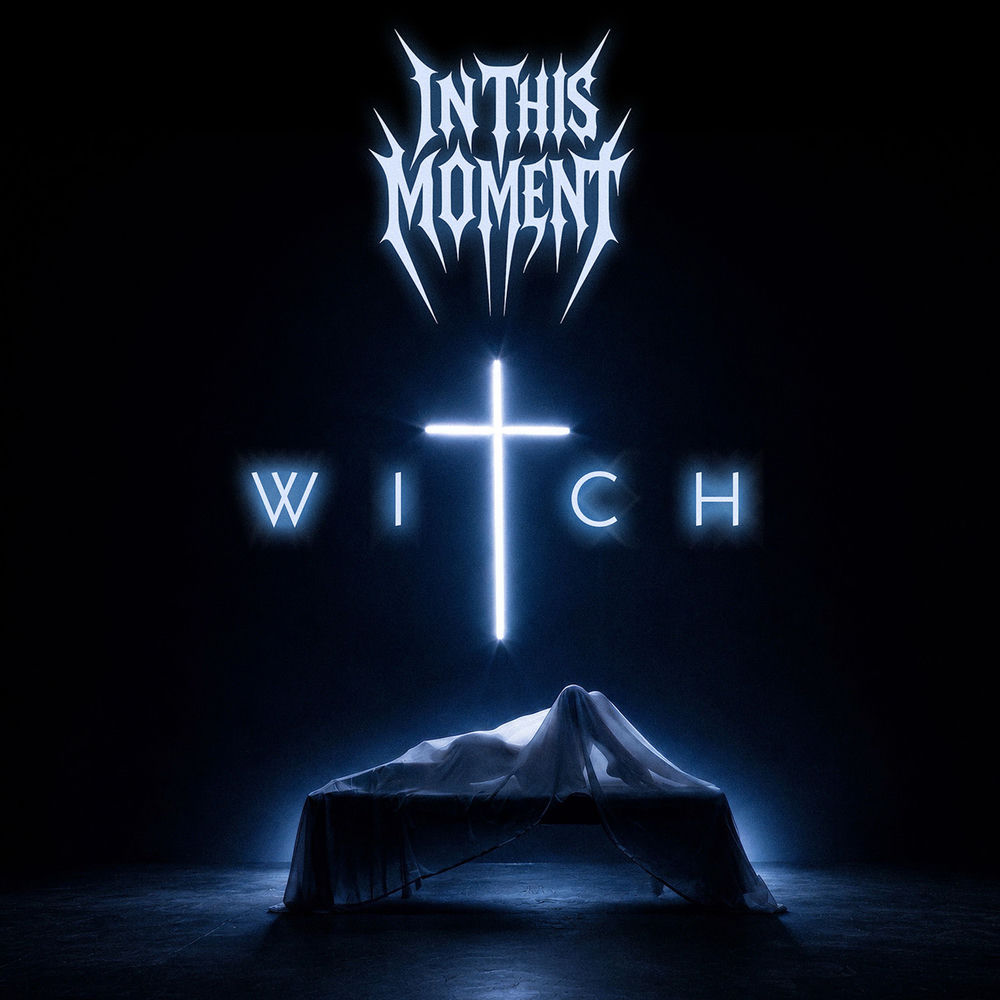
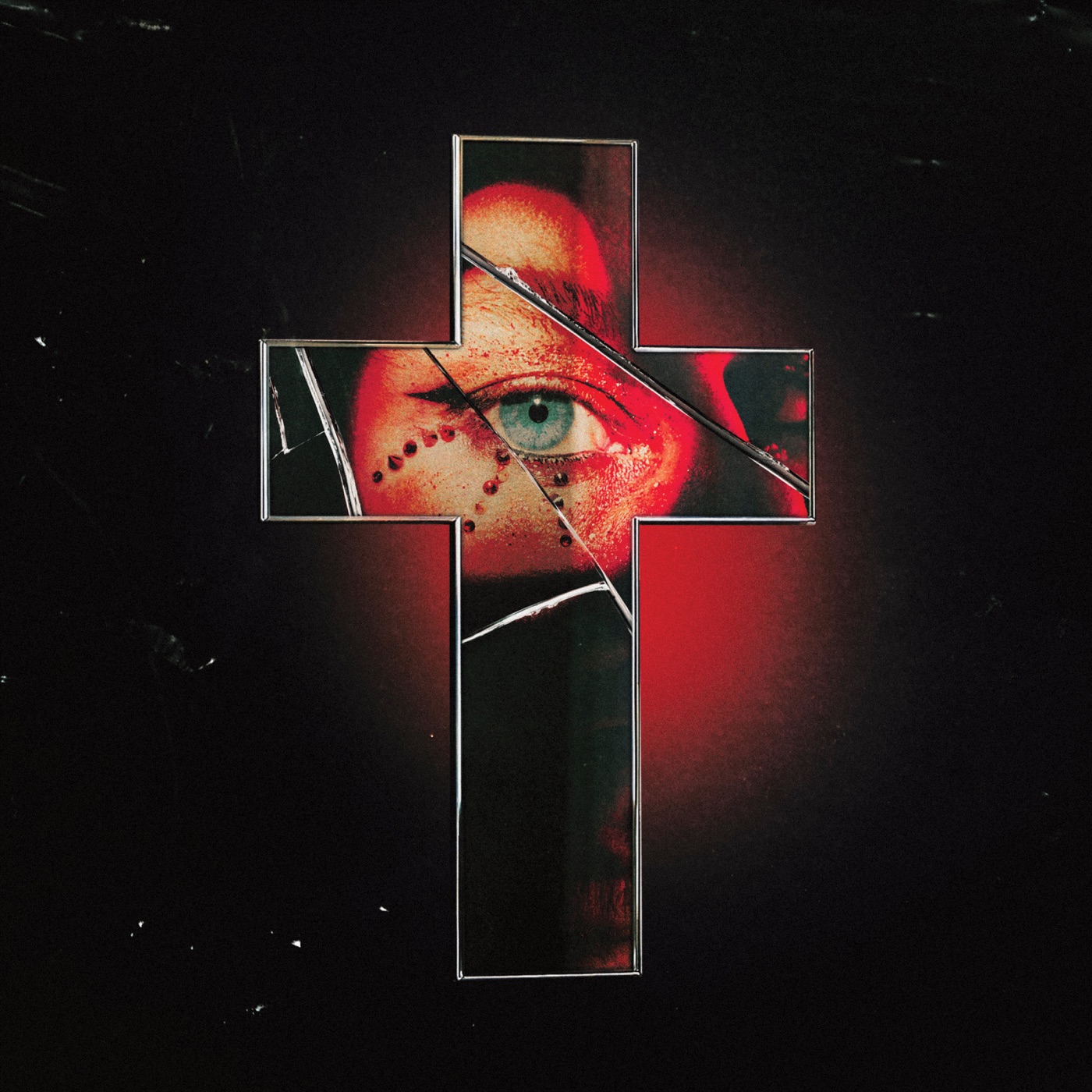
In This Moment
Witch
Two songs worth the ticket, and a long stretch of stage business
 Jonah Pike
Sep 10, 2026
Jonah Pike
Sep 10, 2026
 7.5
7.5
Beartooth
Pure Ecstasy
Nearly every reaction holds, and nothing buffers the swing between them
Jonah Pike
Sep 2, 2026
 7.5
7.5
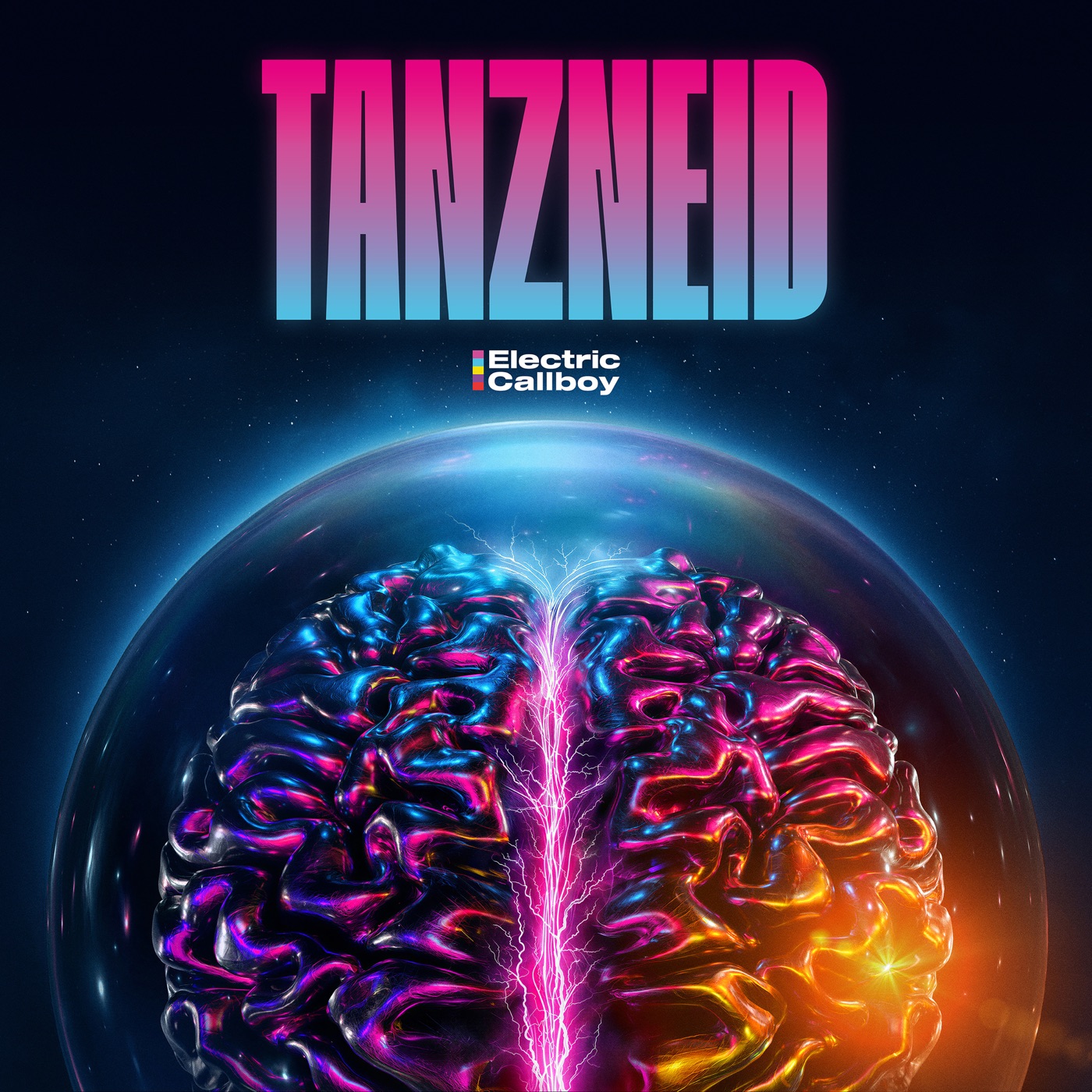
Electric Callboy
TANZNEID
Ten rides worth the queue, most of them ridden before the gates opened
Jonah Pike
Aug 15, 2026
Guides & Essentials
All 1 →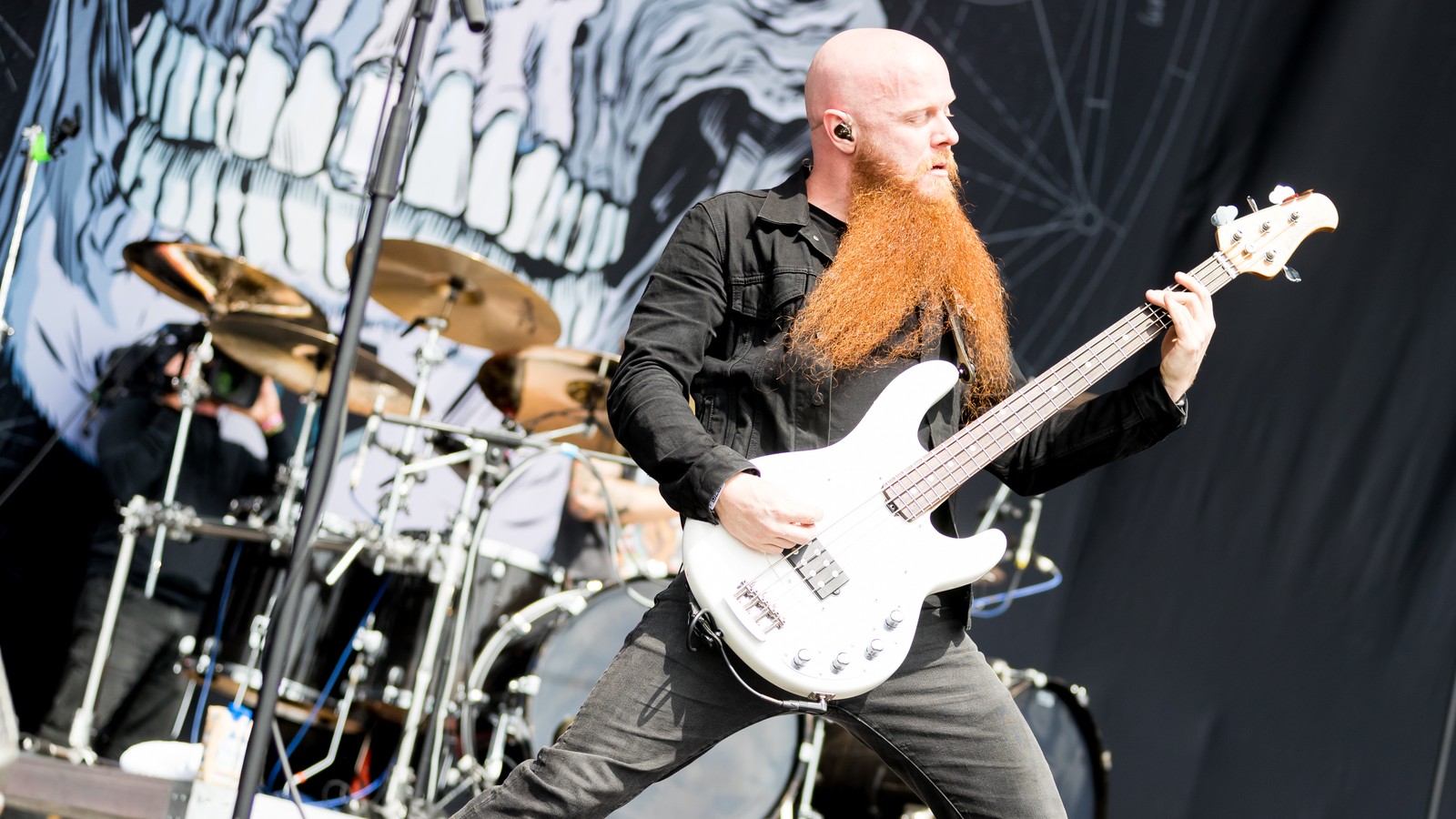 Genre Histories
Orange County and the Metalcore Boom: What Deathcore Grew Out Of
Eighteen Visions, Throwdown, Bleeding Through, Atreyu and Avenged Sevenfold's first record: how orange county metalcore built the rooms, the labels and the crowd dea...