The weight of the slab
The funeral music of heavy metal, doom metal, hauled up out of the slowest Black Sabbath songs, turns time itself into the instrument, and everything else, the guitars tuned so low the strings go slack under the pick, the distortion stacked until one chord flattens every object in the room, the drums leaving long gaps between kick and snare, exists to make the listener feel every second of the wait. Each chord lands like the lid of a sarcophagus. Nothing in the room moves.
A riff a thrash band would play twice and throw away is played on doom metal albums until it wears a groove into the floor. The bass doubles the guitar an octave down, and the two are welded into one wall of low end. The singing splits three ways: clean and mournful in the line of Ozzy Osbourne for the traditional bands, operatic for the epic wing, a death metal growl wherever doom metal collided with extreme music. Nothing is in a hurry.
What separates it from every neighbour is one stubborn idea: slowness is the point of the song, not a passage inside it. Death metal slows down only to load the next blast and thrash drops to mid tempo to hand the pit a breather, and both come roaring back to speed, while a doom metal record swings the riff like a funeral bell over a village churchyard, again and again, until the listener stops waiting for the tempo to return and understands it never will. The lyrics follow the tempo down into dread, addiction, loss and death, with the occult on one side and the church on the other.
Doom metal's spine and branches
The map has a spine and several branches, and bands walk between them inside a single career. Traditional doom is the spine, raised by the Washington and Maryland circle around Pentagram and The Obsessed, the Los Angeles quartet Saint Vitus on SST and the Chicago band Trouble on Metal Blade, every one of them treating the heaviest Sabbath dirges as a vow rather than a memory. Epic doom is the same riff marched up the aisle of a cathedral. The Swedish pallbearers of Candlemass drew it up with operatic singing over a funeral tread, and Solitude Aeturnus carried it into the nineties.
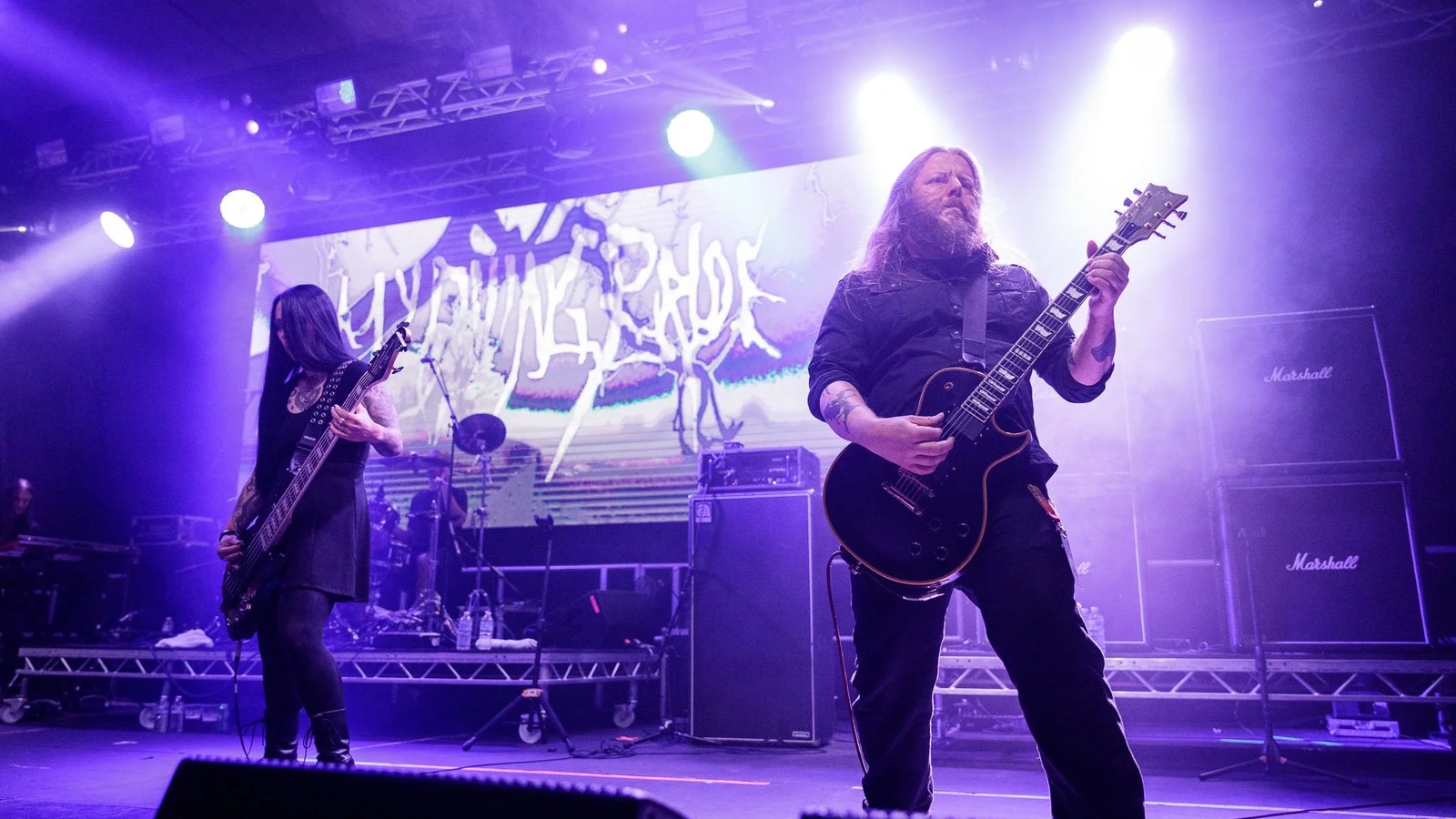
Death doom arrived when the growl met the dirge at the turn of the nineties. Winter released Into Darkness in 1990, and the three Peaceville bands from the north of England, Paradise Lost, My Dying Bride and Anathema, bolted death metal's voice and double kick onto tempos taken from Candlemass and Celtic Frost, then let in keyboards, female voices and a violin. Pushed until the pulse almost stops, the formula became funeral doom, raised by the Finnish mourners Thergothon and Skepticism, an organ hanging over the riffs like incense in a crypt and the growl buried so deep it seems to rise from under the flagstones.
Past that point even the drums give out. Earth released Earth 2 on Sub Pop in 1993, three tracks and 73 minutes of feedback and distorted guitar, and drone metal, later carried by Sunn O))), starts there. The whole cortege, from the first Black Sabbath session to the records of the present decade, is followed step by step in the history of doom, sludge and stoner.
Three neighbours share a border with doom metal and are often filed under it. Sludge metal kept the slow riff and scalded it with hardcore punk's disgust and feedback. Stoner metal dragged the same riff towards fuzz, groove and the psychedelic rock of the early seventies. Gothic metal grew out of death doom itself, after Gothic, the Paradise Lost album of 1991, gave its title to a style that traded part of the weight for melody.
The confusion is honest, because doom metal bands cross: Electric Wizard have been filed as stoner in America and as doom in Britain for the same record, and Cathedral went from the slowest album Earache had ever released to seventies heavy rock within two years. The test that holds is what the slowness is for. Groove means stoner, rage means sludge, romance means gothic. Grief is doom.
Eight records to hear first
A listening order for doom metal, not a ranking, starting at the source and moving out along the branches.
- Black Sabbath Black Sabbath Vertigo, 1970
The title track is the bedrock every later band on the list keeps digging back down to, the quarry the whole slab was cut from.
- Saint Vitus Born Too Late SST, 1986
The first album with Scott Weinrich, known as Wino, on vocals, a bleak record of alienation and abuse that hammered the traditional template into shape.
- Candlemass Epicus Doomicus Metallicus Black Dragon, 1986
The measure of epic doom, six songs that hoist grandeur and sorrow onto the same shoulders and never let either one drop.
- Paradise Lost Gothic Peaceville, 1991
Death doom with a guest female voice and orchestral parts laid across the crypt, and the record that gave gothic metal its name.
- My Dying Bride Turn Loose the Swans Peaceville, 1993
Martin Powell's violin and keyboards written into the songs rather than laid over them, set against riffs of full death metal tonnage.
- Thergothon Stream from the Heavens Obscure Plasma, 1994
One of the starting points of funeral doom, dirge slow and guttural, a cortege that seems to need a whole winter to cross one field.
- Electric Wizard Dopethrone Rise Above, 2000
Recorded in about three days, it dragged stoner doom back towards early Black Sabbath and Motörhead, and Terrorizer later named it the album of its decade.
- Pallbearer Sorrow and Extinction Profound Lore, 2012
The Little Rock band's debut, proof the traditional slab still had room to fall when it landed on year end lists far outside metal.

 Origins: Black Sabbath, Pentagram and the Decision to Slow Down
 The Eighties: Saint Vitus, Trouble, Candlemass and Epic Doom
 Stoner Metal: Kyuss, the Desert Generators and the Fuzz
 Sludge Metal: New Orleans, the Melvins and the Ugly Half of Doom
 Death Doom: Peaceville, Winter and the Slowest Extremity
 Funeral Doom: Thergothon, Skepticism and Music at Walking Pace
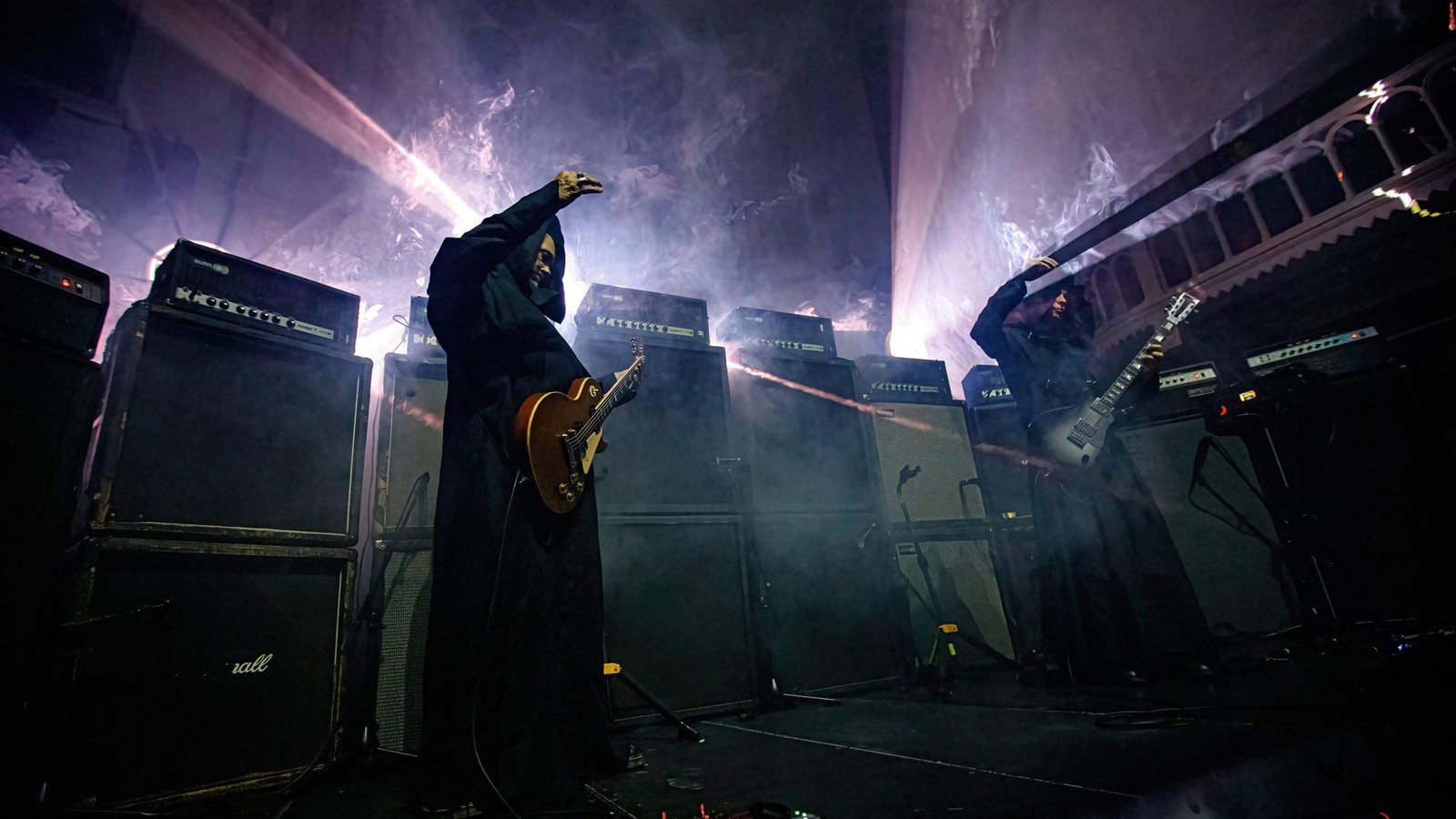 Drone Doom: Earth, Sunn O))) and the Riff Held Until It Breaks