Sludge Metal
Sludge metal, the slowest brawl in heavy music, was dragged out of Louisiana swamps and Bay Area punk clubs at the turn of the nineties and drowns the Black Sabbath riff in feedback and hardcore rage until the amplifiers sound ready to burst. Nobody apologises.
Slow, with clenched fists
The slow music with its fists still clenched, sludge metal, was born when hardcore punk slowed itself down to Black Sabbath's pace and built by musicians who had learned to play fast long before they chose to play slow, and it grinds the riff through low tuning and distortion until the notes smear into one tarred mass, then snaps into a hardcore gallop and drops back into the tar. Feedback is left running. The singer shouts and screams where a doom vocalist would carry a tune. The lyrics stay on the ground, with addiction, poverty, pollution and plain social rage where other slow bands keep their myths.
Every record works like a tow truck dragging a wreck across a gravel lot, the riff the chain pulled tight, the feedback the shriek of steel scraping stone, the tempo change the moment the chain snaps. Nothing gets polished. Guitar and bass are tuned so low the notes lose their edges, and the drummer holds a funeral tread only to kick it apart without warning.
What separates sludge metal from its neighbours is the missing exit. Doom metal turns the weight into grief and ceremony, stoner metal lets it drift off in haze and an easy groove, and post-metal lifts it towards a long crescendo and something close to release. Sludge bolts every one of those doors. It stays in the room with the damage.
Where sludge metal festers
Formed between 1988 and 1991 in New Orleans and the parishes around it, Eyehategod, Crowbar, Soilent Green and Acid Bath, the last of them from the small towns around Houma in the bayou country, turned Louisiana into the capital of the crawl and pressed some of the heaviest records of the early nineties. The trio credited with inventing the sound, the Melvins, had already left their mark on Nirvana and Soundgarden. That is why grunge and sludge still get mistaken for each other. The whole descent is followed in the sludge metal chapter of the doom history.
Out west, Neurosis came out of the punk scene around 924 Gilman Street in the Bay Area, and Boston raised Grief and Isis. Georgia sent the Atlanta quartet Mastodon and Savannah's Baroness, the two bands that bolted progressive technique onto the crawl, with Savannah's Kylesa beside them. Europe answered with Iron Monkey in Nottingham, Cult of Luna in Umeå, Amenra in Belgium and, a generation later, Conjurer in Rugby. The tar spread.
The borders are where the arguments start. High on Fire, Weedeater and Electric Wizard each stand with one boot in stoner territory, and the rule that sorts their records is mood: when the riff swings and the smoke is friendly the album leans stoner, when the voice is shredded and the groove turns hostile it leans sludge. The last border is a subgenre in its own right. From Souls at Zero in 1992 onwards a line of bands carried the riff out of the bar into long, layered songs built from samples and strings, and that line is post-metal.
Seven records first
Seven sludge metal albums cover the ground, roughly in the order the style grew.
- Eyehategod Take as Needed for Pain Century Media, 1993
Bitter blues riffs dragged through squalls of feedback, a tempo that lurches whenever it pleases, and the reference record of the Louisiana crawl.
- Crowbar Crowbar Pavement Music, 1993
Its two videos carried New Orleans sludge from an independent label onto MTV, where Beavis and Butt-Head gave the band airtime.
- Down NOLA EastWest, 1995
Men out of Pantera, Corrosion of Conformity, Crowbar and Eyehategod pooled their riffs in a New Orleans side project and dragged Sabbath straight through the swamp.
- Neurosis Through Silver in Blood Relapse, 1996
Seventy minutes of riffs, synthesizers and samples, a record The A.V. Club credits with a hand in defining post-metal.
- Mastodon Remission Relapse, 2002
The Atlanta debut where sludge tonnage collides with progressive arrangements, and the genre's next decade begins.
- Baroness Red Album Relapse, 2007
Produced by Phillip Cope of Kylesa, painted on the sleeve by John Dyer Baizley himself, and named the top metal album of 2007 by Revolver.
- Conjurer Mire Holy Roar, 2018
The Rugby quartet's debut hauls sludge and doom through post-metal passages, and Metal Hammer called it a new standard for the UK metal scene.
Sludge Metal News
All 57 stories →Sludge Metal Reviews
All 3 reviews → 8.5
8.5
Amenra
Mass VI
Six pieces of grief that weigh more than any riff on them.
 Ilse Brandt
Oct 19, 2026
Ilse Brandt
Oct 19, 2026
 8.0
8.0
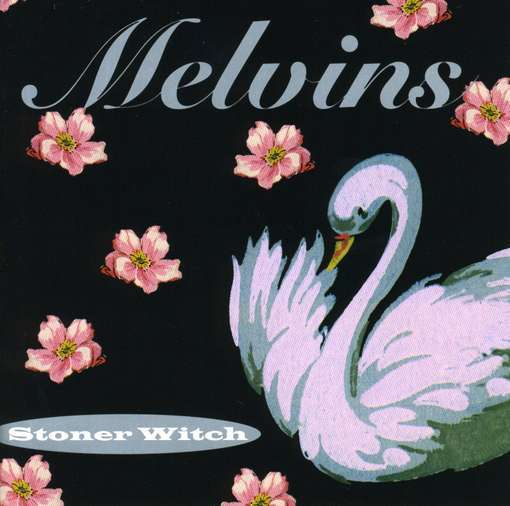
Melvins
Stoner Witch
A major label paid for the volume and had to take the madness too.
Ilse Brandt
Oct 16, 2026
 7.5
7.5
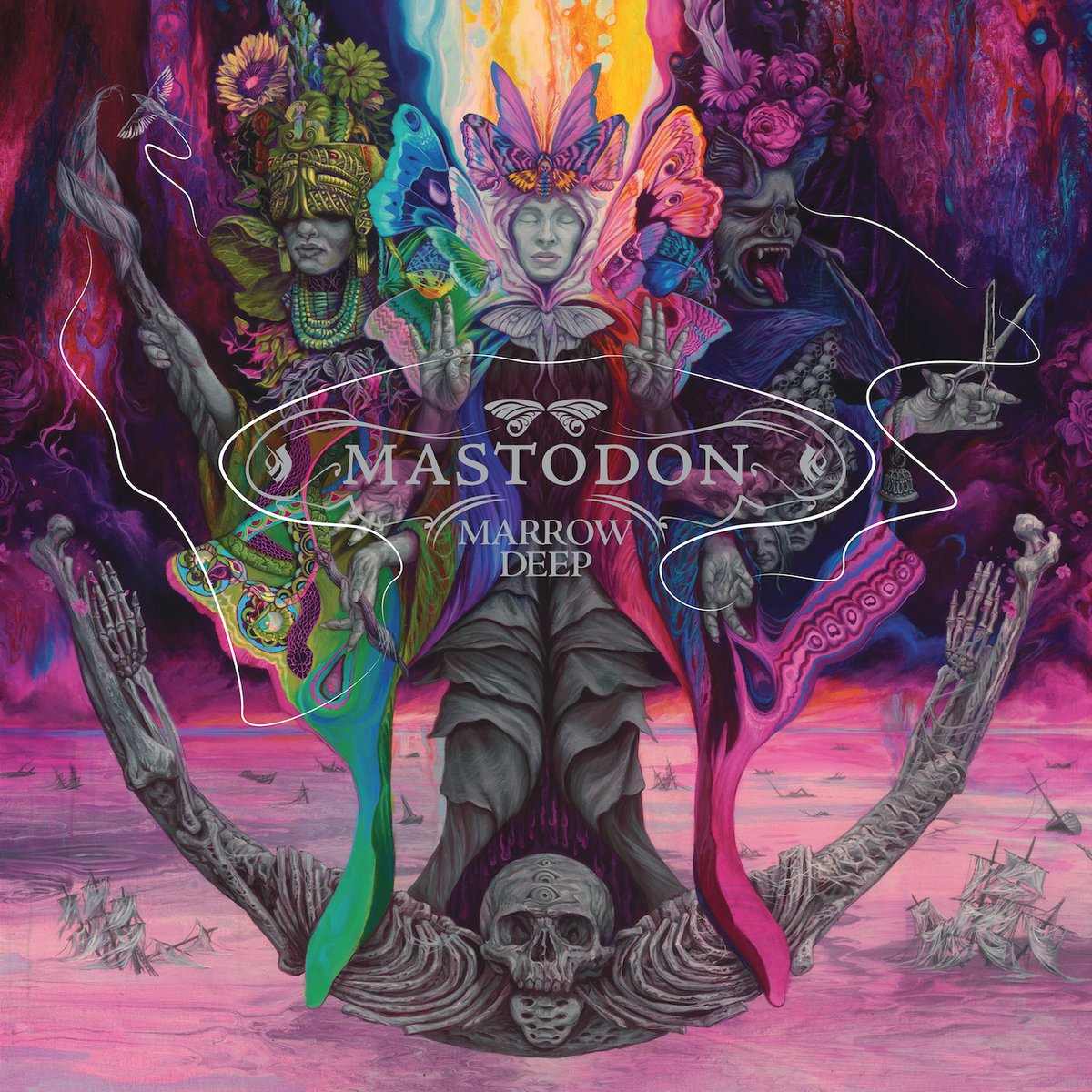
Mastodon
Marrow Deep
Four songs of real marrow, and too much bone packed around them
Ilse Brandt
Sep 3, 2026
Guides & Essentials
All 45 → Explainers
What Doom Metal Actually Means
Before it named a genre, doom named a judgement: the Old English word for a law, then the painting of the Last Judgement over a church arch. We trace the doom metal...
 Explainers
Is Alice in Chains Sludge Metal?
No: Alice in Chains is a heavy metal band from the grunge years that let sludge into Dirt and the 1995 dog record without ever becoming a sludge band. The missing pu...
 Genre Histories
Doom Metal in Japan
Doom took hold in Japan in a few rooms in the early 1990s and was kept alive for decades by a handful of bands. This is how Eternal Elysium, Boris, Corrupted, Church...
Band Biographies
All Sludge Metal biographies →