Stoner Metal
Stoner metal, the heavy music that learned to swing, is fed on fuzz pedals, tube amplifiers and the longest jams of the early seventies and rolls one down tuned riff like a boulder down a dry riverbed until the room nods along. The groove rules.
The riff that swings
The rehearsal room swing of the early nineties, stoner metal, rides a rhythm section that sways where every other heavy band marches, takes one down tuned riff, spins it until repetition stops being a device and becomes the engine of the song, and lets the bass throb under the guitar like a second pulse. The groove does the work. Every chord leaves the cabinet like a steamroller crossing hot tarmac, slow, wide and flattening whatever stands in front of the speakers. The drummer rides behind the riff instead of chopping it into pieces.
The family tree has three roots. Black Sabbath supplied the riff, Blue Cheer the volume and the feedback, Hawkwind the long drift into space, and the bands took all three and stretched the instrumental jam until the verse was left far behind on the road. Chris Goss, who produced Kyuss, has set the sound against the stiff, staccato metal of the eighties. The singing stays melodic. The name nods to cannabis, and several founding titles say so, but it describes a culture around the records rather than a condition for hearing them.
What separates stoner metal from its neighbours is the swing, and a band that loses it drifts over a border. Doom metal took the same Sabbath riff down to a funeral pace and loaded it with grief, while sludge metal kept the weight and scalded it with hardcore punk's rage and a shredded voice. Stoner keeps the smoke friendly. The riff nods, it never mourns and it never spits.
Stoner metal without a capital
Scattered from the first pressing, with no single city able to plant a flag on it, the sound took shape in four American places whose debut albums landed between 1991 and 1994: the desert quartet out of the Coachella Valley, Kyuss, the San Jose trio Sleep, the New Jersey space rock crew Monster Magnet and the Orange County hardcore punks turned fuzz merchants, Fu Manchu. Four scenes, one riff. In North Carolina the crossover band Corrosion of Conformity slowed into a Sabbath groove of its own. The march outward is told in the chapter on the desert and the fuzz.
Britain answered through Rise Above Records, the London label founded in 1988 by Lee Dorrian, formerly the singer of Napalm Death, which put out Orange Goblin and Electric Wizard, while Dorrian's own Cathedral traded the dirge for seventies heavy rock. Sweden sent Spiritual Beggars and later Truckfighters. The fuzz no longer needs sand to grow in. It runs today from Gothenburg's Monolord and Falun's Gaupa to Kyiv's Stoned Jesus, Warsaw's Dopelord and the South London folk horror of Green Lung.
Four borders start most of the arguments. Stoner rock is less a border than a second name, and most stoner metal bands answer to both. Stoner doom is where the tempo sinks and the dread returns, the country of Sleep's longest work and of Electric Wizard, while desert rock is narrower, tied to the circle around Kyuss. Grunge is the easiest confusion to explain: the same years, the same low tuning, the same Sabbath records on the turntable, with the Melvins feeding both sides and Soundgarden heavy enough to be filed next to Kyuss.
Seven records first
A listening order for stoner metal, not a ranking, from the first swerve out of doom to the fuzz of the present decade.
- Trouble Manic Frustration Def American, 1992
Rick Rubin produced the doom veterans as they sped into psychedelic seventies heavy rock, closing on a partial cover of Donovan's "Atlantis".
- Corrosion of Conformity Deliverance Columbia, 1994
Pepper Keenan's first album as lead singer, the crossover past shed for a riff machine bred on Black Sabbath, and in the end a gold record.
- Cathedral The Carnival Bizarre Earache, 1995
The Coventry band's groove record, filed as stoner and doom at once, with Tony Iommi himself playing guitar on "Utopian Blaster".
- Stoned Jesus Seven Thunders Roar Self-released, 2012
Five songs from Kyiv, among them the sixteen minute "I'm the Mountain", the loop carried a very long way from California.
- Dopelord Sign of the Devil Green Plague, 2020
Six songs of witching hours and riff worship from Warsaw, glacial weight broken open by psychedelic detours.
- Green Lung Black Harvest Svart, 2021
The South London band's second album, the Sabbath drive dressed in British folk horror and seventies heavy rock.
- Gaupa Myriad Nuclear Blast, 2022
The Falun band's second album wanders between psychedelic stoner rock, doom and folk, proof the swing travels well north of any desert.
Stoner Metal News
All 40 stories →Guides & Essentials
All 40 →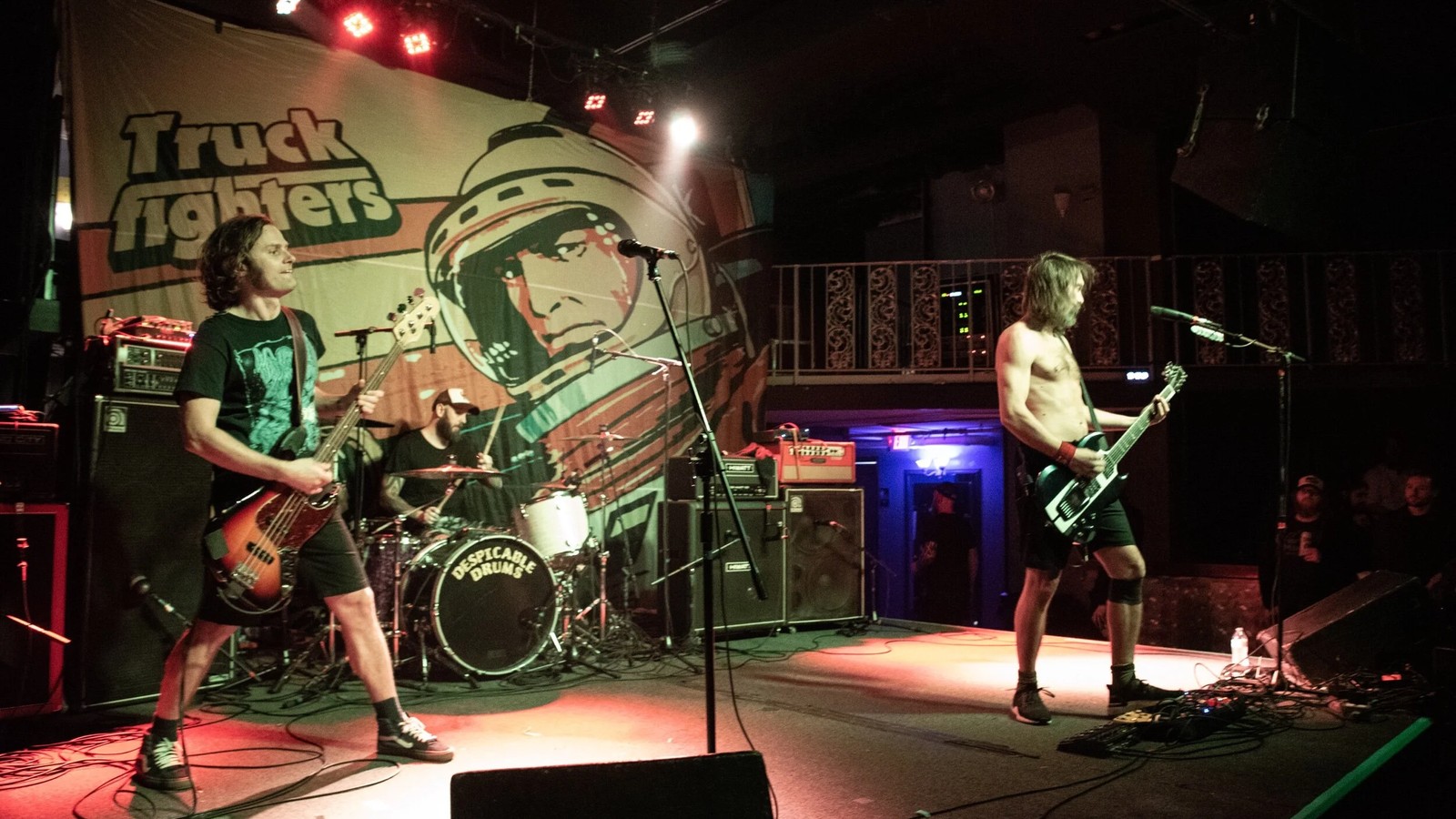 Essential Albums
A List of Stoner Metal Bands, by Scene
A directory of stoner metal bands filed by the scene each one keeps returning to, from the Coachella Valley and New Jersey to London, Örebro, Kyiv, Buenos Aires and...
 Essential Albums
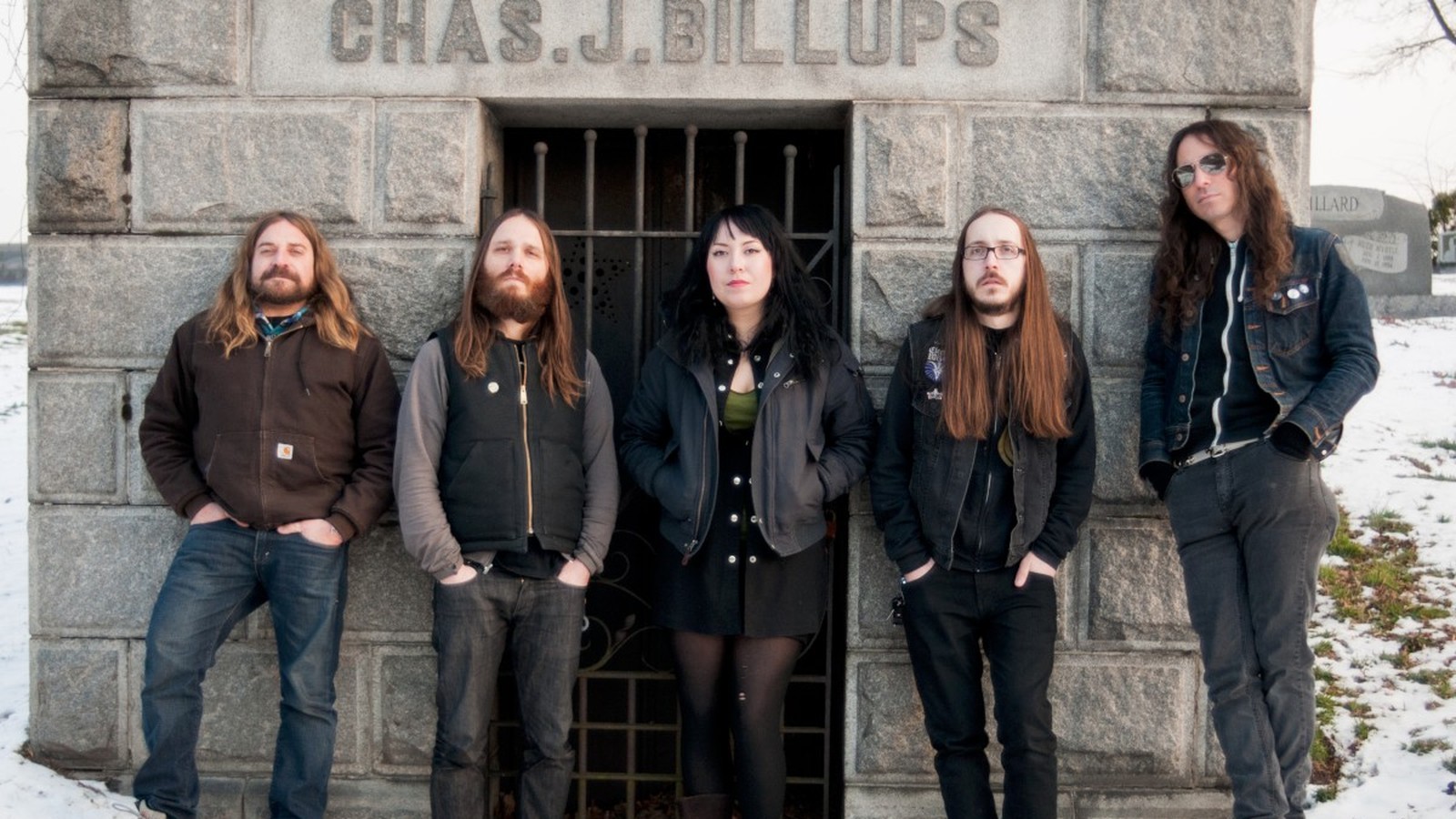
The Female Doom Metal Bands
Female doom metal bands earn their place here by the records, not the tag: Windhand's climb up the Billboard chart, Liz Buckingham's guitar in Electric Wizard, Lena...
 Genre Histories
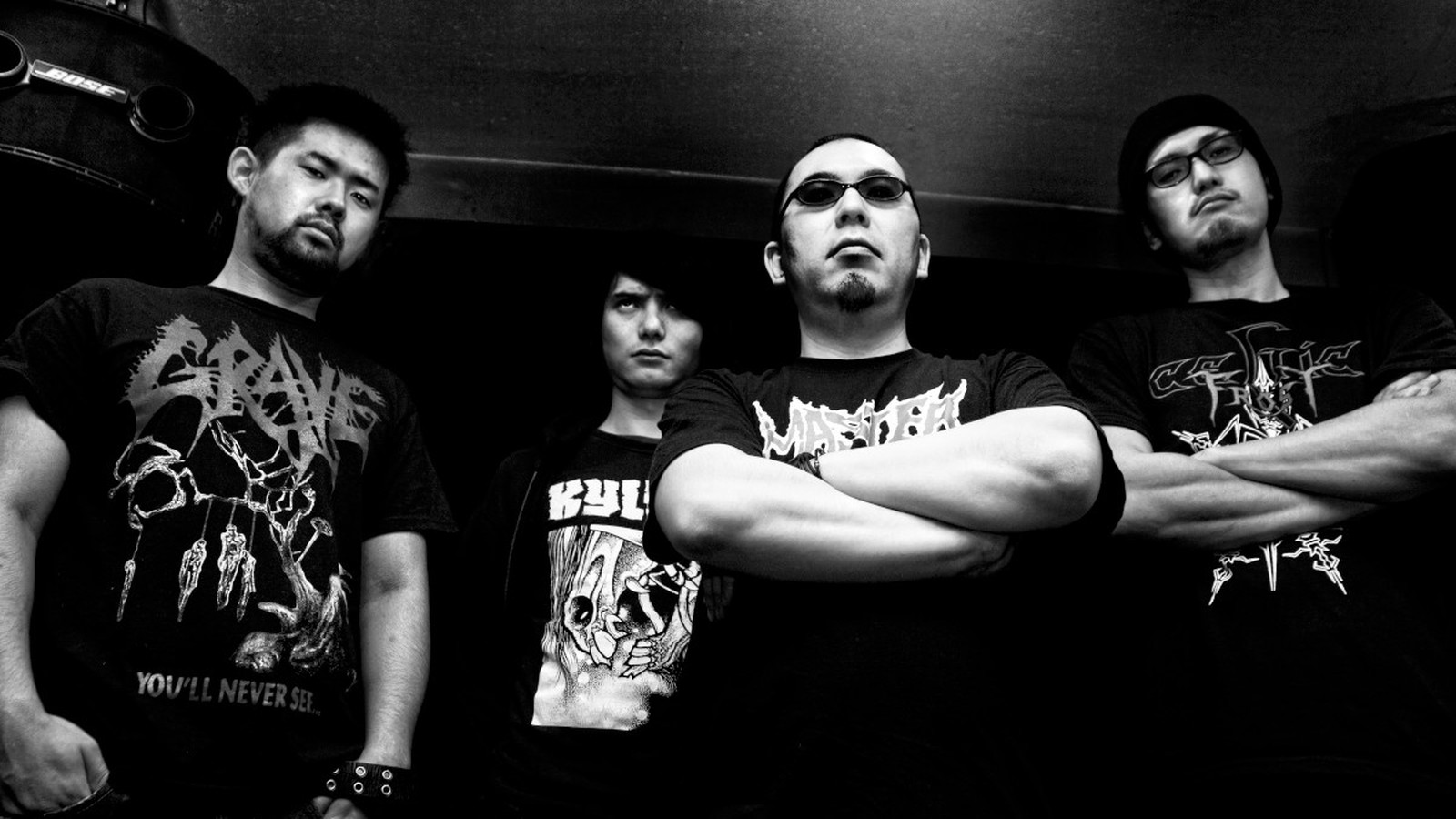
Doom Metal in Japan
Doom took hold in Japan in a few rooms in the early 1990s and was kept alive for decades by a handful of bands. This is how Eternal Elysium, Boris, Corrupted, Church...
Band Biographies
All Stoner Metal biographies →
Electric Wizard and the Heaviest Record of the Nineties
By Ilse Brandt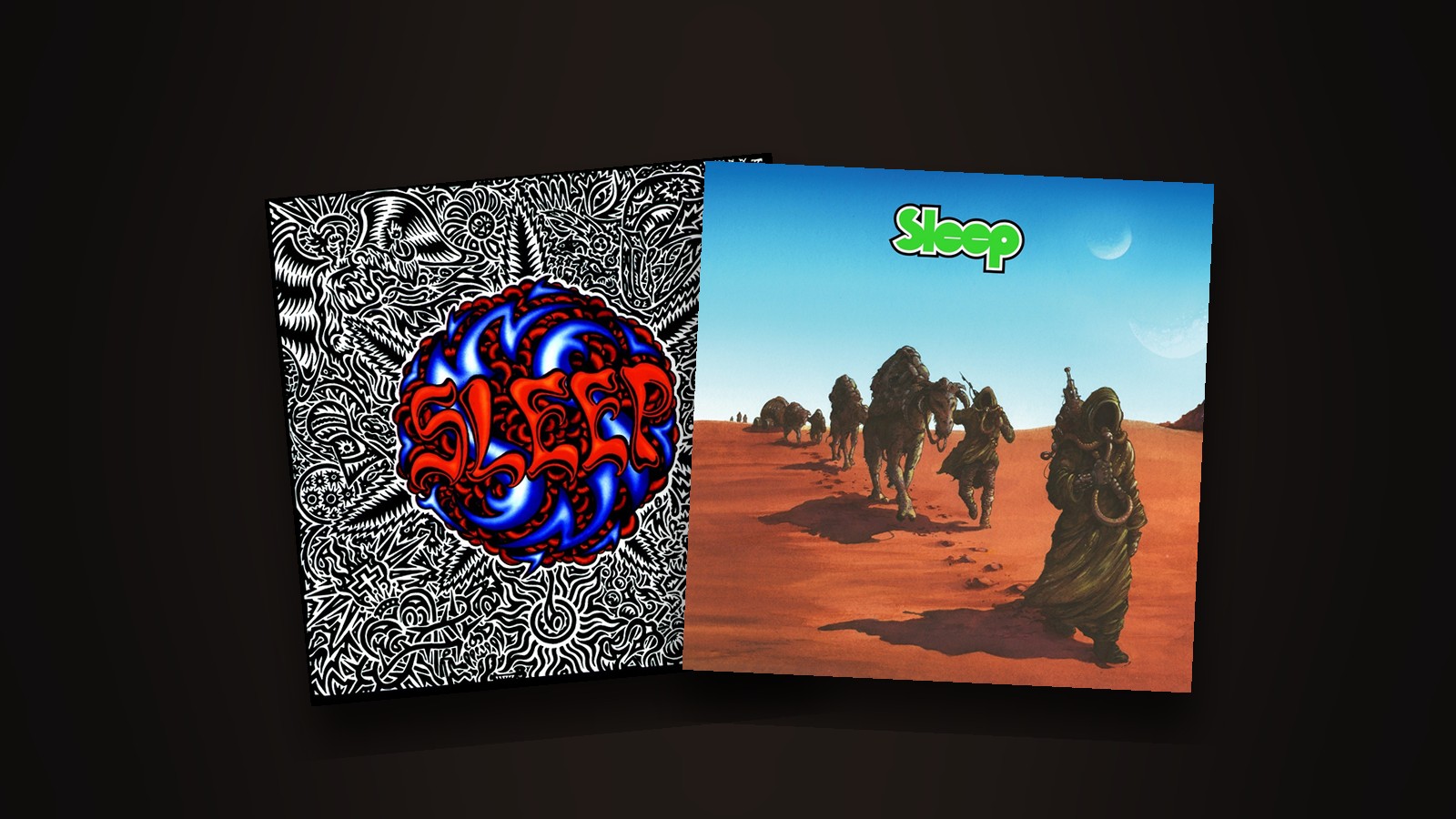
Sleep and the Hour Long Riff
By Ilse Brandt
The Melvins and the Record Everyone Copied
By Gareth Llewellyn