
Pagan Metal
Pagan metal, extreme metal with the old gods restored to the altar, climbs out from under the chapels of a converted continent and answers every church bell with a war horn sharpened on the myths the missionaries tried to burn. The debt is ancient.
Older than the church
The oldest grudge in extreme metal, pagan metal, rips the pre-Christian traditions of one people or region out of the museum case and welds them to black or folk metal, carrying them in through a concept, a rustic melody, an unusual instrument or an archaic language, then plants the result like a standing stone dragged back upright in the middle of a parish graveyard. It is an idea first. Pagan metal bands can be wildly different, some sprightly and spirited, others bleak and doomy enough to pass for funeral music.
The voice ranges from melodic chanting to unearthly growling, and the language question divides the scene: some bands sing in their native tongue, others in English. What separates it from its neighbours is reach. Viking metal keeps to the Norse gods and the sea, folk metal keeps to the tunes and the dance, and pagan metal claims any old religion anywhere, from Celtic Ireland to the mysteries of ancient Greece. Its map has no edge.
The roots run back to northern Europe in the early nineties, and the bands named as ancestors are Bathory, Enslaved, Amorphis and Skyclad, with In the Woods... among the first given the label. The old symbols come with a hazard attached. Skyforger added "No Nazi Stuff Here!" to their album covers, explaining that the sign they used belonged to the Baltic god of thunder thousands of years before the century that stole it.
Pagan metal's scattered altars
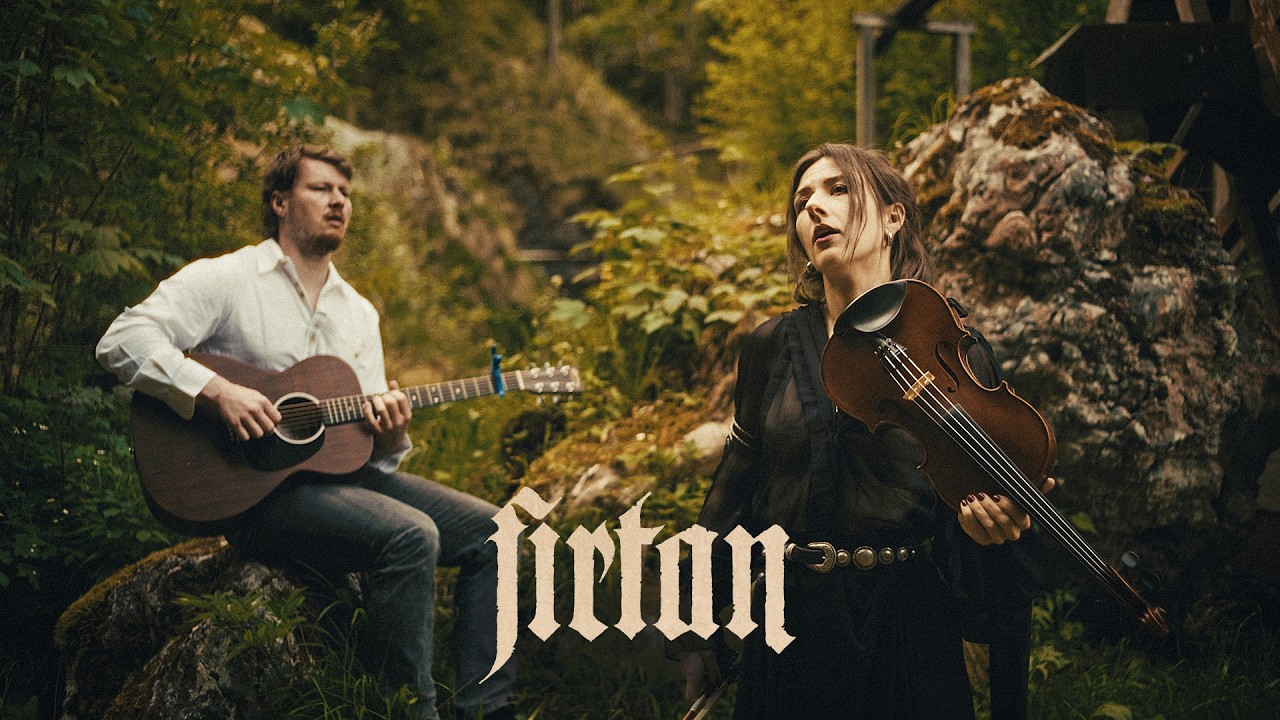
Scattered across the continent like the stones of a ring toppled and carted off to build a dozen churches, the map is drawn one people at a time: Primordial in Ireland, Moonsorrow in Finland and Kampfar in Norway, Skyforger and Obtest on the Baltic, Drudkh and Nokturnal Mortum in Ukraine, Kawir in Greece and Firtan in Germany. Each scene digs up its own dead. No two altars match.
Greece keeps the strangest shrine. Naming their 1997 debut after the Cabeiri, the gods of an ancient Greek mystery cult, and building the records that followed on the same old Hellenic religion, Kawir hold that altar the way a priest might keep one lamp burning in a sacked and roofless temple long after the city around it has been put to the torch. The flame never went out.
The borders run close on every side. Drudkh draw many of their lyrics from Ukrainian poets of the nineteenth and twentieth centuries and give no interviews at all, a silence as solid as a barred church door. Primordial, Moonsorrow and Skyforger turn up filed under black and folk metal as often as under pagan metal. The nearest parent remains black metal. Most of these records keep its frost.
Six stones to raise
Six pagan metal albums, from a Finnish forest in 2003 to the German underground of 2022. Play them outdoors.
- Moonsorrow Kivenkantaja Spinefarm, 2003
Six songs across nearly 54 minutes, one of them past thirteen, with fiddle, accordion and choirs raised over black metal and Finnish titles throughout.
- Skyforger Pērkoņkalve Folter, 2003
The Latvian band's third full length, its title meaning Thunderforge, recorded at Phoenix Studios and released through the German label in June 2003.
- Drudkh Autumn Aurora Supernal Music, 2004
The first Drudkh album with synthesisers, lyrics never released, and the album of the year for the webzine Chronicles of Chaos.
- Primordial To the Nameless Dead Metal Blade, 2007
Recorded in Wales on analogue equipment, mostly first or second takes, with A.A. Nemtheanga writing every lyric and singing every one of them.
- Kawir Isotheos Deathrune, 2012
The Greek band's fifth album, pagan black metal built on the religion of ancient Greece, with the title printed on the sleeve in Greek.
- Firtan Marter AOP, 2022
The German band's third full length, built on 6/8 rhythms and acoustic passages, about a modern individual torn between spiritual hope and failure.
Pagan Metal News
All 5 stories →
Guides & Essentials
All 3 → Genre Histories
Danish and Baltic Black Metal
Two corners of the north that never became scenes, for opposite reasons. Denmark exported its founding record before black metal existed and then went quiet for twen...
 Explainers
Corpse Paint, Logos, Forests and the Rest of the Iconography
Black metal is the only style in metal whose visual language is codified as tightly as its music, and the codification happened fast and on purpose. Corpse paint, th...
 Explainers
Black Metal Subgenres Explained
Atmospheric, depressive, symphonic, raw, blackgaze, pagan, melodic, dungeon synth, industrial, medieval and the border with death metal. Every branch of black metal,...