

NWOBHM
The new wave of British heavy metal, pressed on independent singles, printed in Sounds and played faster than the old guard dared, tore the blues out of hard rock and handed the burning parts to thrash and black metal. Thrash was taking notes.
Punk speed, British steel
The fastest workshop in British rock, the NWOBHM, was born in the same years punk proved a band needed nobody's permission, and it took the heavy rock of the 1970s, threw the ballads and most of the blues on the scrapheap and ran what was left through faster tempos, shorter songs and a wall of power chords. The riff came first. Vocals ranged from a high wail to a gruff bark, and the polished harmonies of the older bands were cut back to make room for speed. Production was often thin. Nobody asked for it thicker.
What separates the new wave of British heavy metal from the Judas Priest and Black Sabbath records it grew out of is the way it was made. Recorded on cassette demos and privately pressed singles and sold through independent labels such as Neat, Heavy Metal Records and Ebony, the music reached the shops raw, with the punk ethic stapled to the sleeve. Picture a lathe in a Tyneside workshop turning out parts faster than any inspector can check them: the tolerances are loose, the metal is still hot, and every piece fits the engine. That engine was thrash, a few years later.
NWOBHM, Tyneside to the Bay
The map has several capitals. London gave the wave Iron Maiden, Angel Witch and Samson, Barnsley gave it Saxon, Sheffield Def Leppard, Stourbridge Diamond Head, and Newcastle sent Raven, Tygers of Pan Tang, Venom and Satan. Compiled by Neal Kay and released by EMI in February 1980, the Metal for Muthas compilation climbed to number 12 on the UK album chart with some of Iron Maiden's earliest recordings. The press followed. In June 1981 Sounds spun off a supplement edited by Geoff Barton and named Kerrang! after the sound of a power chord, and it soon stood on its own.
The borders blur in three directions. Def Leppard took the guitars to America and drove Pyromania to number two on the Billboard 200 in 1983, which helped hand the mainstream to glam. Speed and thrash took the tempo: Motörhead, Venom and Tank are counted among their precursors, and Lars Ulrich paid the debt in 1990 by compiling New Wave of British Heavy Metal '79 Revisited, a double CD of the records his generation had worn thin. Cut in three days in Newcastle, Welcome to Hell pushed the other way, into black metal. All of it hangs off heavy metal, the trunk the wave grew from.
It did not last. Geoff Barton himself declared the NWOBHM finished in 1981, tired of weak new bands and of labels squeezing the rest, and by the middle of the decade glam owned the charts. The records outlived the verdict. Iron Maiden went on to top the UK chart with The Number of the Beast in April 1982, and since the 2000s the new wave of traditional heavy metal has been running the old lathe again.
Where to start
Eight NWOBHM albums pressed between 1980 and 1983, and every one of them still hot to the touch.
- Iron Maiden Iron Maiden EMI, 1980
Paul Di'Anno at the microphone, Steve Harris's bass at the front and thirteen days of recording in London, driven to number four in the UK.
- Saxon Wheels of Steel Carrere, 1980
The Barnsley five at their chart peak, number five in the UK, with the title track and "747 (Strangers in the Night)" rolling off the line.
- Diamond Head Lightning to the Nations Happy Face, 1980
First pressed in a thousand copies in a plain white sleeve, sold at gigs and by post, and later stripped for parts by Metallica for "Am I Evil?".
- Angel Witch Angel Witch Bronze, 1980
Cut at Roundhouse Studios in London, sleeved in a painting of fallen angels entering Pandemonium, and mined ever since by thrash, doom and extreme metal bands.
- Girlschool Demolition Bronze, 1980
Vic Maile at the desk, number 28 in the UK, and a debut from the London band that won support slots with Black Sabbath and Uriah Heep.
- Tygers of Pan Tang Spellbound MCA, 1981
Jon Deverill's first album on vocals, John Sykes arriving on second guitar, Chris Tsangarides producing, and number 33 on the UK album chart.
- Venom Welcome to Hell Neat, 1981
Recorded in three days at Impulse Studios in Newcastle, the raw blast that the writer Dayal Patterson names as the place black metal was born.
- Satan Court in the Act Neat, 1983
Brian Ross on vocals, recorded in Newcastle in August 1983, and guitar leads so fast the record sits on the border of a thrash not yet named.
NWOBHM News
All 25 stories →
NWOBHM Reviews
All 4 reviews → 8.0
8.0
Tygers of Pan Tang
Electrifyed
The old station runs hot again, right up to its rated load
 Declan Rourke
Sep 17, 2026
Declan Rourke
Sep 17, 2026
 9.4
9.4
Iron Maiden
The Number of the Beast
One lame horse in the column, and still the charge that took the field.
Declan Rourke
Aug 20, 2026
 8.5
8.5
Saxon
Wheels of Steel
The album that bought a career, and still sounds like it knew.
Declan Rourke
Aug 1, 2026
 7.5
7.5
Saxon
Hell, Fire and Damnation
Saxon remains an unyielding force in heavy metal, persistently delivering quality music for over four decades. Hell, Fir...
Declan Rourke
Mar 19, 2024
Guides & Essentials
All 4 →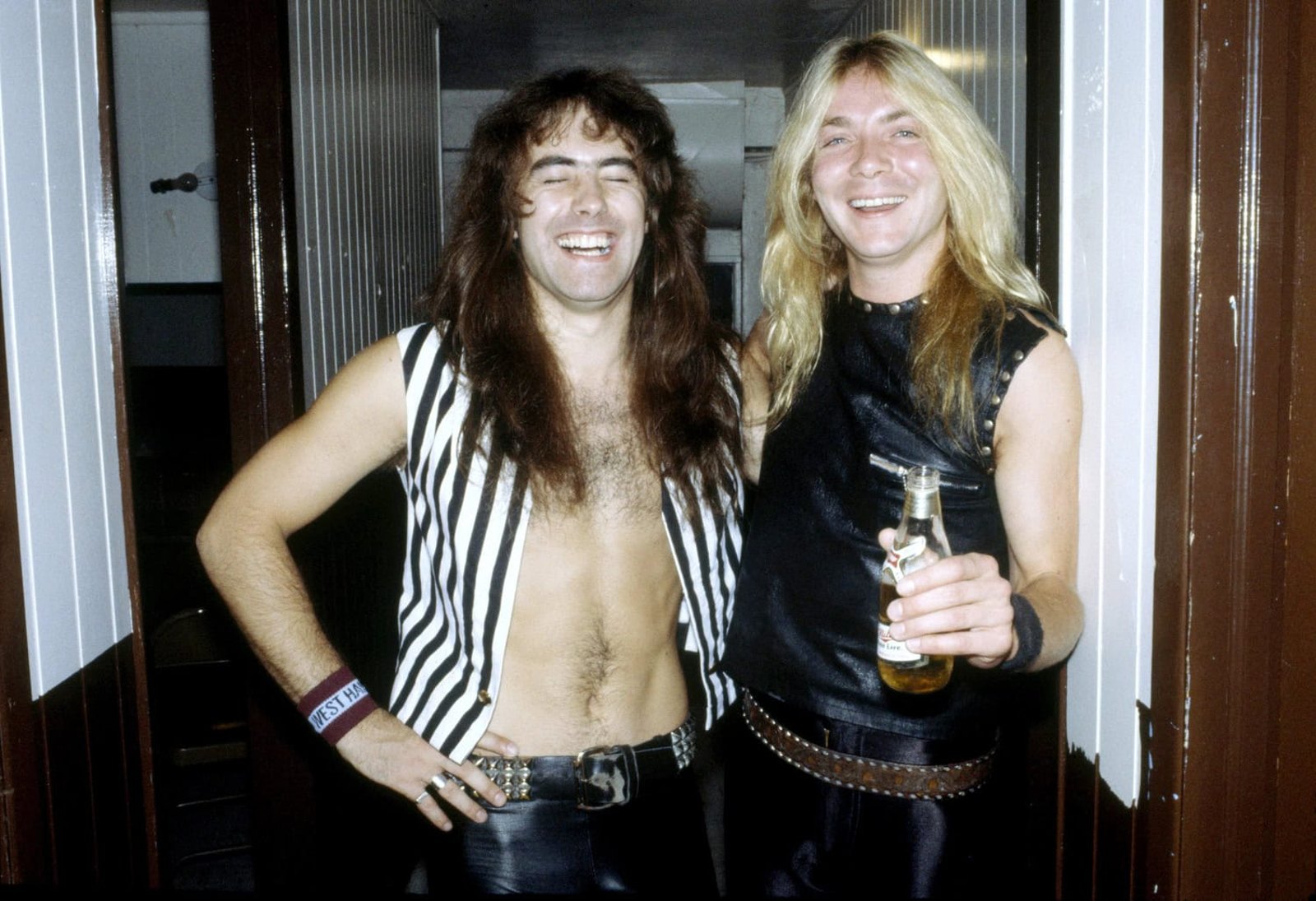 Explainers
Is Iron Maiden NWOBHM?
Formed on Christmas Day 1975, three and a half years before the phrase existed, and still the band the new wave of British heavy metal cannot be told without. Why th...
 Explainers
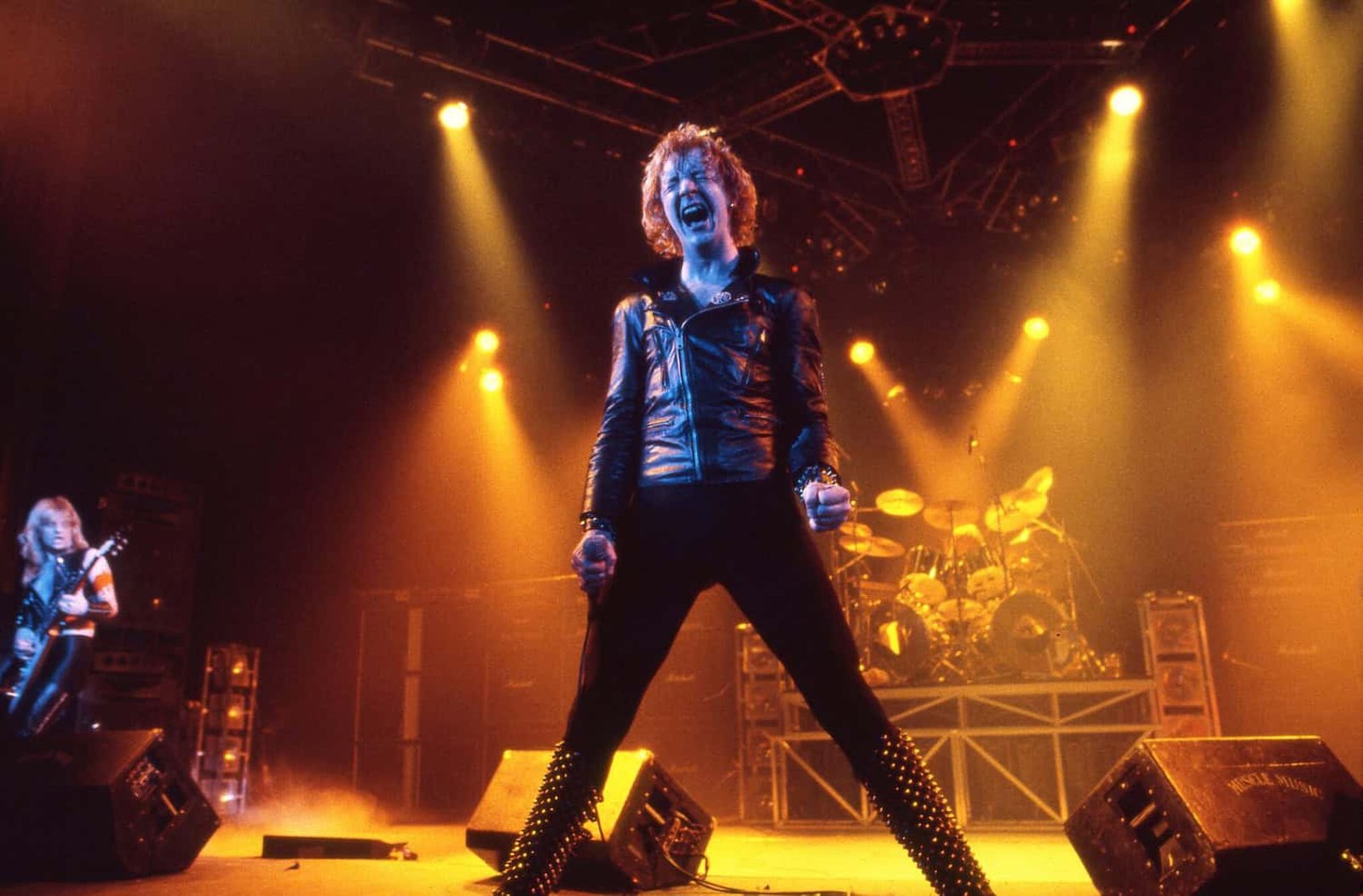
Is Judas Priest NWOBHM?
Five studio albums before the phrase existed. Judas Priest gave the new wave of British heavy metal its twin guitars, its uniform and its speed, and shared its chart...
 Essential Albums
The Best NWOBHM Albums
Most of the wave's records went down with their labels. Ten albums came up sealed, from Iron Maiden's debut and Wheels of Steel to Lightning to the Nations, Welcome...