
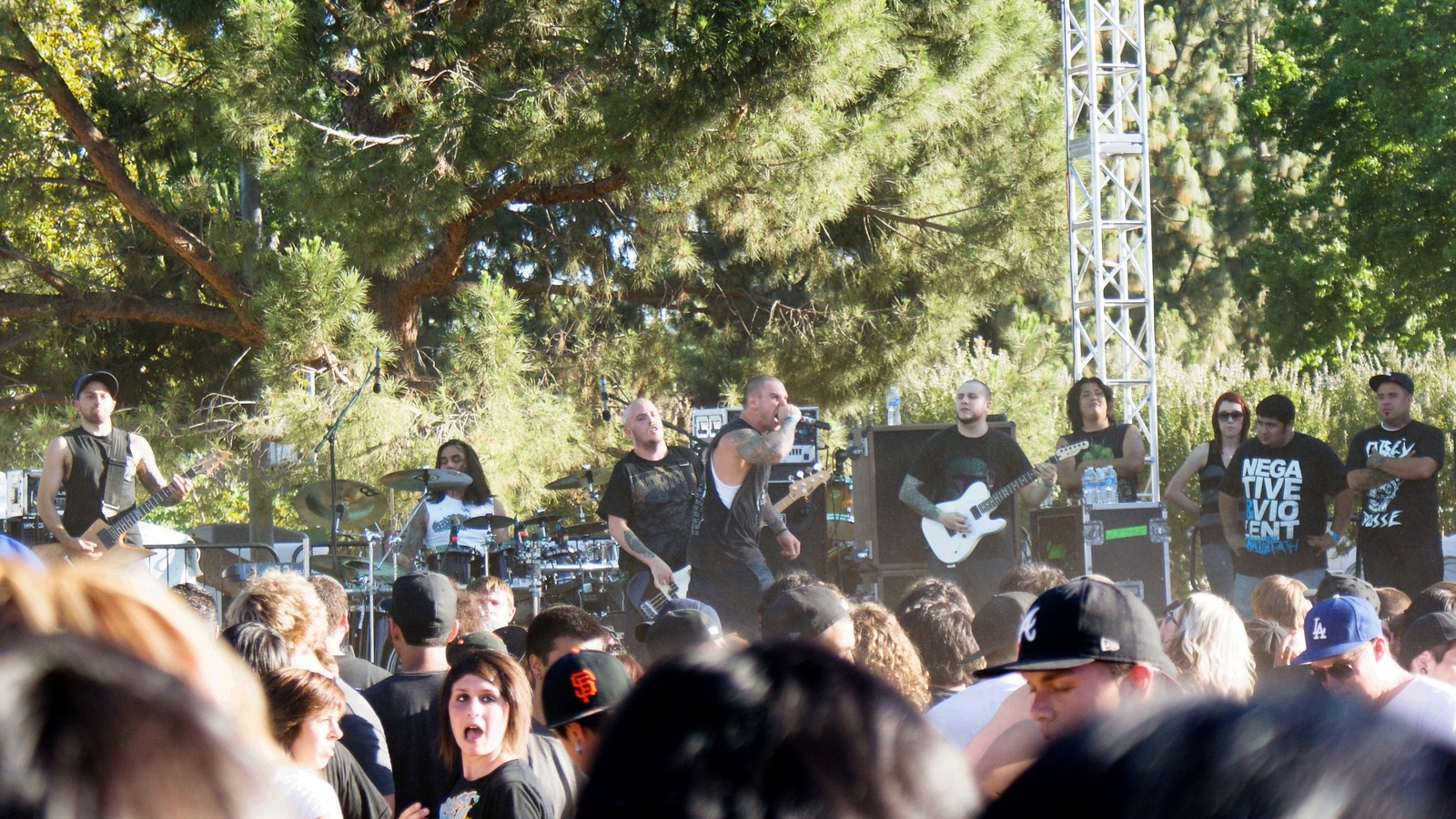
The myspace era deathcore boom was the first time a heavy scene was built from the floor up before anyone had sold it a record. The friends came first, then the crowds, then the vans and the shirts, and between the winter of 2005 and the end of 2009 the record labels turned up last of all, chequebooks out, to sign what a free website had already finished assembling.
Nobody planned it that way.
Formed in December 2003 in Glendale, Arizona, by players who were fifteen and sixteen years old, posting its first songs to a MySpace profile in 2004 and pressing an EP called Doom in December 2005, the quintet from the Phoenix suburbs that kicked the door off the old route to an audience was Job for a Cowboy, and by the time 2006 ran out the traffic on that one page had flattened every waiting room the business still kept between a band and the people who wanted to hear it.
Picture a band page on MySpace in 2006 as a fire hose bolted through a bedroom window and left running. The player started by itself the second the page loaded, so every kid who clicked through from a friend's Top 8 took the breakdown full in the face before deciding to listen to anything at all, and the pressure kept coming until it ripped the window frame out of the brick and flooded the whole street. That was the trick. Nobody had to choose.
How myspace era deathcore travelled: a profile page that played itself
The old argument over the first deathcore band, whether the honour sits in Montreal, in the Bay Area or with a Christian label in Texas, belongs to the years before this one. What changed after 2005 was not who played the music but how it moved, and the machine that moved it had been switched on in August 2003 and sold to News Corporation in July 2005 for 580 million dollars.
A band profile carried a music player, a public count of friends and plays, a wall of comments, a list of show dates and the Top 8, the row of favourite friends every user chose and rearranged in public. Each of those parts did a job a label or a magazine used to do. The player was the radio. The comments were the fanzine letters page. The show list was the flyer stapled to a telephone pole, and the Top 8 was the word of mouth, because a band that sat in the Top 8 of a bigger band borrowed that band's whole audience for free, a click away.
The numbers were the part nobody had seen before. A play count and a friend count sat at the top of every page where anyone could read them, so anyone in a town three states away could see how big a band was without ever hearing of it, and when Metal Blade signed Job for a Cowboy in June 2006, its owner Brian Slagel put the band's promotion through its own MySpace page into the signing announcement. The garrison of A&R men who had decided for thirty years which bands got to leave their hometown found the gate already open and the bands already gone.
It suited the music down to the ground. Deathcore songs open on a blast and pay off on a breakdown, and the payoff lands inside the first minute often enough that a stranger hearing a song by accident, half a verse into a page that had started playing on its own, got the whole argument before the tab was closed. A slow-building record would have died on that player. These did not.
Doom, December 2005, and the EP as the unit of the scene
Released at the start of December 2005 in a pressing the band paid for itself and then picked up for distribution by King of the Monsters, an independent label in Scottsdale, the record that drove the traffic was Doom, and in June 2006 Job for a Cowboy signed to Metal Blade, which reissued the EP that year with a bonus track called "Entities". A handful of songs on a website had done in a few months what a decade of demo tapes had never managed for anyone.
"Entombment of a Machine" was the song that did the work, and it got the band's first music video, directed by Richie Valdez: an old man burying machines in the ground, cut between shots of the band playing in the desert. AllMusic's review of the EP remembered the result as MySpace copycats arriving almost overnight, some of them lifting the band's logo font. The copycats turned out to be the next wave of bands.
The format mattered as much as the song. An EP was short enough to pay for with a summer job, quick enough to record over two weekends and exactly the right length for a profile player that showed a few songs at a time, so the EP became the unit the whole scene was counted in. Suicide Silence had put out a self-titled EP in 2005; Carnifex issued two in 2006; Born of Osiris put out The New Reign, an EP, on Sumerian in 2007 before its first full length; and Chelsea Grin in Salt Lake City and Thy Art Is Murder in Sydney both arrived in 2008 with an EP first and an album second.
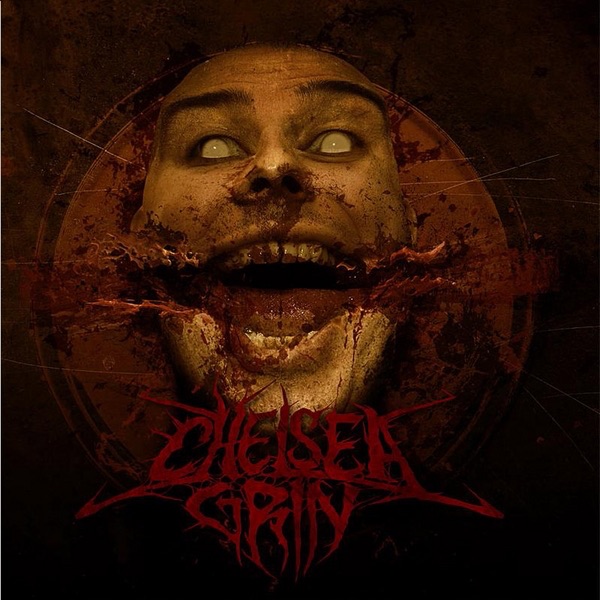
Chelsea Grin's self-titled EP, put out by the band itself as a download on 27 July 2008, is the type specimen. Formed in 2007 under another name, the Utah band had a record out within a year and a contract for a full length within two, and nothing about that pace was unusual by then. Unusual would have been waiting.
Riverside, Knoxville, San Diego: the class of 2006 to 2009
California built a big share of the first canon, but nobody owned it. Suicide Silence came out of Riverside on The Cleansing, released by Century Media in September 2007, with Mitch Lucker's pig squeal out in front. Out of San Diego came Carnifex, whose debut Dead in My Arms appeared on This City Is Burning Records in July 2007 before Victory took them on for The Diseased and the Poisoned a year later. Further up the coast, All Shall Perish had put out The Price of Existence through Nuclear Blast in 2006 and followed it with Awaken the Dreamers in 2008.
The South answered with three guitars. Formed in Knoxville, Tennessee, in 2006, signed first to the British label Siege of Amida, which released The Somatic Defilement in July 2007 with Candlelight carrying it in North America, and then to Metal Blade for This Is Exile in July 2008, the sextet that put a third guitarist on stage to bury the rhythm section under one more layer of seven-string chug was Whitechapel. Montreal kept its place in the canon too. Despised Icon stayed with Century Media for The Ills of Modern Man in 2007 and Day of Mourning in 2009, the two singers still trading low and high like a relay team.
The player was the radio, the comments were the fanzine letters page, and the Top 8 was the word of mouth.
The map filled in fast after that. From Upland, California, Winds of Plague laid keyboards and string patches over the breakdowns on Decimate the Weak for Century Media in 2008; the Riverside Christians in Impending Doom released Nailed. Dead. Risen. on Facedown in 2007; As Blood Runs Black in Los Angeles had put out Allegiance on Mediaskare in 2006; Emmure brought the bounce of the Northeast to Victory with Goodbye to the Gallows in 2007; and Oceano came out of Chicago with Depths on Earache in 2009. Chicago and its suburbs also sent Born of Osiris and Veil of Maya, who took the genre somewhere more angular, and from Minneapolis came After the Burial, all three of them on a label that had not existed when MySpace launched.
Listen to the class side by side and the sameness people complained about at the time turns out to be a shared toolkit with very different hands on it. Whitechapel buried everything under guitars; Winds of Plague put keyboards on top; Despised Icon kept the Montreal grind; Veil of Maya chopped the riff into odd shapes; Emmure stripped it down to the bounce. Same parts. Different machines.
The labels that came to collect
The labels arrived after the crowds, and they arrived in force. Metal Blade, the California label Brian Slagel had founded in 1982, had Job for a Cowboy and then Whitechapel; Century Media, which had made its name in the nineties with European extreme metal, took Suicide Silence, Despised Icon and Winds of Plague; and Victory, the Chicago label that had sold a generation of hardcore records, signed Carnifex and Emmure. Each had a roster to protect and a reason to want a piece of the kids who were filling the rooms.
The new labels told the story better than the old ones did. Founded in 2006 by Ash Avildsen and run at first out of a one-bedroom apartment in Venice Beach, with The Faceless among its first bands, the company that turned the progressive end of the scene into a house sound was Sumerian Records, and Born of Osiris signed in April 2007, Veil of Maya in January 2008 and After the Burial in 2008, so that by the end of the decade all three were on it. A label born in the same years as the scene could read a friend count the way the bands did. That was the advantage.
The rest of the field was crowded. Most of the homes had been built for other music: Ferret Music, the New Jersey metalcore label, took the California bands Elysia and Knights of the Abyss; Earache, the British grind label, carried Oceano; Mediaskare carried As Blood Runs Black; and Facedown gave the Christian side of the scene a home. Late in 2009 Eric Rushing of the Artery Foundation, a management company, announced a label of his own, Artery Recordings, set up as an imprint with Razor & Tie, and its first signing was Chelsea Grin, whose Desolation of Eden came out on 16 February 2010 and reached number 21 on the Billboard Heatseekers chart.
Put those names in order of arrival and the sequence is plain. The labels were the last link in the chain, not the first, and a covenant that had held since the sixties, label first and audience second, was torn up by kids who had never been told it existed.
Package tours, from Summer Slaughter to the Warped Tour
The profile page could fill a room, but it took a tour bill to fill a summer. The Summer Slaughter tour began in June 2007 under Necrophagist, with As Blood Runs Black, Ion Dissonance and Beneath the Massacre on the same bill as Decapitated and Cattle Decapitation, and the next three years became a campaign that put Despised Icon, Whitechapel, Born of Osiris, Winds of Plague, After the Burial, All Shall Perish, Veil of Maya and Carnifex on stages shared with technical death metal. Suicide Silence headlined its European leg in 2008. That is the story twenty-five years of the breakdown keeps coming back to: deathcore earned its place by standing on the same stage as the music it borrowed from, every night, and being heard.
The other summer road ran through the parking lots. In the summer of 2010 the Warped Tour, the travelling punk festival that had carried pop punk and screamo to suburban teenagers since the nineties, put Suicide Silence, Whitechapel, Emmure and Bring Me the Horizon on its bill, playing on asphalt to kids who had come for something else entirely. Suicide Silence had already played the Mayhem Festival in 2008. Every one of those dates put the breakdown in front of people who had never clicked on it.
On the road the music did what it was built to do. A package bill in a mid-sized club meant a breakdown from every band on it, each one landing like a box of four hundred jewel cases tipped off a hand truck at the venue's back door, every case cracking on the concrete in the same instant, and the bands learned fast which breakdowns made the room move and which only made it nod.
Genesis, No Time to Bleed and the Billboard 200

The charts caught up in May 2007. Released by Metal Blade on 15 May and selling close to 13,000 copies in its first week in the United States, Genesis entered the Billboard 200 at number 54 and put the band of the Doom EP on the same sales list as the major label rock acts of the day. It was also the record on which Job for a Cowboy started moving away from the sound that had made them, toward straight death metal.
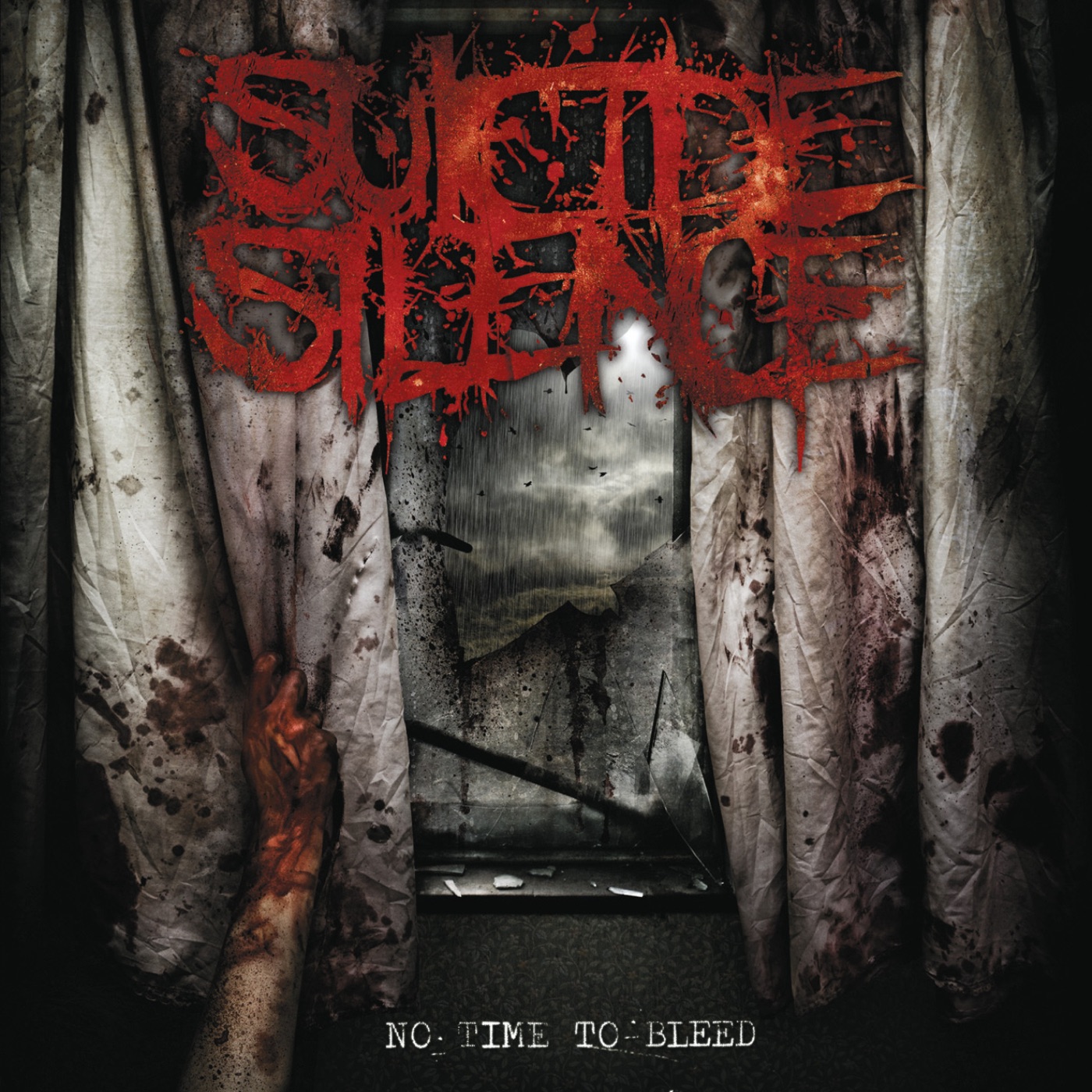
Two summers later the Riverside band went higher still. Released by Century Media on 30 June 2009 and selling about 14,000 copies in its first American week, No Time to Bleed entered the Billboard 200 at number 32, higher than any other record of the class.
"Wake Up" opens the record, and it is the song Century Media sent out with an official video. A breakdown of the kind the album is built on hits like a row of gymnasium bleachers driven home by its motor, a hundred feet of varnished pine folding into the wall in one bang that empties the air out of the room. That was the point of it.

Whitechapel closed the run. Their This Is Exile had entered the Billboard 200 at number 118 on 5,900 copies in July 2008, and on 8 June 2010 Metal Blade released A New Era of Corruption, which sold about 10,600 copies in its first week and entered the chart at number 43. Between those two records the Knoxville band had nearly doubled its first-week sales, with the same three guitars.
"Breeding Violence", the second song on that record and the one Metal Blade put out with an official video, is where the three guitarists, Ben Savage, Alex Wade and Zach Householder, were put to work. When three players land on one low riff together it is like three full kegs set down at once on one card table behind a club bar, the legs buckling outward and the top splitting down the middle.
| Release | Record | Label | Chart |
|---|---|---|---|
| May 2007 | Job for a Cowboy, Genesis | Metal Blade | Billboard 200, number 54 |
| September 2007 | Suicide Silence, The Cleansing | Century Media | Billboard 200, number 94 |
| June 2008 | Carnifex, The Diseased and the Poisoned | Victory | Heatseekers, number 19 |
| July 2008 | Whitechapel, This Is Exile | Metal Blade | Billboard 200, number 118 |
| June 2009 | Suicide Silence, No Time to Bleed | Century Media | Billboard 200, number 32 |
| July 2009 | Job for a Cowboy, Ruination | Metal Blade | Billboard 200, number 42 |
| February 2010 | Chelsea Grin, Desolation of Eden | Artery | Heatseekers, number 21 |
| June 2010 | Whitechapel, A New Era of Corruption | Metal Blade | Billboard 200, number 43 |
Those eight records share one thing. Not one of them came from a major label, and each one sold on the strength of an audience that had found the band through a free profile page first. The profile page did not cost the bands sales. It was where the sales came from.
Swoops, snakebites and the band that walked out
The scene had a look, and the look travelled the same way the songs did, through profile pictures. Swooped fringes dyed black, snakebite piercings under the lower lip, stretched earlobes, black skinny jeans and band shirts with a logo you could actually read from the back of the room: it was cheap, it was easy to copy from a photograph and it marked out who belonged at a show before anyone opened their mouth.
Not everyone in the photographs stayed. Formed in Sheffield in 2004 and signed to the London label Visible Noise, the five-piece whose debut Count Your Blessings arrived on 30 October 2006 full of squeals and breakdowns, and put a British band on the American deathcore map, was Bring Me the Horizon, and its follow-up, Suicide Season in September 2008, was already somewhere else, metalcore on the way to far bigger rooms.
Job for a Cowboy left too, in its own way. Ruination, released in July 2009, sold about 10,600 copies in its first week and entered the Billboard 200 at number 42, and it was a death metal record with no apology about it. The two bands that had led the first offensive out of the bedrooms were both gone from it by the end of the decade, and the sound did not notice. It had a hundred other bands by then.
The profile page did not cost the bands sales. It was where the sales came from.
The backlash, and the year the page went quiet
The backlash came from both parents at once, and it is worth hearing on its own terms. Death metal listeners heard riffs written to set up a breakdown rather than to stand on their own, solos left out, drums triggered and quantised until every kick landed on a grid, and they called it a step backwards. Hardcore listeners heard breakdowns stretched so long and tuned so low that they stopped being part of a song and became the song. The unbelieving had a point about the parts. They missed what the parts were for.
The answer was mechanical, and it was in every room. A riff that sets up a breakdown is doing a job, the way a run-up does a job for a long jump; a quantised kick drum is a choice about clarity at volume, not a failure of nerve; and a breakdown that lasts sixteen bars is long because the floor needs sixteen bars to open up and fill back in. Critics who judged the records by the rules of the parent genres heard what was missing. The kids heard what was there. Both were describing the same records accurately.
Then the infrastructure went quiet. In May 2009 comScore counted more American visitors on Facebook than on MySpace for the first time, and the friend counts that had once measured a band stopped meaning much to anyone. On 7 April 2010 Despised Icon announced its break-up in a statement posted on MySpace, with final tours to run through the year and the last shows in Toronto and Montreal in December. The bands that had been selling EPs in 2006 were on their third albums, and a second rank of bands was already working from the 2007 template.
None of that stopped the music. It scattered it. What came next is the story of deathcore evolution, the decade in which the bands of the MySpace class and the ones who grew up listening to them broke the shared toolkit into separate trades, some of them heading headlong into technical death metal, some into slam, some toward an orchestra. The class of 2006 to 2009 had done its part. It had proved that a room full of people could be found without anyone's permission.
